







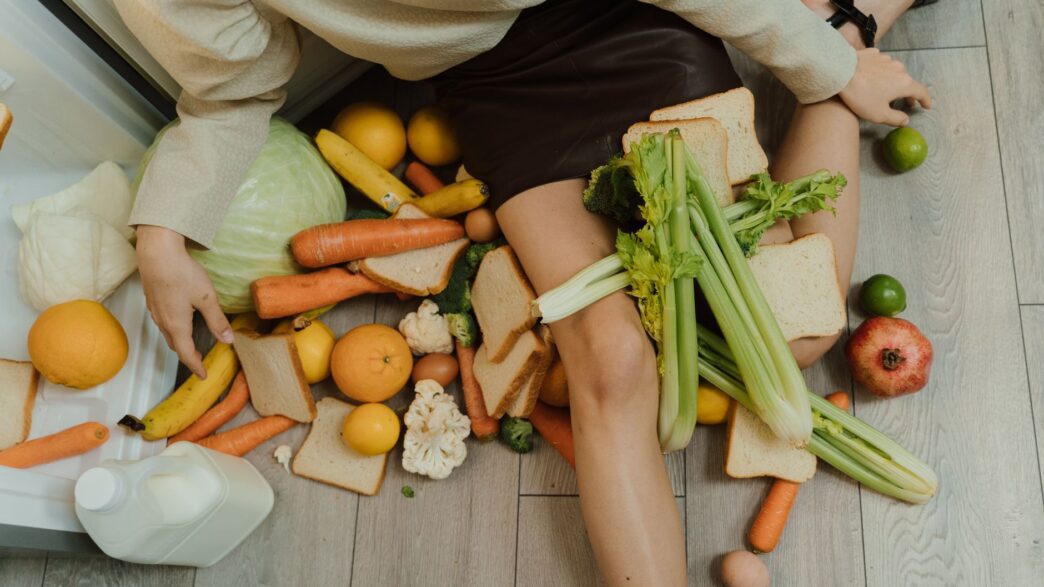
Here’s an uncomfortable thought to have while you’re scraping a container of forgotten leftovers into the trash: you just threw away cash. Not metaphorically. Real dollars that came out of your paycheck, went to the grocery store, and are now heading to a landfill. And if you’re anything like the average American household, you’re doing it over and over again, week after week.
The numbers are genuinely startling. According to the U.S. Environmental Protection Agency, the food an average person buys and never eats costs about $728 per year. Scale that up to a family of four and the USDA’s frequently cited estimate lands around $1,500 annually — and because that figure is based on older price data, the real number today is almost certainly higher after years of grocery inflation. Either way, we’re talking about one of the biggest, most fixable leaks in the typical family budget. You don’t have to clip a single coupon to plug it. You just have to stop wasting what you already bought.
Why We Waste So Much Food Without Noticing
Food waste is sneaky because it never shows up as a line item. Nobody hands you a receipt at the end of the month that says “wilted spinach: $4.99, moldy bread: $3.49, mystery leftovers: $11.” It disappears quietly, a little at a time, which is exactly why it’s so easy to ignore.
Most of it comes down to a handful of ordinary habits. We overbuy at the store because everything looks good when we’re hungry or shopping without a plan. We stash produce in the fridge and forget it exists until it’s a science experiment. We cook too much, promise ourselves we’ll eat the leftovers, and then order takeout instead. And we treat the “best by” date on the package like a hard deadline, tossing perfectly good food out of an abundance of caution.
That last one deserves special attention, because it might be costing you more than any other habit. Most date labels on food have nothing to do with safety. According to the USDA, with the exception of infant formula, those dates are manufacturer suggestions for peak quality, not expiration warnings. A carton of eggs is typically fine for three to five weeks past the printed date if it’s been refrigerated properly. Yogurt, milk, and many packaged goods last well beyond their labels too. When you learn to trust your eyes and nose instead of the calendar, you stop throwing out food that was never actually bad.
Shop With a Plan and Your Bill Drops Immediately
The single most effective thing you can do is stop shopping blind. When you walk into a store without a list and a rough plan for the week, you buy based on impulse and optimism — the big bag of salad greens you’re sure you’ll eat, the three peppers on sale, the rotisserie chicken you already have a version of at home. Half of it ends up forgotten.
Before you shop, take five minutes to actually look at what’s already in your fridge, freezer, and pantry. Build a few meals around what needs to be used up first, then write a list for the gaps and stick to it. This isn’t complicated meal planning with a color-coded spreadsheet. It’s just refusing to buy your seventh jar of mustard while a head of cabbage rots in the crisper drawer.
It also helps to shop a little more often and buy a little less each time. Big once-a-month hauls feel efficient, but fresh food doesn’t care about your schedule — produce, dairy, and meat all have a clock running the moment you get them home. Buying closer to when you’ll actually eat something means far less of it dies in the fridge.
Store Food the Right Way and It Lasts Twice as Long
A huge amount of waste is really just a storage problem. Herbs go slimy in a day, berries fuzz over almost overnight, and bread turns to a brick — but a lot of that is avoidable with small tweaks.
Keep berries dry and unwashed until you’re ready to eat them, because moisture is what invites mold. Stand leafy herbs like cilantro and parsley in a glass of water like a little bouquet, loosely covered, and they’ll stay perky for a week or more. Store onions and potatoes in a cool, dark spot but keep them apart, since they make each other spoil faster. And your freezer is the most underused money-saving appliance in your kitchen. Bread, shredded cheese, cooked rice, ripe bananas headed for smoothies, and even that half-bag of spinach you won’t finish can all go in the freezer instead of the garbage. Learning your fridge’s cold zones and using them on purpose can genuinely double how long things last.
Cook What You Have Before You Buy More
Adopt a loose rule that before you plan anything new, you cook what’s already on hand. Restaurants call this “first in, first out” and it’s why professional kitchens waste so little. At home it might mean a “clean out the fridge” stir-fry, soup, or frittata once a week — a low-effort meal designed specifically to rescue the odds and ends before they turn. A single weekly meal built around leftovers and about-to-turn produce can save you a full trip’s worth of ingredients over the course of a month.
Leftovers deserve a better fate than a slow death at the back of the fridge, too. Portion them into clear containers where you can actually see them, keep them at eye level, and treat them as tomorrow’s lunch instead of a vague someday. If you know you won’t get to something in a couple of days, freeze it right away while it’s still good.
Turn What You Save Into Something That Grows
Here’s where this stops being about guilt and starts being about building wealth, however modestly. Say you trim your food waste by even $100 a month — a very reachable target for most households once they get intentional about it. That’s $1,200 a year that used to vanish into the trash.
Instead of letting that money get reabsorbed into everyday spending, give it a job. If you move that $100 a month into a high-yield savings account, you’re not only keeping the money, you’re growing it. While the national average savings account pays a dismal 0.38% according to recent Bankrate data, the best online high-yield savings accounts are paying around 4% or more as of mid-2026. Park your reclaimed grocery money there and it quietly compounds into a real emergency cushion or vacation fund — money that started as wilted lettuce you decided not to buy.
That’s the mindset shift worth holding onto. Cutting food waste isn’t about eating sad meals or obsessively tracking every carrot. It’s about noticing that the leak exists, closing it with a few easy habits, and redirecting the savings toward something you actually care about. The trash can is the worst possible place to store your money. Almost anywhere else is an upgrade.
Small Changes, Real Money
You don’t need to overhaul your entire life to make a dent in this. Shop with a quick plan, trust your senses over the date label, store food so it survives, cook what you’ve got before buying more, and move the savings somewhere it can grow. Do just a few of those consistently and the hundreds of dollars you were quietly tossing every year start landing back in your pocket instead. For a habit that costs nothing to build, that’s about as good a return as your grocery budget will ever get.