






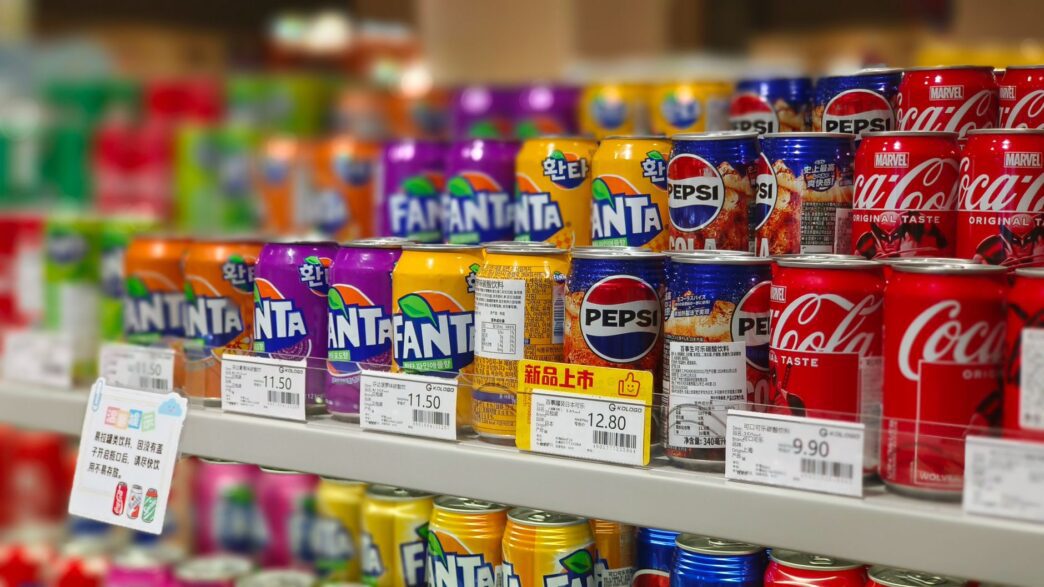
There’s a number hiding on almost every grocery shelf tag, usually printed small and off to the side, that quietly does the hardest math in the store for you. Most of us walk right past it. We grab the box that looks like a deal, or the bigger package because “bigger is always cheaper,” or the brand with the yellow sale sticker slapped across the front. Meanwhile that little number — the unit price — is sitting there telling us exactly which option costs the least per ounce, per pound, or per roll. Learning to read it is one of the closest things there is to a free raise at the checkout line, and in 2026 it matters more than it has in years.
Here’s why the timing is good. Grocery prices are still climbing, just more quietly than they were during the worst of the inflation spikes. According to the USDA’s Food Price Outlook, food-at-home prices in May 2026 were 2.7% higher than a year earlier, and the agency expects grocery prices to rise about 2.8% across all of 2026 — a hair above the 20-year historical average of 2.6%. That doesn’t sound dramatic until you remember it’s stacking on top of every increase that came before it. Some categories are far worse: fresh tomatoes were up a staggering 32% year over year, and candy and chocolate have jumped more than 9%, partly thanks to tariffs and rough cocoa harvests. When the whole store is drifting upward, the smartest move isn’t to shop less — it’s to shop sharper. Unit pricing is how you do that.
What Unit Pricing Actually Is
The unit price is the cost of a product broken down to a standard measure so you can compare apples to apples — or, more usefully, one brand of peanut butter to another. Instead of only showing you that a jar costs $4.29, the shelf tag also tells you it costs, say, 26.8 cents per ounce. The jar next to it might be $3.99 but work out to 31.2 cents per ounce because it holds less. The cheaper-looking jar is actually the more expensive peanut butter. Without the unit price, you’d never catch that.
Most states require grocers to post unit pricing, though the rules vary and enforcement is spotty, so the format isn’t always consistent from store to store. You’ll usually find it in the corner of the price tag on the shelf edge, printed in smaller type than the retail price. Sometimes it’s cost per ounce, sometimes per pound, per 100 sheets, per load of laundry, or per fluid ounce. The one catch to watch for is that stores don’t always use the same unit for competing products — one tag might show price per ounce and the neighbor might show price per quart — so occasionally you have to do a quick mental conversion or just tap it into your phone’s calculator. Annoying, but it takes ten seconds and can save real money.
Why Bigger Isn’t Always Cheaper Anymore
For decades the rule of thumb was simple: buy the biggest size and pay less per unit. That’s still true a lot of the time, but it’s no longer safe to assume. Retailers have gotten clever about pricing, and they know shoppers expect the family size to be the bargain. So sometimes the mid-size package is the best value, and occasionally the “value” size is quietly the worst deal on the shelf. The only way to know is to check the number rather than trust the size.
This is also where shrinkflation trips people up. When manufacturers shrink a package — dropping a cereal box from 18 ounces to 15.5 while keeping the price the same — the box looks identical on the shelf. The retail price didn’t move, so your brain files it as “same as always.” But the unit price jumped, and it’s the only place on the tag that reveals the change. Consumer advocates and outlets like NerdWallet have pointed out that watching cost-per-unit is one of the few reliable ways to catch shrinkflation in the act. If your favorite snack suddenly costs more per ounce than it did last month even though the sticker price held steady, you’ve just spotted it.
The Coupon and Sale Trap
Here’s the part that surprises people. A coupon or a bright sale tag can make a product feel like a win while the unit price says otherwise. A name-brand pasta sauce on sale for $2.50 with a 50-cent coupon still might cost more per ounce than the store brand sitting quietly beside it at $1.89 in a slightly larger jar. The discount is real, but the baseline was inflated, so you’re “saving” your way into paying more than you had to.
None of this means coupons are useless — stacking a coupon on top of an item that already has the lowest unit price is genuinely the best of both worlds. The National Council on Aging lists comparing unit prices right alongside clipping coupons and joining loyalty programs as core strategies for beating rising food costs. The point is just to check the unit price first, then let the coupon sweeten a deal that was already good, rather than letting the coupon talk you into a deal that wasn’t.
Where Unit Pricing Pays Off the Most
Some aisles reward this habit more than others. Anything you buy repeatedly and in volume — rice, pasta, canned beans, coffee, cooking oil, paper towels, trash bags, laundry detergent, pet food — is where a few cents per unit compounds into real money over a year. Canned legumes, by the way, are one of the best protein values in the entire store right now, and their unit price makes that obvious the moment you look. Fresh fruit has also held up better than most categories, rising only about 2.1% over the past year, which is below overall grocery inflation, so it’s another spot where careful per-pound shopping stretches your dollar further than you’d expect.
Cleaning and paper products deserve special attention because that’s where packaging games run wild. “Mega” rolls, “double” rolls, and “family” packs all use different baselines, and the per-100-sheet or per-load number is often the only honest comparison available. The same goes for anything sold in both liquid and powder or concentrated and regular form — the unit price cuts through all of it.
Turning the Savings Into Something Real
The trick with grocery savings is that they’re invisible unless you capture them. Shaving 15% off a $700 monthly grocery bill by consistently buying the lowest unit price is over $1,200 a year, but only if that money goes somewhere instead of quietly getting absorbed back into everyday spending. One simple move is to round your grocery budget up to what you used to spend and automatically send the difference into a separate savings account — ideally a high-yield savings account, where top rates in July 2026 are still hovering around 4% APY according to Bankrate, versus the national average of just 0.38%. That way the pennies you win on cost-per-ounce actually accumulate into an emergency cushion or a vacation fund instead of evaporating.
You don’t have to turn every grocery trip into a spreadsheet exercise. Start with the ten or so items you buy most often, learn what a good unit price looks like for each, and let the habit do the rest. Once your eye is trained to drop to that little number in the corner of the tag, you’ll never quite trust a sale sticker at face value again — and your receipt will be quietly, steadily smaller for it.