






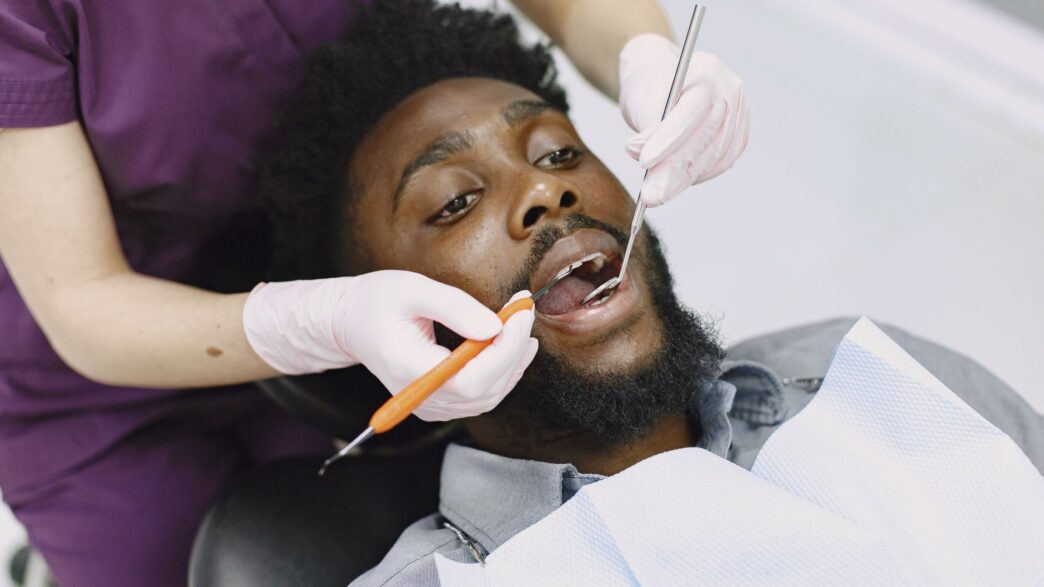
If you’ve ever put off a dental visit because you dreaded the bill more than the drill, you’re in good company. Roughly 27% of American adults — somewhere around 72 million people — don’t have dental insurance, according to the CareQuest Institute for Oral Health. And even plenty of folks who do carry a plan discover the hard way that it caps out around $1,500 a year, which barely covers a crown. So whether you’ve aged off a parent’s plan, work a gig job with no benefits, or just decided the monthly premium wasn’t worth it, the good news is that skipping insurance doesn’t have to mean skipping the dentist. You just have to shop a little smarter.
Let me walk you through the moves that actually move the needle, because paying cash gives you more leverage than most people realize.
Know What Things Actually Cost First
The single biggest mistake uninsured patients make is walking in blind. Dental prices swing wildly, and when you don’t know the going rate, you can’t tell whether you’re getting a fair deal. A routine cleaning and exam with X-rays averages around $200 nationally, though a straightforward cleaning alone often runs $75 to $160. A basic filling lands somewhere between $100 and $600 depending on size and material. And a crown? That’s the one that makes people gasp — anywhere from $500 to $3,500, with porcelain-fused-to-metal crowns averaging around $1,100 and all-ceramic ones closer to $1,300, per cost data compiled by GoodRx.
Once you know those ranges, you can call two or three offices in your area and simply ask what they charge for the specific procedure you need. Prices vary enough between a downtown practice and one two suburbs over that a few phone calls can save you hundreds. Nobody will think you’re rude for asking — cash-pay patients do it constantly.
Ask for the Cash Discount (Yes, It’s Real)
Here’s something dentists rarely advertise: many of them offer a discount when you pay in full at the time of service, often 5% to 15% off. Insurance billing is a paperwork headache for the office, and cash in hand today beats chasing a claim for weeks. So when you get a quote, ask directly whether there’s a discount for paying upfront or in cash. If you’re facing a big-ticket treatment plan, ask whether they’ll knock something off for paying the whole thing at once versus financing it.
And don’t be shy about negotiating the bill itself, especially for major work. The Consumer Financial Protection Bureau has long encouraged consumers to negotiate medical and dental costs, and dental billing departments are often willing to set up an interest-free payment plan or trim the total for patients who explain their situation. The worst they can say is no, and you’ll be surprised how often they say yes.
Consider a Dental Savings Plan Instead of Insurance
If you expect to need more than a couple of cleanings this year, a dental savings plan — sometimes called a dental discount plan — is worth a serious look. These aren’t insurance. You pay an annual membership fee, usually somewhere in the $100 to $150 range (some start as low as $7 a month billed annually), and in exchange you get access to pre-negotiated rates at participating dentists.
The savings are genuinely meaningful. Members typically see 10% to 60% off standard fees, with an average reported savings around 50%, according to Cigna. That crown that would’ve cost $1,000 to $1,800 might run $400 to $700 with a plan. And unlike traditional insurance, there are no annual maximums, no waiting periods, and no claims to file — you can use the plan the day you sign up. For someone facing a root canal or a couple of fillings, the membership fee pays for itself on the first visit. The one catch: you have to use a dentist in the plan’s network, so confirm your preferred office participates before you buy.
Use Pre-Tax Dollars If You Can
If you have access to a Health Savings Account or a Flexible Spending Account, dental care is one of the smartest ways to use it. Both let you pay for cleanings, fillings, crowns, root canals, and even orthodontia with pre-tax money — which effectively hands you a 20% to 35% discount depending on your tax bracket, as Humana points out.
An HSA, available if you’re on a high-deductible health plan, is the stronger of the two: contributions are tax-deductible, the money grows tax-free, and it rolls over year after year and stays yours even if you switch jobs. In 2026 you can put in up to $4,400 for individual coverage or $8,750 for a family. An FSA, offered through many employers, carries a 2026 limit of around $3,400 but comes with a use-it-or-lose-it rule, so don’t overfund it. If you know a big dental expense is coming, timing it to a year you’ve stocked your FSA is a quietly powerful way to shave off a third of the cost.
Look Into Dental Schools and Community Clinics
This is the option people overlook the most, and it can be the cheapest of all. Dental schools need patients for their students to treat, so they offer care at steep discounts — often 30% to 50% below private-practice prices — with licensed faculty supervising every step. Yes, appointments take longer because it’s a teaching environment, but the quality is high and the savings are real. A quick search for a dental school near you is worth the effort for anything expensive.
Community health centers are the other safety net. Many offer dental services on a sliding fee scale tied to your income and household size, which can bring the cost of a cleaning or filling down to a fraction of the sticker price. The federal Health Resources and Services Administration keeps a searchable directory of these centers, and they’re built specifically to serve people without robust coverage.
Don’t Skip the Cleanings to Save
Here’s the counterintuitive truth that ties all of this together: the most expensive dental care is the care you avoid. A $150 cleaning twice a year is nothing compared to the $1,300 crown or $1,000 root canal you’ll need if a small cavity turns into a big problem. Preventive care is where the real savings live, which is exactly why the American Dental Association’s Health Policy Institute keeps sounding the alarm about the coverage gap — untreated problems don’t stay small.
So build the routine visits into your budget the same way you would any recurring expense. If cash flow is tight, a dedicated savings bucket for dental costs — even $20 or $25 a month tucked into a separate high-yield savings account — means the money is waiting when you need it, and you’re not reaching for a credit card at 24% interest to cover a filling. Stretching your dollar at the dentist isn’t about toughing it out and hoping for the best. It’s about knowing your options, asking the right questions, and paying on your own terms.