







Nobody is thinking about their furnace in August. That is exactly why August is the smartest month to deal with it.
Home energy work is one of the few household expenses where timing genuinely changes the price you pay. Insulation crews, HVAC technicians, and window installers are busiest when the weather is extreme — the first cold snap in October, the first heat wave in June. In the shoulder weeks of late summer, their calendars have holes in them. That is when you have leverage on scheduling, and often on price. And unlike most “save money” advice, weatherizing pays you back every single month for years, not once.
There is also a new reason to plan carefully this year. The federal tax credit that used to soften the cost of this work is gone, which changes the math on what is worth doing and where the money should come from.
The federal credit that used to cover this expired
For several years, the Section 25C Energy Efficient Home Improvement Credit gave homeowners a 30% credit on qualifying insulation, air sealing, doors, windows, heat pumps, and water heaters, capped at $1,200 to $2,000 a year depending on the project. That credit was terminated by the budget legislation signed in July 2025, and it expired for anything installed after December 31, 2025.
So if you install insulation this fall, there is no federal credit waiting for you at tax time. That is a real change, and it is worth knowing before a contractor quotes you a number that assumes a discount that no longer exists. Some sales pitches have not caught up. If someone tells you “you’ll get 30% back from the IRS,” that is outdated information for a 2026 installation.
The one exception worth checking: if you had qualifying work done in 2025 and have not filed for it, the credit still applies to that installation year, claimed on IRS Form 5695. Dig through last year’s receipts before you write it off.
State and utility rebates are now doing the heavy lifting
The federal credit disappearing does not mean the money is gone. It means it moved. State energy offices and utility efficiency programs are still funding this work, and in several states the offers are more generous than the federal credit ever was.
Massachusetts residents working through Mass Save can get 75% to 100% off approved insulation and air sealing improvements, with enhanced offers for households under certain income thresholds. New York’s programs offer roughly $2,500 to $3,000 in rebates for air sealing and insulation packages for people who do not qualify for the deeper income-based EmPower+ program. Similar programs exist in most states, funded through a small charge that already appears on your utility bill — which means if you never claim them, you are paying for a benefit you are not using.
The catch is that these programs almost always require a pre-approved contractor and, usually, an energy assessment before work begins. That assessment takes time to schedule. In October, when everyone remembers winter is coming, the wait can stretch for weeks. In August, you can often get on the calendar within days. Start with your utility’s website and search for “home energy assessment” — most offer them free.
What actually moves the needle
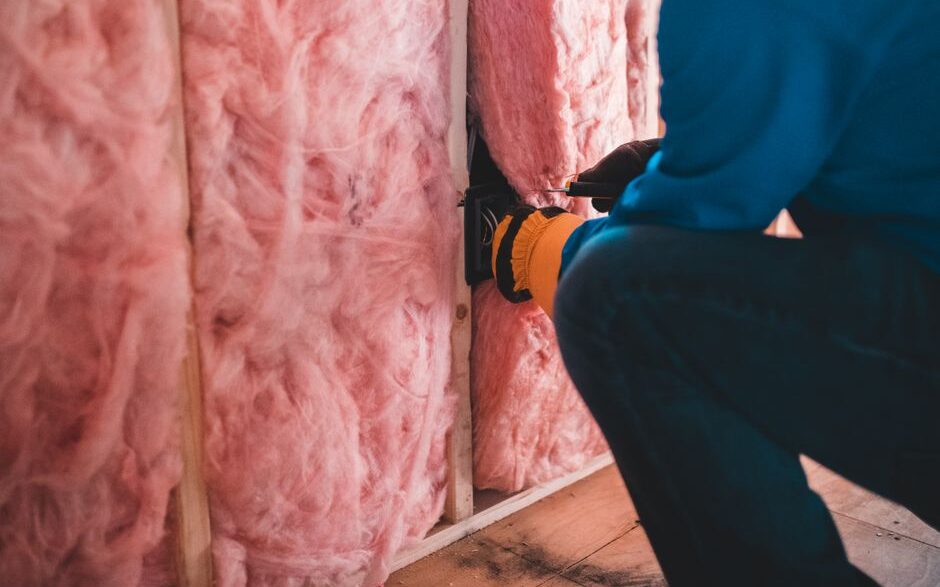
The ENERGY STAR program estimates that homeowners save an average of 15% on heating and cooling costs — roughly 11% of total energy costs — by air sealing and adding insulation in attics, floors over crawl spaces, and accessible basement rim joists. Some homes, particularly older ones, see closer to 20%.
Those percentages sound modest until you attach them to a real number. If you spend $200 a month on heating and cooling across the year, a 15% cut is $360 annually. Over the ten-year life of the work, that is $3,600 — and utility rates have historically gone up, not down, which means the savings grow.
Notice what is at the top of that list: air sealing, not windows. Sealing gaps around attic hatches, recessed lights, plumbing penetrations, and rim joists is by far the cheapest work per dollar of savings. Window replacement gets the marketing budget because it is a $15,000 job, but ENERGY STAR puts the savings from swapping single-pane windows for efficient ones at up to 13% of energy bills — comparable to air sealing, at ten or twenty times the cost. If a contractor leads with windows before mentioning your attic, get another quote.
The furnace tune-up nobody schedules in August
Annual heating system maintenance is the least glamorous line item in this entire article and probably the one with the highest return on a Saturday morning phone call.
A dirty filter and a poorly tuned burner make your system run longer to hit the same temperature, which burns fuel you are paying for. More importantly, tune-ups catch the small failures that turn into a $6,000 emergency replacement in January. HVAC companies charge premium emergency rates when it is 15 degrees out and their phone is ringing off the hook. In August they are quiet, and many run off-season maintenance specials specifically to fill the gap.
While you are at it, change the filter yourself and put a recurring reminder on your phone. A $15 filter changed every three months does more for your energy bill than most of the gadgets marketed as energy savers.
Where to park the money before you spend it
Here is the part most energy-savings articles skip. If you are planning a $2,000 insulation job for October, that money should not sit in your checking account earning nothing, and it definitely should not go on a credit card at 20-plus percent interest — which would wipe out three or four years of energy savings before you made a dent in the balance.
Open a separate high-yield savings account and label it for the project. Move the money there now, let it earn interest for the two months before the work happens, and pay the contractor from it. It is a small thing, but it is the difference between a home improvement that pays you back and one that costs you more than it saves. Bankrate and NerdWallet both track current rates, and the top online accounts have been paying meaningfully more than the national average.
If you are financing part of the job, check whether your utility offers an on-bill financing or zero-interest loan program before you reach for a credit card. Many do, and the terms are usually far better than anything a contractor’s financing partner will offer you at the kitchen table.
A realistic August checklist
You do not need to do all of this. Pick the two or three items that fit your house and your budget.
Call your utility and book a free home energy assessment — this is the gateway to most rebate programs and it costs nothing. Schedule a heating system tune-up while rates are soft. Walk your attic with a flashlight and look for daylight around the hatch, chimney chase, and light fixtures. Check whether your attic insulation is level with or below the ceiling joists, which usually means you are under-insulated. Feel around exterior doors and older windows on a windy day for obvious drafts, and pick up weatherstripping and a caulk gun for under $40. Finally, look up your state’s energy office rebate page and write down what is currently offered, because these programs change funding levels year to year.
The work is unglamorous and the payoff arrives quietly, twelve monthly bills at a time. But it is one of the rare household expenses that keeps refunding itself long after you have forgotten you spent the money — and doing it in August instead of October is free money on top of that.