







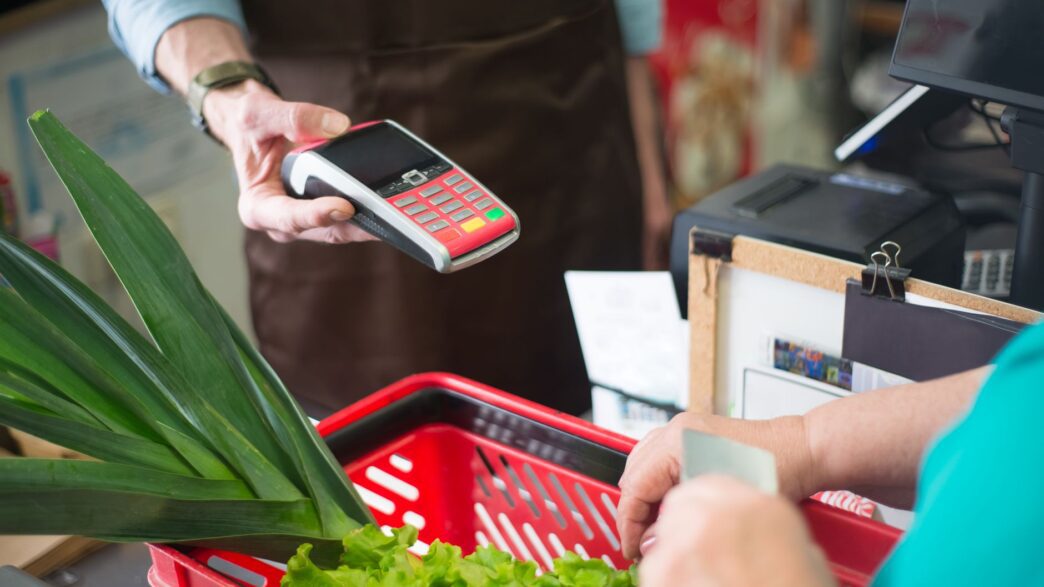
If you’ve stood at a grocery checkout lately and watched the total drop ten dollars the moment you typed in your phone number, you already know the deal store loyalty programs are offering: scan the card, get the price. Skip it, pay more. It can feel less like a reward and more like a toll. But these programs are also one of the easiest ways to claw back a few dollars on spending you were going to do anyway, and in 2026 that matters more than ever. Food costs are still eating a big chunk of the typical household budget — the average American spends roughly $504 a month on food, according to Bureau of Labor Statistics data — so any tool that shaves even five percent off the grocery run is worth a serious look.
The catch is that loyalty programs have quietly become two-way streets. You’re not just earning points; you’re handing over a detailed map of how you spend. Whether these programs are “worth it” depends entirely on how you use them and how comfortable you are with that trade. Let’s break down where the real money is, where the gimmicks hide, and how to come out ahead.
Why Everyone’s Suddenly Carrying Five Loyalty Apps
Loyalty programs aren’t new, but participation has surged as prices climbed. Grocery and supermarket programs now see higher enrollment than loyalty schemes in almost any other category, simply because food is the one budget line nobody can skip. When Statista tracks where shoppers sign up, supermarkets sit right at the top.
The behavioral shift is real. Surveys show that 74% of consumers have traded down in at least one product category to save money, and 62% now say affordability matters more than brand names. Loyalty programs feed directly into that instinct, because they let you keep buying familiar products while quietly knocking the price down through member-only deals. Food Lion’s Shop & Earn program, for example, crossed a million active users in 2025 and held those numbers into 2026 — a sign that shoppers are sticking with these tools, not just signing up and forgetting them.
What’s changed most is the technology behind them. Programs in 2026 lean heavily on mobile apps that use purchasing history to serve up “personalized” offers. When shoppers say what they want most from a loyalty app, the top answers are exclusive deals (61%), real-time point tracking (52%), and an app that’s actually easy to use (49%). The stores have heard that, which is why your supermarket’s app probably greets you with coupons for the exact items you buy every week.
Where the Real Savings Actually Live
Not all loyalty perks are created equal, and the difference between a great program and a pointless one usually comes down to whether the savings are automatic and immediate or buried behind hoops.
The strongest value tends to show up in three places. First, automatic member pricing — the lower shelf tag you get just for scanning — is genuine savings with zero effort, and it’s the single biggest reason to bother enrolling. Second, fuel rewards programs, like those at Kroger or Safeway, convert grocery spending into cents-off-per-gallon at the pump, which can add up to real money if you’re filling a tank every week. Third, the digital coupon clip-and-load features let you stack store discounts on top of sales, and as SoFi notes, these rewards often apply automatically at checkout once they’re loaded to your account.
Where programs get weak is in points-for-points-sake systems that require you to accumulate hundreds of dollars in spending before unlocking a token reward, or “rewards” that nudge you to buy pricier items you wouldn’t have chosen otherwise. The trick to coming out ahead is treating loyalty programs as a discount on your existing list — never as a reason to add to it. A coupon for a product you didn’t need isn’t a savings; it’s a sale the store made.
The Hidden Price: Your Data Is the Real Currency
Here’s the part the cheerful app onboarding screen won’t mention. When the membership price is dramatically lower than the regular price, you’re not getting a gift — you’re paying with information, and that information is worth a fortune.
The numbers are eye-opening. A Consumer Reports investigation found that Kroger, one of the largest grocery chains in the country, earned more than $500 million selling shopper data between 2020 and 2024, and reporting suggests the figure for a single recent year topped $527 million. Some projections have that data business climbing toward $825 million, accounting for a meaningful slice of the company’s revenue. As CBS News and privacy researchers have pointed out, even when your name is stripped off, the combination of purchase history, in-store movement, and demographic profiling is enormously valuable to data brokers.
It gets stickier. Some retailers use loyalty data to build profiles that estimate your income and education, and there’s growing concern that this fuels personalized pricing — where the “best” deals quietly get steered toward shoppers a company perceives as wealthier. A Stateline report found that several states moved in 2026 to crack down on these surveillance-pricing practices, after investigations showed algorithms charging different customers different amounts for the same item. None of this means you should swear off loyalty cards. It means you should treat them with clear eyes: you’re making a trade, and you deserve to know the terms.
How to Win the Loyalty Game in 2026
The smart move isn’t to boycott these programs or to chase every one of them. It’s to be deliberate. Enroll in the two or three stores you actually shop at most, because spreading yourself across a dozen apps just guarantees you’ll forget half your points before they’re worth anything. Always load the digital coupons before you go — that two-minute habit is often where the biggest member discounts hide. And lean hardest on the perks that pay out in cash or fuel rather than the ones that pay out in more points.
On the privacy side, you have more control than you think. Use a secondary email for loyalty signups to keep the marketing blast out of your main inbox, and check whether your state now lets you opt out of data sales — a right that’s expanding fast. Some shoppers go further and use a store loyalty number tied to a phone number they reserve just for that purpose. None of this is about paranoia; it’s about getting the discount without volunteering more than you have to.
Finally, remember that loyalty savings work best as one layer in a broader plan, not the whole strategy. The dollars you save at the register are most powerful when they actually land somewhere — automatically swept into a high-yield savings account or applied to a sinking fund for a known expense — rather than evaporating back into the next shopping trip. A loyalty program can trim your grocery bill by a noticeable margin over a year, but only you can decide where that recovered money goes.
So, are store loyalty programs worth it in 2026? For most households, yes — as long as you use them for automatic discounts on things you’d buy anyway, stay skeptical of offers designed to make you spend more, and stay aware that your shopping data is the currency funding those deals. Used that way, they’re a low-effort win. Used carelessly, they’re just a very efficient way for a retailer to learn everything about you while you congratulate yourself on saving four dollars.