



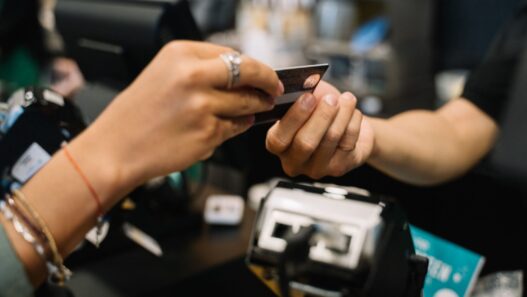



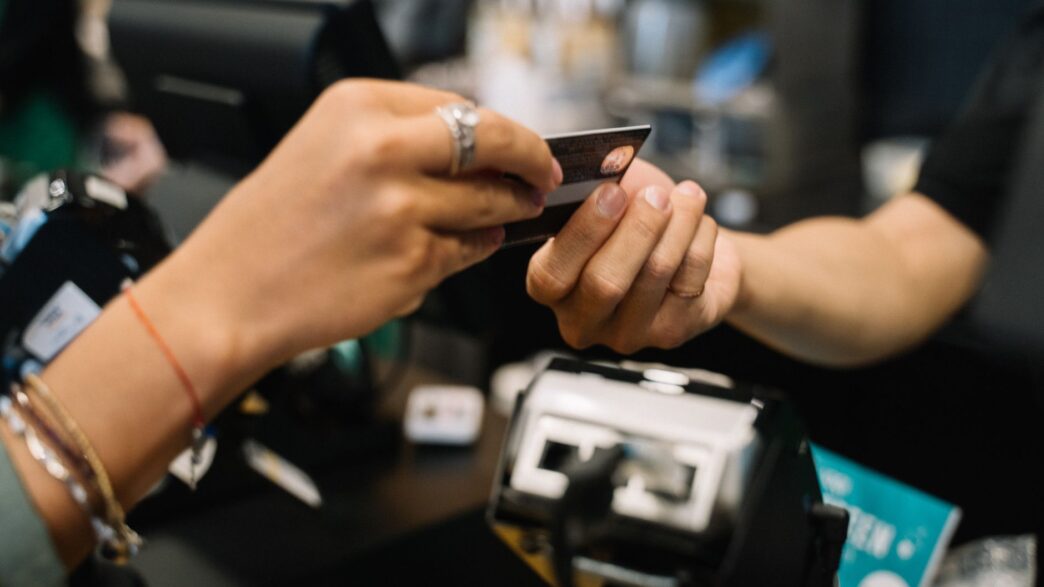
You know the moment. The line at the register is twelve people deep, your cart is heavier than you planned, and the cashier leans in: “Want to save 20% on all of this today? It takes two minutes to sign up.” On Black Friday that pitch lands harder than any other week of the year, because the cart is bigger and the discount looks bigger with it.
Sometimes saying yes is fine. Often it isn’t. The difference comes down to one number most people never ask about at the register, and one habit you either have or you don’t.
The rate on the other side of that discount
Bankrate’s most recent retail card study looked at 110 store and co-branded cards and found an average APR of 30.14%. That’s down a hair from 30.45% the year before, but it’s still the second-highest average Bankrate and CreditCards.com have recorded since they started tracking in 2008. For comparison, the average general-purpose credit card sat at 20.12% when Bankrate ran the numbers. Store cards cost nearly one and a half times as much to carry.
It gets worse at the top of the range. Thirteen cards in the study charged 35.99%, including the cards at Saks, Burlington, Michaels, Zales and Kay Jewelers. Store-only cards (the kind that work at just one retailer) averaged 31.64%, while co-branded cards that run on Visa or Mastercard averaged 28.65%. You can read the full breakdown in Bankrate’s retail card study.
None of that matters if you pay the bill in full. All of it matters if you don’t.
Running the actual math on a $500 cart
Say you’re buying $500 worth of gifts and the store offers 20% off your first purchase for opening the card. You save $100 on the spot and owe $400. Here’s how that plays out depending on what you do next, using Bankrate’s 30.14% average APR.
Pay the $400 in full when the first statement arrives and you keep the whole $100. Clean win.
Spread it over six months and you pay about $36 in interest. You still come out roughly $64 ahead.
Stretch it to twelve months and the interest climbs to about $68. Your $100 discount has shrunk to $32.
Pay $25 a month, which feels manageable in January when everything else is due too, and it takes 21 months to clear the balance. Interest comes to about $118. At that point you’ve paid more in interest than the discount saved you, and the gifts cost you $18 more than if you’d just paid full price with a debit card.
That last scenario is the one retailers are counting on. The discount is a one-time cost to them. The interest keeps coming.
Deferred interest is the bigger trap
Many store cards also push “no interest if paid in full in 12 months” deals on furniture, appliances, and electronics. That sounds like a 0% APR card. It works very differently.
With a true 0% intro APR, interest starts on whatever balance is left after the promo ends. With deferred interest, the store tracks interest from day one in the background. If you have even a single dollar left when the clock runs out, the issuer can charge you all of that interest retroactively, back to the original purchase date. Bankrate notes these deferred-interest promotions are much more common on retail cards than on general-purpose ones.
SuperMoney ran an example that shows how ugly this gets: a $4,500 sofa on a 12-month deferred plan at 31.99%, with $180 still unpaid at the deadline. The back-charged interest comes to about $806. A small leftover balance turns into nearly a thousand dollars owed. SuperMoney’s suggestion is to divide the price by the number of promo months minus one, so a 12-month plan gets paid off in 11. On that sofa that’s about $410 a month, which is a useful gut check on whether you can really afford it.
Who should say yes at the register
I’ll be fair to store cards here, because they aren’t all bad. If you shop at one place often, pay every statement in full, and would use the ongoing perks (Target’s 5% or free shipping, for example), a store card can save real money year after year. The upfront discount is a bonus on top.
The people who get burned tend to fall into a few groups. Some open the card for a single purchase, forget about it, and miss the first bill because it arrives by mail to an address they don’t check, or goes to an email account they ignore. Store-card late fees are a big part of what these cards earn: SuperMoney, citing CFPB research, reports late fees make up about 25% of all interest and fees charged on store cards, versus 7% on general-purpose cards. Others open three cards across three stores on the same weekend and end up juggling three due dates in January.
Interest in these cards has been fading for a while. Equifax data cited by Bankrate shows only 16.8 million store-only cards were opened in 2024, down from a peak of 44.3 million in 2015. LendingTree’s holiday survey found 27% of Americans said they were likely to apply for one during the 2023 season, the lowest share since 2018. Plenty of shoppers have already done this math.
A few questions to ask before you sign
Before you hand over your Social Security number at the register, ask the cashier (or check the fine print on the screen) what the APR is. If it starts with a 3, treat the card as a cash-only tool: something you’ll pay off before interest ever kicks in.
Next, ask whether the discount applies to today’s whole purchase or has a cap. Some offers limit the savings to a set dollar amount, which can make a 20% headline much smaller in practice.
Then ask yourself, honestly, whether you’ll set up autopay for the full statement balance today. Not next week. Today, from the parking lot. If you will, the discount is probably worth taking. If you’re the type to “get to it later,” skip it. The 20% isn’t worth the risk.
Also remember that opening a new card means a hard credit inquiry. If you’re planning to apply for a car loan or mortgage in the next few months, a string of new store cards is the last thing you want on your report.
Where to put the money instead
If you’ve been building a holiday fund in a savings account, Black Friday is when it pays off. Paying with a debit card or cash from money you set aside means no interest, no due dates, and no January surprise. If you want rewards without the store card rates, a general-purpose cash-back card you already pay in full each month earns cash back on everything you buy, at every store, instead of a one-time discount at one shop.
And if the cart only works with a store card financing it, that’s worth noticing. Sometimes the best Black Friday deal is putting a couple of things back on the shelf.