





Back-to-school season has a way of sneaking up on your budget. You brace yourself for the backpacks, the sneakers, and the supply lists, and then somewhere around the second week of September you realize there’s another expense quietly humming along in the background: lunch. Five days a week, roughly 180 school days a year, every single kid needs to eat in the middle of the day. Whether you pack it or pay for it, that adds up to real money — and the pack-versus-buy question isn’t as simple as it used to be.
Here’s the surprising part: packing isn’t automatically cheaper anymore. Depending on where you live, what your district charges, and how you shop, buying the school lunch can sometimes be the frugal move. Let’s run the actual numbers so you can figure out which side of the lunch line your family belongs on this year.
What School Lunch Actually Costs Now
According to the School Nutrition Association, the average paid school lunch runs about $3.09, which works out to roughly $556 per student over a full school year. That’s the national average, though — your mileage varies a lot by region. Districts in the Southeast average around $2.92 per lunch, while families out West pay closer to $3.58. Price also climbs with grade level, from about $2.93 in elementary school to $3.21 by high school, so a family with a fifth grader and a junior isn’t paying the same rate twice.
Multiply that out for two kids and you’re looking at somewhere north of $1,100 a year in lunch money. That’s a vacation. That’s four months of groceries for some households. It’s worth ten minutes of math.
One more number that matters: if your household qualifies for reduced-price meals through the National School Lunch Program, your child pays no more than 40 cents for lunch and 30 cents for breakfast. And several states — including California, Minnesota, Michigan, and others — now offer free school meals to all students regardless of income. If you live in one of those states, the buy-versus-pack debate is over before it starts: a free hot lunch beats anything you can assemble at home for less than the cost of the bread.
The Real Cost of Packing a Lunch
Packing sounds cheap because the ingredients hide inside your regular grocery bill. But when researchers have actually priced it out, the results are closer than most parents expect. A cost comparison from Cornell’s Healthy Food Choices in Schools program found that a genuinely homemade packed lunch — sandwich made from bulk ingredients, fruit, a homemade snack — can come in around $1.55, comfortably beating the average school lunch price.
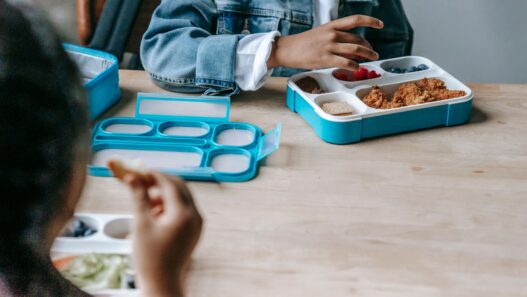
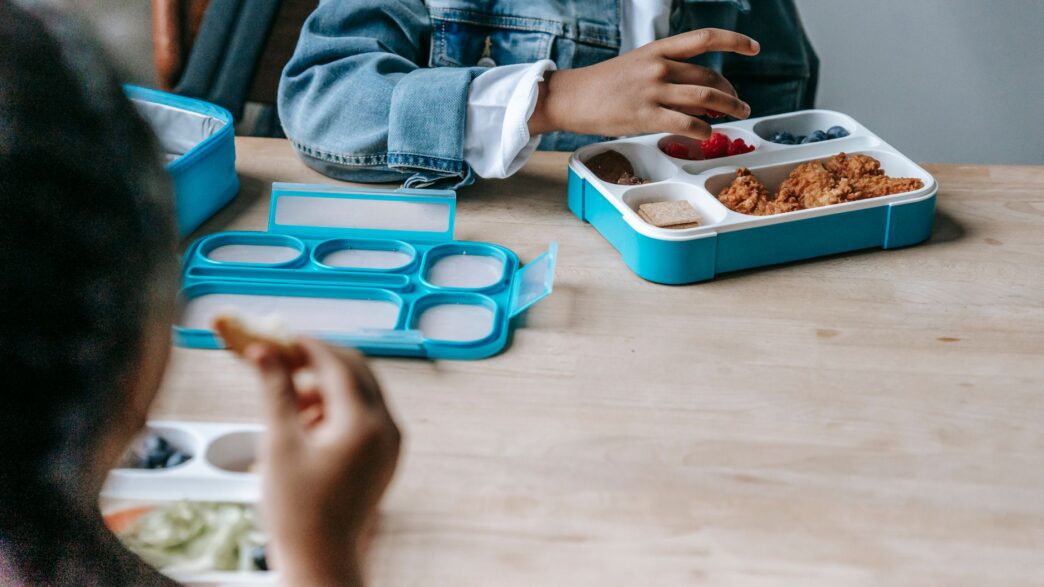
The catch is the word “homemade.” The moment your packed lunch becomes a collection of individually wrapped convenience items — the pouch of crackers, the squeezable yogurt, the juice box, the snack-size chips, the pre-portioned cookie pack — the per-lunch cost can quietly climb past $4 or even $5. At that point you’re paying more than the cafeteria charges and spending fifteen minutes every morning assembling it. Single-serve packaging is one of the most expensive ways to buy food, full stop. You’re paying the manufacturer to do your portioning, and the markup on that service is enormous.
So the honest answer to “is packing cheaper?” is: only if you pack like it’s 1995. Bread, peanut butter (or sunflower butter for nut-free schools), a piece of whole fruit, carrot sticks from a full bag, and a reusable water bottle. That lunch still crushes the cafeteria on price. The Pinterest-worthy bento box full of branded snack packs does not.
How to Make Packing Actually Cheap
If you’re going to pack, commit to the version that saves money. Buy the big bag of pretzels and portion it into reusable containers on Sunday night. Bake or batch-prep snacks once a week instead of buying them in single-serve sleeves. Build lunches around what’s already in your dinner rotation — leftover pasta in a thermos costs almost nothing and beats a soggy sandwich anyway. Plan around what’s on sale, and let your grocery store’s loyalty app or a cash-back debit card claw back a little extra on the food you were buying regardless.
The gear matters too, but only once. A decent insulated lunch bag, a couple of reusable containers, and an ice pack might run you $25 up front, then save you hundreds in packaging over the year. Skip the $40 designer bento system; your kid will lose it by October. (Budget for one replacement water bottle per semester. This is not pessimism, it’s experience.)
And do a monthly reality check: if you find yourself tossing uneaten packed lunches, that’s money in the trash. Kids famously eat the school pizza and abandon the lovingly prepared wrap. A wasted $2 lunch is more expensive than an eaten $3 one.
When Buying Is the Smarter Move
There are legit scenarios where the cafeteria wins. If your district’s lunch price sits near the low end — under $3 — and your realistic packed lunch involves any convenience foods, buying is probably cheaper once you count your time and food waste. If you qualify for free or reduced-price meals, buying wins by a landslide, and it’s worth filling out the application even if you’re not sure you qualify; the form takes minutes and eligibility thresholds are higher than many families assume. The USDA’s Food and Nutrition Service has details on how the program works, and your district’s website will have the application.
A hybrid approach works well for a lot of families: buy on the days the menu features something your kid will actually eat, pack on the days it doesn’t. Most districts publish monthly menus online, so you can plan your grocery list around it. Two bought lunches and three cheap packed lunches a week hits a sweet spot of cost, effort, and kid cooperation.
Put the Savings Somewhere Real
Whichever way you go, treat the difference like actual money — because it is. If switching from convenience-food packing to true homemade packing saves you $2 a day per kid, that’s about $360 per child over the school year. Set up an automatic weekly transfer of $7 or $10 into a high-yield savings account and let the lunch savings quietly become next summer’s camp fund or a head start on the holidays. Money you save but never move has a way of evaporating into the general grocery budget; money you move actually accumulates.
School lunch is one of those small, repeating expenses that rewards a one-time decision. Spend ten minutes this week checking your district’s lunch price, glancing at the free/reduced application, and honestly assessing what your packed lunches really cost. Then pick a lane, automate the savings, and don’t think about it again until June.