







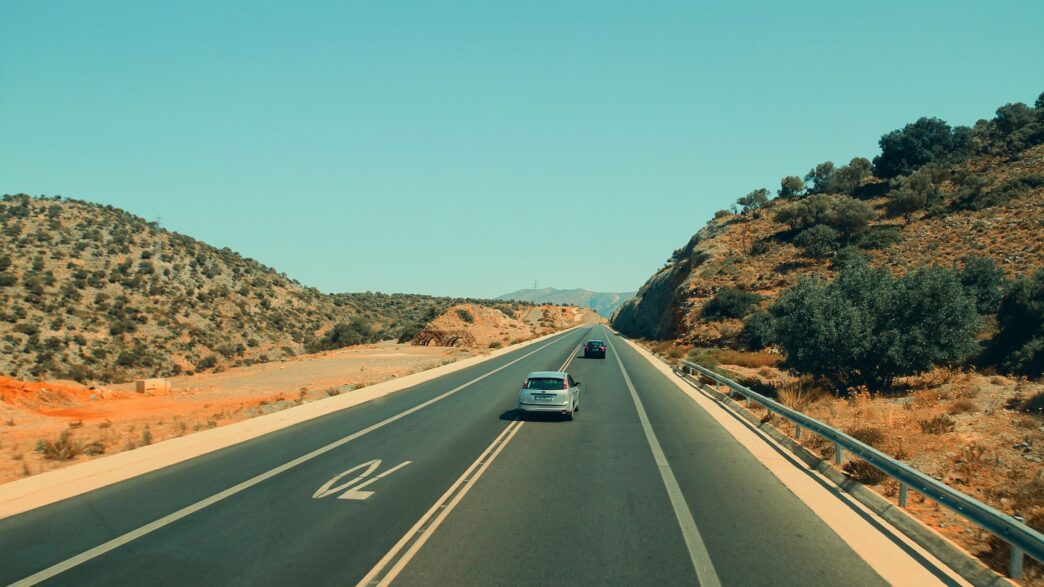
There’s a special kind of optimism that hits when you map out a summer road trip. The playlist, the snacks, the windows down. And then you fill up the tank and the optimism takes a hit. If you’ve pulled into a gas station lately and done a double take at the total, you’re not imagining it. After a couple of cheap years, fuel is expensive again, and that changes the math on the classic American road trip. The good news is that a road trip is still one of the most affordable ways to take a real vacation this summer, especially if you plan around the costs that quietly add up. Here’s how to keep the trip fun without watching your checking account drain mile by mile.
Start With the Real Number: Gas Is the Big Variable
Let’s deal with the elephant in the room first. As of mid-June 2026, AAA put the national average for regular gas at around $4.11 a gallon, and that figure had actually dropped nearly 20 cents in a single week. That’s the whiplash you’re feeling. Prices spiked earlier in the season on global supply worries, with GasBuddy forecasting one of the most expensive summers at the pump in years, then eased as the panic cooled. The takeaway isn’t to panic or to cancel the trip. It’s to budget realistically. Gas is more than a dollar a gallon higher than it was last summer, and that’s a real line item you should plan for rather than absorb by surprise on your credit card.
The first move is dead simple: figure out your fuel cost before you leave. Take the round-trip distance, divide by your car’s real-world miles per gallon, and multiply by something like $4.50 a gallon to give yourself a cushion. A 1,200-mile round trip in a car that gets 30 mpg burns about 40 gallons, or roughly $180 in fuel. Knowing that number ahead of time means you can set the money aside instead of treating gas as a series of unpleasant surprises. It also helps you decide honestly whether the far-flung destination is worth it, or whether somewhere three hours closer gets you 90 percent of the joy for half the fuel.
Squeeze More Out of Every Tank
Once you’re on the road, a few habits genuinely move the needle. Apps like GasBuddy and Upside will show you the cheapest stations along your route and offer cash back, and the price gap between a highway-exit station and one a mile down the road can be 30 or 40 cents a gallon. Filling up in the suburbs before you hit the interstate, rather than at the first pump you see when the light comes on, is free money.
Your right foot matters too. Hard acceleration and highway speeds above 70 mph crater your fuel economy, and the U.S. Department of Energy estimates that aggressive driving can lower gas mileage by roughly 15 to 30 percent at highway speeds. Setting cruise control, easing off the gas, and keeping your tires properly inflated can stretch a tank meaningfully over a long drive. None of this is glamorous, but on a 1,200-mile trip, a 10 percent improvement is essentially a free tank of gas.
It’s also worth thinking about how you pay. Some warehouse clubs and grocery chains offer fuel discounts, and a handful of cash-back debit and credit cards give bonus rewards on gas. Just be careful with debit at the pump, where pre-authorization holds can temporarily tie up more than you actually spent. If you’re crossing state lines, a fee-free checking account that reimburses ATM charges means you’re never paying $3.50 just to grab cash in an unfamiliar town.
Lodging Is Where the Hidden Savings Live
Here’s the part most people underestimate. Fuel gets all the attention, but lodging is usually the single biggest cost of a multi-day road trip, and it’s also the most flexible. The 2026 Hotel Price Index from Hotels.com found that travelers are shopping smarter this year and that rates have actually softened across many beach, mountain, and city markets. More useful than the averages, though, are the levers you can pull. The report found travelers can save around 14 percent simply by starting their stay on a Sunday instead of a Saturday, and as much as 23 percent by booking closer to the date or looking just outside the most popular destinations.
That last point is the road tripper’s secret weapon. Because you’re driving, you’re not locked into one fixed location the way a flight forces you to be. Staying in the town 20 minutes outside the tourist hub, or one exit down from the beachfront, can cut your nightly rate dramatically while costing you only a few minutes of driving. Mid-week nights are almost always cheaper than weekends, so if your schedule has any flexibility, build your itinerary around arriving somewhere on a Sunday or Monday rather than a Friday.
Don’t overlook the genuinely cheap options either. State and national park campgrounds, often a fraction of a hotel’s price, turn the lodging cost into part of the adventure. And if you’re doing a long haul with a stopover purely to sleep, there’s no reason to pay resort prices for a bed you’ll use for seven hours. Save the nicer stays for the nights that are actually part of the vacation.
Food, Detours, and the Death by a Thousand Cuts
The fastest way to blow a road trip budget isn’t the big stuff you planned for. It’s the steady drip of gas-station snacks, fast food, impulse stops, and the $6 souvenir water bottles. A cooler in the back seat is the most underrated piece of road trip gear there is. Packing sandwiches, fruit, and refillable water bottles for the driving days can easily save a family of four $40 or $50 a day compared to eating every meal out, and you eat better too. Save the restaurant budget for the destination, where the meal is part of the experience, not for the highway where you’re just refueling your body the same way you refuel the car.
This matters more than usual this year because travelers are already feeling the pinch. According to NerdWallet’s 2026 summer travel report, roughly 79 percent of Americans said they were concerned about rising travel costs, and many are responding by trimming itineraries and taking long weekends instead of full weeks. You don’t have to shrink the trip to spend less. You just have to be deliberate about where the money goes.
Set Up a Trip Fund So It Doesn’t Hit Your Checking Account All at Once
The single best money move for a road trip happens before you ever turn the key. Add up your realistic estimate, gas plus lodging plus food plus a buffer for the inevitable extras, and start setting that amount aside in a separate savings account weeks ahead of time. A dedicated high-yield savings account, walled off from your everyday checking, does two things at once: it lets the money earn a little interest while it waits, and more importantly, it keeps you from raiding your regular budget or leaning on a credit card you’ll be paying off in August. When the trip arrives, the money is already there, already spent in your mind, and you get to actually enjoy the drive.
A summer road trip in 2026 costs more than it did two years ago, mostly because of gas. But it’s still a vacation you can take on your terms, at the pace your wallet sets. Plan the fuel, get strategic with lodging, pack the cooler, and fund it in advance, and the only thing left to worry about is the playlist.