







If you’ve felt your grocery receipt creeping higher lately, you’re not imagining it. Food-at-home prices rose 2.9 percent in the year ending April 2026, and the USDA now projects grocery prices to climb 3.2 percent for the full year — faster than the 2.6 percent that’s been normal over the past two decades. That’s the bad news. The good news is that the single most effective tool for fighting back doesn’t cost a dime, doesn’t require coupons, and takes about twenty minutes a week. It’s a meal plan.
I know, I know. “Meal planning” sounds like something a color-coded organizer does on a Sunday afternoon while the rest of us are just trying to get through the week. But stick with me, because the math here is genuinely hard to argue with. A modest family of four spends roughly $1,430 a month on groceries under the USDA’s moderate-cost food plan. Trimming even 15 percent off that through better planning puts more than $2,500 back in your pocket over a year. That’s not a typo. That’s a vacation, an emergency fund, or a serious dent in a credit card balance — all from deciding what’s for dinner before you walk into the store.
Why We Overspend Without a Plan
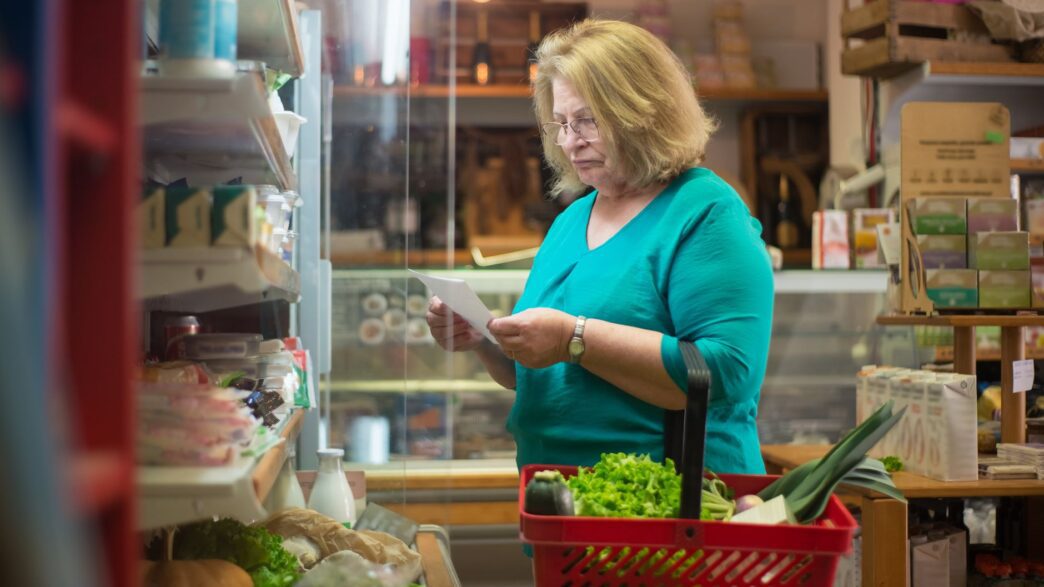
Walk into a grocery store hungry, tired, and without a list, and you’ve basically handed the store a blank check. Supermarkets are designed down to the floor tile to encourage impulse buys, and the average shopper makes a meaningful chunk of their purchases on the spot rather than from any intention. Those unplanned grabs — the rotisserie chicken because you forgot to thaw anything, the second bag of chips, the fancy sauce you’ll use once — add up fast.
Then there’s the quieter drain: food waste. The USDA estimates that American households throw away a significant share of the food they buy, which means a real percentage of every grocery dollar is literally going in the trash. When you buy without a plan, you buy ingredients that don’t connect to each other. You get half a bunch of cilantro for one recipe, and the rest liquefies in the crisper drawer. A meal plan fixes this by design, because you’re buying ingredients that are meant to work together across the week.
Start With What You Already Own
Here’s the step almost everyone skips, and it’s the one that saves the most money. Before you plan a single meal or write a single grocery item, open your pantry, your fridge, and your freezer and actually look. Most of us are sitting on a surprising amount of food we’ve forgotten about — that bag of rice, the canned beans, the chicken thighs buried under the frozen peas. Build your week’s meals around clearing those items out first, and you’ll routinely shave a chunk off your shopping trip before you’ve even left the house.
A loose rule that works well is to plan one or two “use it up” meals each week that are built entirely from what you already have. Stir-fries, soups, frittatas, and pasta dishes are forgiving enough to absorb whatever odds and ends are lurking in your kitchen. This habit alone keeps food from expiring and stops you from buying duplicates of things you already own three of.
Build the Plan Around the Sales, Not the Other Way Around
This is the mindset shift that separates people who save real money from people who just make a list. Instead of deciding what you want to eat and then paying whatever it costs, flip the order. Check your store’s weekly flyer or app first, see what proteins and produce are actually on sale, and let that shape the menu. If chicken thighs are marked down this week, that’s two or three dinners sorted. If a particular vegetable is in season and cheap, build a side around it.
Seasonality matters more than people realize in 2026. Produce that’s in season locally is almost always cheaper and better, while out-of-season items get marked up to cover shipping and storage. Planning around what’s abundant right now — summer squash and berries in June, root vegetables in winter — is one of the easiest ways to eat well for less without feeling like you’re sacrificing. Bankrate’s grocery savings guidance consistently points to flexible, sales-driven shopping as one of the highest-impact moves a household can make.
The Magic of “Cook Once, Eat Twice”
One of the most underrated planning tricks is intentional overlap. When you’re roasting a chicken, roast two. When you’re making rice or grains, make a double batch. When you brown ground beef for tacos on Monday, set half aside for a pasta sauce on Wednesday. This is sometimes called batch cooking, and it does two things at once: it slashes the number of times you start from scratch, and it dramatically reduces the temptation to order takeout on a tired weeknight.
That last point is where the real money hides. The biggest budget killer for most households isn’t groceries at all — it’s the $40 delivery order that happens precisely because there was no plan and no leftovers. A meal plan that includes a couple of “already cooked, just reheat” nights is essentially a delivery-app insurance policy. Every time you eat the leftovers instead of opening the app, you’ve saved roughly the cost of a whole separate grocery run.
What to Do With the Money You Free Up
Here’s the part that makes this worth the twenty minutes. The savings from meal planning are real, recurring, and almost invisible — which means they’ll vanish back into everyday spending unless you deliberately catch them. The smartest move is to automate it. If you know you’re saving, say, $200 a month at the register, set up an automatic transfer of that amount into a separate high-yield savings account on the day after payday. With many online banks paying meaningfully more than the national average right now, that grocery money quietly grows instead of disappearing.
Treating your grocery savings as a funded line item rather than a happy accident is what turns a budgeting habit into actual wealth. You’re not eating worse — you’re often eating better, because planned meals tend to be more balanced than grab-and-go decisions. You’re just no longer letting the supermarket and the delivery app decide how much of your paycheck they get to keep.
Keep It Simple Enough to Actually Stick
The fanciest meal-planning system in the world is useless if you abandon it after two weeks. Don’t try to plan gourmet meals for every night. Start with a rotation of seven or eight dinners your household actually likes, repeat them, and only experiment when you have the energy. Plan dinners first, since that’s where the biggest spending and waste happen, and let breakfasts and lunches stay simple and repetitive. Write the list, stick to the list, and shop with a full stomach.
Do this for one month and check your receipts against the month before. Most people are genuinely surprised by the gap. In a year where grocery prices keep grinding upward, a plan on the fridge is one of the few levers you fully control — and it pays you back every single week.