









Mark your calendar, because Amazon Prime Day is landing earlier than usual this year. Instead of the typical July slot, the 2026 event runs Tuesday, June 23 through Friday, June 26 — a full four days of lightning deals, countdown clocks, and that little dopamine hit you get when “Add to Cart” turns into “Order Placed.” It’s the first June Prime Day since 2021, and Amazon has already teased discounts of up to 50% off tech and up to 45% off back-to-school supplies and cleaning products.
Here’s the thing, though. A sale is only a deal if you were actually going to buy the item anyway. Amazon knows exactly how to make a 12% discount feel like a once-in-a-lifetime steal, and the whole event is engineered to get you spending fast before you’ve had time to think. So before the countdown timers start, let’s talk about how to walk away from Prime Day 2026 having genuinely saved money instead of just spent it.
The Psychology Trap That Costs You Hundreds
Retailers love urgency because urgency shuts down the rational part of your brain. When you see “Only 3 left!” or a Lightning Deal ticking down from 47 minutes, your instinct is to grab it before it’s gone. That fear of missing out is the entire business model. Amazon offers thousands of these time-limited deals throughout Prime Day precisely because scarcity sells.
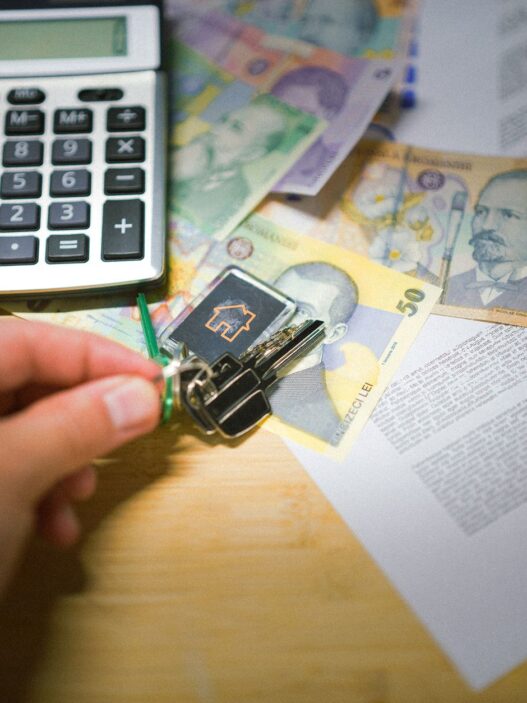
The trouble is that “saving 30%” on something you didn’t need still means spending 70% on something you didn’t need. If you buy a $200 gadget you hadn’t planned on, you didn’t save $86 — you spent $114 you otherwise would have kept. The fastest way to lose money during a sale is to let the sale decide what you buy.
The fix is simple but it requires doing the work before June 23. Make a list now of things you genuinely need or have been putting off — a replacement for a worn-out appliance, a birthday gift you’ll need in August, the printer ink you reorder every couple of months. When the deals drop, you shop your list. Everything else is just noise.
Build Your Wishlist and Track the Real Prices
Amazon makes it easy to pre-load your shopping in the “My Lists” section of the app, and there’s a smart reason to use it. When Prime Day starts, you can open your list and instantly see which of your saved items have actually been discounted, instead of wandering the storefront and getting pulled into things you never wanted.
But here’s the move most shoppers skip: check the price history before you buy. Amazon’s “deal” prices are sometimes only modestly lower than what the item sold for a month ago, and occasionally the “list price” being crossed out is inflated. Free browser tools and price-tracking sites like CamelCamelCamel let you see what any Amazon product has actually cost over the past year. If a “Prime Day exclusive” is only a few dollars below the running average, it’s not worth the rush. The Federal Trade Commission has repeatedly warned shoppers about deceptive “was/now” pricing, so a little skepticism goes a long way.
Don’t Forget to Comparison Shop
One of the quiet truths of Prime Day is that Amazon doesn’t have a monopoly on the calendar. Walmart and Target almost always run competing sales during the same window to grab their share of the spending frenzy. That works in your favor. Before you hit buy, take ten seconds to check whether the same item is cheaper somewhere else — sometimes it is, and sometimes another retailer will price-match Amazon if you ask.
This matters most on big-ticket electronics, where a 5% difference is real money. NerdWallet’s shopping team consistently recommends comparing across at least two or three retailers before any major purchase, sale or not. The few minutes you spend checking can easily be worth more per hour than your day job.
Watch Out for the Payment Pitfalls
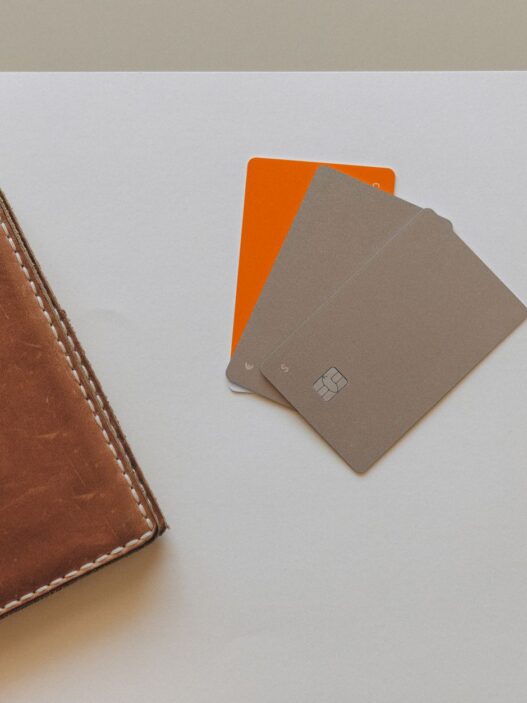
How you pay during Prime Day matters as much as what you buy. If you’re swiping a credit card and carrying a balance, the interest can erase your savings fast. The average credit card APR is sitting north of 20%, which means a $300 “deal” you finance for six months could quietly cost you an extra $30 or more in interest. A sale price you pay interest on isn’t really a sale price.
If you do use a rewards card you pay off in full every month, you can stack cash back or points on top of the discount, which is the genuinely savvy play. Just be honest with yourself about whether the balance gets cleared. And be cautious with the “buy now, pay later” options that pop up at checkout — splitting a purchase into four payments makes it feel painless, which is exactly why people overspend with it. The Consumer Financial Protection Bureau has flagged that BNPL users are more likely to overextend across multiple loans at once.
Give Your Savings a Place to Land
Here’s a trick that turns a shopping holiday into an actual win. Before Prime Day, decide on a spending cap — say, $150. Whatever you don’t spend against that cap, move it into your savings account the following week. So if you only spend $90 on things from your list, you “found” $60. Sweep it into a high-yield savings account where it can earn around 4% interest while you’re not touching it, instead of letting it evaporate into next month’s spending.
This reframes the whole event. Instead of measuring success by how much you bought, you measure it by how much of your budget survived. A no-spend or low-spend Prime Day, where you skip the event entirely or stick rigidly to one or two genuine needs, is a perfectly legitimate — and frankly impressive — outcome.
A Quick Game Plan for June 23–26
Between now and the sale, build your list, note the current prices of anything you’re eyeing, and set a firm dollar cap. When the event opens at 12:01 a.m. PDT on June 23, resist the urge to “browse.” Open your list, check whether your specific items dropped in price, verify the discount is real against the price history, and glance at Walmart or Target for the same product. Pay with a card you’ll clear in full, skip the BNPL temptation, and move whatever you didn’t spend straight into savings.
Prime Day can absolutely save you money on things you were already going to buy. The deals on tech, household basics, and back-to-school supplies are real, and timing a planned purchase to land during the event is smart budgeting. The danger is never the sale itself — it’s letting the sale convince you that spending is the same thing as saving. Go in with a list and a limit, and you’ll come out ahead.