







There’s a quiet line item on your monthly budget that tends to spike right around the time everything else does, and most of us never give it a second look. Your water bill. It shows up, you pay it, and you move on. But somewhere between June and August, that number starts creeping upward, and by the time the summer heat really settles in, you might be paying close to double what you did in the dead of winter.
It’s worth paying attention to, because water isn’t getting cheaper. A March 2025 Bank of America Institute report found the cost of water climbed 7.1% in just one year. Nationally, the average household water bill now sits around $43 a month, but that’s deceptively low. A typical family of four, with everyone using the national average of about 100 gallons per day, pays closer to $78 a month. And that’s before the lawn, the kiddie pool, and the daily cool-down showers that come with July.
The good news is that water is one of the most controllable bills you have. Unlike groceries or gas, where prices are set far above your pay grade, your water bill is almost entirely a function of how much you actually use. Trim the waste and you keep the money. Here’s how to do it without turning your backyard into a dust bowl.
Why Summer Hits Your Bill So Hard
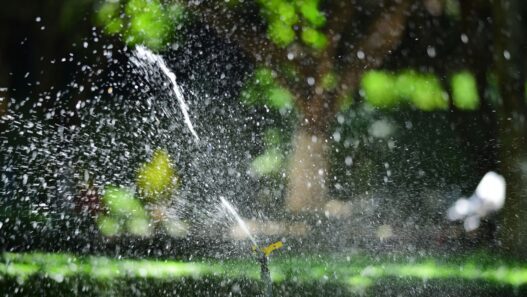
If your bill jumps in the warmer months, you’re not imagining it. Outdoor watering is the single biggest culprit. Lawn irrigation, garden hoses, pools, and sprinkler systems can easily double a household’s monthly consumption from June through August. The Environmental Protection Agency estimates that the average American family uses more than 300 gallons of water a day at home, and roughly 30% of that goes to outdoor use. In hot, dry climates, outdoor watering can balloon to 60% of total household use.
That matters for your wallet because many water utilities charge on a tiered system. The more you use, the higher the per-gallon rate climbs. So those extra summer gallons aren’t just adding up at the regular price, they’re often billed at a premium. It’s a little like overdraft fees in that way: the cost of going over compounds, and you don’t notice until the statement lands.
Fix the Leaks You Can’t Hear
Before you change a single habit, go hunting for leaks. The EPA estimates that household leaks waste nearly 900 billion gallons of water across the country every year, enough to supply nearly 11 million homes. The average home loses about 10,000 gallons annually to drips and runs you probably can’t even hear.
The most common offender is a silent toilet leak, where the flapper doesn’t seal and water trickles continuously from the tank to the bowl. To check, put a few drops of food coloring in the tank and wait ten minutes without flushing. If color shows up in the bowl, you’ve found money leaking down the drain. A flapper costs a few dollars and takes about five minutes to swap out.
Walk the rest of the house, too. A faucet dripping once per second wastes more than 3,000 gallons a year. Outdoor spigots and hose connections are notorious for slow leaks that go unnoticed because the water just disappears into the grass. Catching these is the closest thing to free money you’ll find this summer.
Water Smarter, Not More
Here’s the part most people get wrong: lawns don’t need a light daily misting. They need a deep soak about twice a week. A shallow daily watering encourages shallow roots, which makes your grass thirstier and less resilient, so you end up watering more, not less. A deep soak two or three times a week trains roots to grow down where the soil stays moist.
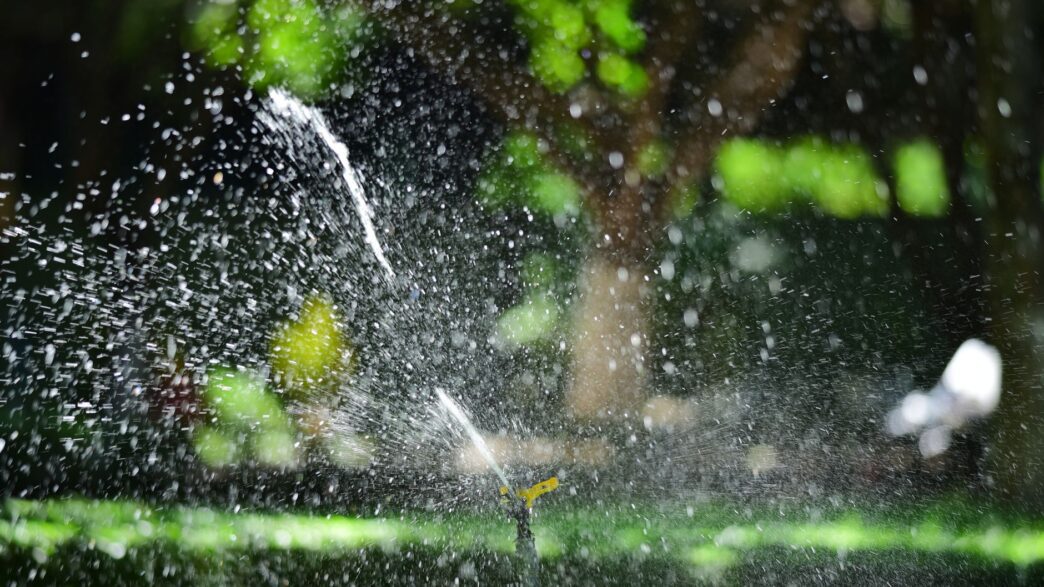
Timing matters just as much. Water early in the morning, before the sun is high, so less evaporates before it reaches the roots. Watering at noon on a hot day can lose a huge share of every gallon to evaporation. If you have a sprinkler system with a rain sensor, make sure the sensor actually works. A broken one will happily run your sprinklers in the middle of a downpour. Bankrate’s home savings guides and your local utility often offer free water audits that catch exactly these kinds of inefficiencies.
Small Indoor Swaps That Add Up
Inside the house, the showers and faucets are where the savings hide. Cutting just two minutes off everyone’s shower can save dozens of gallons a day. With a family of four, that adds up to thousands of gallons over a summer.
The bigger move is upgrading your fixtures. The EPA’s WaterSense program certifies showerheads, faucets, and toilets that use significantly less water without the weak, sad trickle you might be picturing. According to the EPA, the average family can save more than $380 a year on water and energy bills by installing WaterSense-labeled fixtures and ENERGY STAR-certified appliances. Many local utilities sweeten the deal with rebates for switching, so it’s worth checking your provider’s website before you buy. NerdWallet’s guides on household budgeting consistently point to these one-time upgrades as some of the highest-return moves a homeowner can make, because the savings repeat month after month with zero ongoing effort.
Run dishwashers and washing machines only with full loads, and skip the habit of rinsing dishes under running water before they go in. Modern dishwashers handle the scrubbing just fine, and a full load uses far less water than washing the same dishes by hand.
Turn the Savings Into Something Real
Here’s the move that separates people who save money from people who merely spend less: actually capture the difference. If your summer water bill drops by $25 or $30 a month, that money has a way of quietly evaporating into everyday spending unless you give it somewhere to go.
The simplest trick is to set up a small automatic transfer into a high-yield savings account for roughly what you expect to save. Right now many online savings accounts are paying meaningfully more interest than traditional brick-and-mortar banks, so the money you rescue from waste can actually grow a little while it sits. Even $30 a month across the summer is $90 you didn’t have before, parked somewhere it earns rather than somewhere it tempts you.
That’s the whole philosophy in a nutshell. Cutting your water bill isn’t about deprivation or letting your garden wither. It’s about not paying for water that runs down the drain, off the lawn, or out of a leaky flapper you never knew was there. Fix the waste, keep your habits reasonable, and let the savings land somewhere useful.