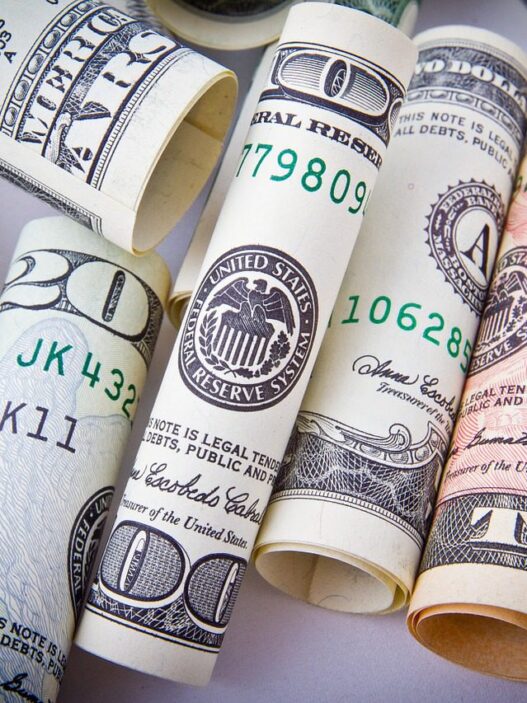




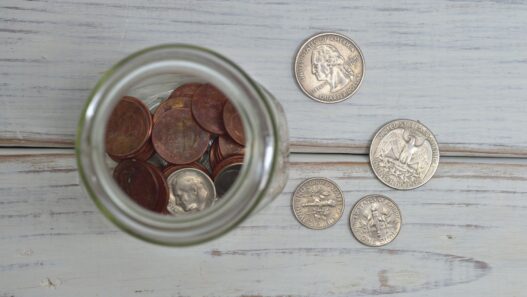



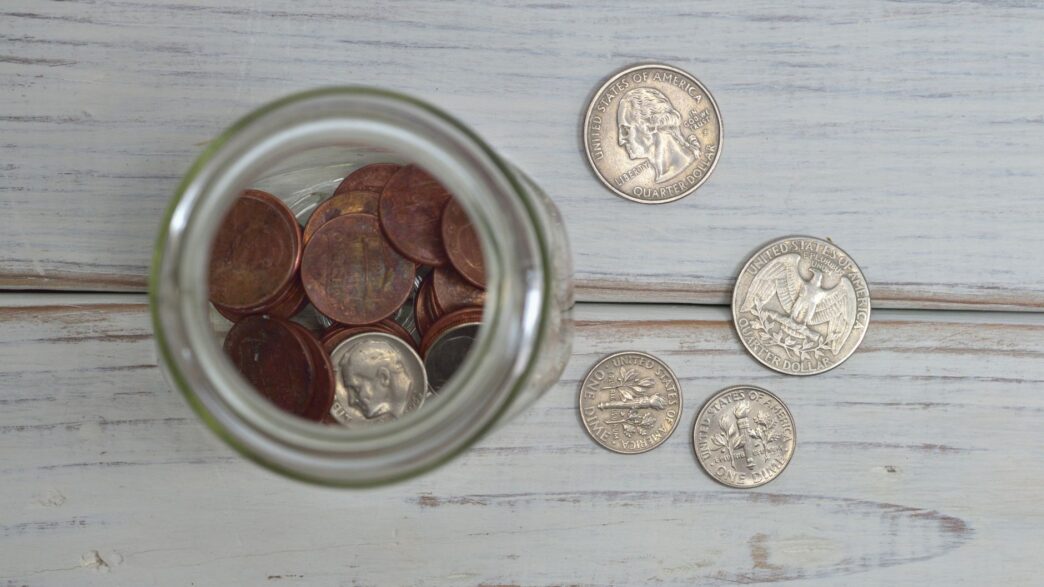
Every house has one. A jar on the dresser, a coffee can in the garage, a cup holder in the car that rattles every time you brake. It’s money, technically. But until it turns into dollars you can spend or save, it’s just weight.
November is a good month to deal with it. Holiday shopping is about to start, and a jar of change can cover a few gifts or seed a small savings account. There’s also a bit of history behind the timing. The U.S. Mint struck its final circulating pennies on November 12, 2025, at the Philadelphia Mint, which means a lot of the copper sitting in your jar is now a coin nobody is making anymore. Stores have been dealing with a penny crunch ever since, and rounding cash totals to the nearest nickel has become a normal sight at registers.
So the coins are worth cashing in. The question is how much of them you get to keep.
What a Coinstar Kiosk Really Costs
Coinstar is the easy answer because the green machines sit at the front of so many grocery stores. You pour, it counts, it spits out a voucher. The convenience has a price, though. According to U.S. News reporting republished by WTOP, cash-out fees run up to 12.9% plus a $0.99 transaction fee, and the exact rate varies by kiosk.
That sounds small until you do the math. On $100 of coins, you’d hand over $13.89 and walk away with $86.11. A bigger jar hurts more. Say you’ve been tossing change in a bucket for a couple of years and it comes to $300. At 12.9% plus the transaction charge, you’d pay about $39.69 just to turn your own money into slightly more convenient money.
That’s a full tank of gas, or a decent chunk of a holiday gift. For a machine that counts.
The Free Coinstar Options Most People Skip
You don’t have to pay Coinstar’s fee at all if you’re willing to take something other than cash.
The kiosks offer eGift cards to more than 20 retailers and restaurants with no fee. If you were going to spend money at one of those stores anyway (and in November and December, a lot of us are), taking the full value as a gift card is a clean way to keep every cent. One note if you’ve used this trick before: U.S. News reports that Coinstar no longer offers Amazon gift cards, so check the list on the screen before you pour.
You can also donate your coins to charity through the kiosk without paying the consumer fee. Be aware that the charity side isn’t entirely free. Greenlight’s breakdown of Coinstar’s fees notes that Coinstar keeps a processing cut from the donated amount (10% for national charities and 7.5% for regional ones). If giving is your goal, writing a check or donating online directly may get more of your money to the cause.
Coinstar has also been adding bank and credit union partners where coins can be deposited for a lower fee than the cash voucher. U.S. Bank joined as a partner in December 2025. If your bank is on that list, it’s worth a look.
Your Bank or Credit Union Is Usually the Cheapest Route
The best deal on coins is often the least exciting one: your own bank.
Most banks and credit unions will take rolled coins and credit them to your account. The catch is the rolling. The big national banks have mostly pulled their customer coin counters out of branches. U.S. News reports that Bank of America, Chase, and Capital One no longer have coin-counting machines for customers, though they’ll still hand you free coin wrappers. Wells Fargo exchanges rolled coins for its customers at no charge.
Smaller institutions are where the free counting machines still live. Community banks and credit unions are more likely to keep one in the lobby, and many let members use it free. Nonmembers may pay a fee, but it’s usually lower than Coinstar’s. In one example from the U.S. News piece, a Philadelphia couple brought $429.13 in coins to Hyperion Bank, which charges noncustomers 5%. That would have cost them $21.46, so they opened an account instead and counted for free.
If you don’t have a credit union membership, coin day is a decent excuse to look into one. They tend to have lower fees across the board, and the NCUA’s credit union locator makes it easy to find one you’re eligible to join.
Is Rolling Coins by Hand Worth It?
It depends on your jar and your patience. Rolling is tedious. Nobody’s arguing otherwise. But the math is on your side. If you’ve got $150 in change, rolling it yourself saves you around $20 compared with a Coinstar cash voucher. That’s a solid hourly rate for something you can do while half-watching TV.
A few practical tips make it go faster. Sort by denomination first, since mixed piles slow everything down. Count out stacks before you fill a wrapper (50 pennies, 40 nickels, 50 dimes, 40 quarters). Write your name and account number on each roll, because some banks require it in case a roll comes up short. And if you have a kid who wants to earn a little spending money, rolling coins is a fair job to pay them for.
What to Do With the Money Once It’s Counted
This is where a coin jar turns into something useful. The easiest move is to deposit the total straight into a savings account rather than taking cash. Cash from a jar has a way of disappearing into lunch and gas station snacks. A deposit sticks around.
If you’ve got a holiday spending budget, you can also earmark the coin money for gifts. Treating it as a separate pot makes it easier to stay inside your number when December gets busy. Some people like to keep the cycle going: empty the jar once or twice a year, and send the proceeds to a high-yield savings account or a specific goal like a vacation or a car repair fund.
And if you’d rather stop accumulating coins altogether, many banks and apps offer round-up features that move spare change from your debit card purchases into savings automatically. It’s the digital version of the jar, minus the rolling. The CFPB has a short piece on automatic saving if you want to set one up.
The Bottom Line on Coin Jar Cash
A coin jar is a weirdly emotional thing. It feels like found money, which makes it easy to shrug off a 12.9% fee. But you’d never accept a bank charging you $13 to deposit a $100 bill. Coins deserve the same respect.
If you want speed and you’re planning to shop at one of the listed stores anyway, the Coinstar eGift card is free and fine. If you want cash or a deposit, take your coins to your own bank or a credit union, even if it means an evening of rolling. Either way, the jar finally pays you back in full.