







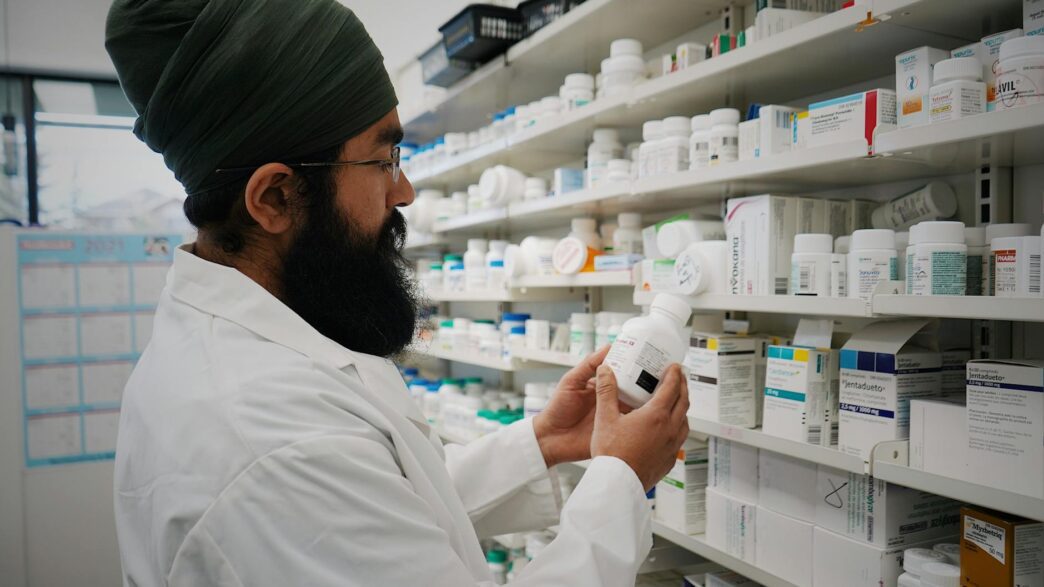
If your monthly pharmacy run feels like it costs more than your grocery bill, you’re not alone, and you’re not imagining it. American consumers spent roughly $55 billion out of pocket on prescriptions in 2024 between cash-pay scripts, copays, and coinsurance, and per-capita out-of-pocket drug spending is projected to hit about $231 in 2026 according to the Peterson-KFF Health System Tracker. That number hides a brutal truth: a handful of people are paying hundreds or thousands a year while everyone else complains about a $15 generic. The good news is that the tools to fix this are now embarrassingly easy to use. The bad news is that almost nobody at the pharmacy counter will mention them to you.
Here is the actual playbook savvy shoppers are running in 2026, the kind of system you can set up in one afternoon and lean on for the next decade.
Stop Assuming Insurance Is The Cheapest Option
This is the mental shift that saves people the most money, and it sounds wrong the first time you hear it. Your insurance copay is not necessarily the lowest price for your prescription. Pharmacy benefit managers negotiate confidential rebates with drug manufacturers, and the price you pay at the counter is often pegged to a contract that has nothing to do with the drug’s actual cost. On generics in particular, the cash price with a discount card or direct-pay program can be dramatically lower than your insured copay.
Pharmacists used to be legally gagged from telling you this. Federal “gag clause” bans signed into law in 2018 changed that, and you now have the legal right to ask the question. Walk up to the counter and say, “What would this cost if I paid cash instead of using my insurance?” If the cash price is lower, pay cash. Just be aware that cash-pay prescriptions usually don’t count toward your insurance deductible, so if you’re on a high-deductible plan and chasing the out-of-pocket maximum, run the math both ways.
The GoodRx Habit: Free, Boring, And Extremely Effective
GoodRx is the workhorse of prescription savings. It’s a free app and website that compares cash prices at more than 75,000 pharmacies in your zip code and hands you a coupon you can show the pharmacist. The coupon isn’t insurance; it just plugs you into a pre-negotiated discount that the pharmacy already has on file. There’s nothing to sign up for, no card to carry, no monthly fee on the basic version.
The reason GoodRx is so valuable is that pharmacy pricing is genuinely chaotic. The same generic blood pressure pill can cost $4 at one chain and $48 at the chain across the parking lot. NPR’s pharmacy reporting in 2026 confirmed there’s no consistent winner among the major discount tools, which is exactly why a comparison engine matters. You enter the drug, the dose, and your zip code, and you get a ranked list of nearby prices in about three seconds. The savings on a $200 monthly maintenance medication can easily run $1,000 to $2,000 a year, and you didn’t have to change doctors, plans, or pharmacies to capture it.
The catch is that GoodRx pricing varies, sometimes daily, so it pays to check before every refill. The five minutes you spend in the parking lot before walking in is the highest hourly wage you’ll earn all week.
Mark Cuban’s Cost Plus Drugs: The Transparent Pricing Lane
The Mark Cuban Cost Plus Drug Company launched in 2022 with a radical pitch: tell people the actual manufacturer cost of a drug, add a flat 15 percent markup, tack on a small dispensing fee, and ship it. No pharmacy benefit manager, no opaque rebates, no surprise charges. By 2026 the catalog has grown to more than 2,300 medications, and the savings on generics often run 40 to 80 percent versus traditional cash prices, according to coverage from STAT News.
A few examples that get passed around online: imatinib, a leukemia generic that retailed for over $9,000 a month at major pharmacies, was listed on Cost Plus for under $50. Common generics like metformin, atorvastatin, and lisinopril routinely run a few dollars a month. The site is built mostly for mail-order delivery, and there’s now a partner pharmacy network for people who need to pick up locally.
Cost Plus works best if you take a maintenance medication and can plan a few days ahead. It’s not the right tool for an acute prescription you need today. But for the prescriptions that drain your checking account month after month, the savings are sometimes shocking. Even people with decent insurance discover that their copays are higher than the Cost Plus cash price for the exact same pill.
In May 2026, Cost Plus also became one of the partners feeding generic drugs into the new federal TrumpRx portal alongside Amazon Pharmacy and GoodRx, which means the transparent-pricing model is now embedded in a much bigger distribution channel. Translation: this approach isn’t going away, and it’s getting easier to access.
Amazon, Costco, And The Underrated Membership Trick
Don’t sleep on the big-box pharmacies. Amazon Pharmacy ships to most of the country, often at prices competitive with Cost Plus, and Prime members get six-month supplies of certain generics for a flat fee. Costco’s pharmacy is famously cheap on cash-pay prescriptions and, importantly, you do not need a Costco membership to use the pharmacy. Federal law in most states requires pharmacies to serve walk-in customers regardless of membership status. Walmart’s $4 generic list still exists and covers hundreds of common drugs.
The savvy move is to run a price check on every refill across three sources: GoodRx for your local pharmacies, Cost Plus for mail order, and Costco or Amazon as a sanity check. Yes, this takes ten minutes the first time. After that, you’ll know the winner for each of your regular prescriptions and you can just default to it.
Don’t Forget The 90-Day Refill And Manufacturer Programs
Two more habits compound the savings. First, ask your doctor to write your maintenance scripts for 90 days instead of 30. The per-pill price drops at almost every pharmacy and discount platform, and you cut the number of trips you make by two-thirds. Second, if you take a brand-name drug with no generic alternative, search the manufacturer’s website for a copay assistance program. Most major drugmakers offer commercial coupons that cap your monthly out-of-pocket cost, sometimes at zero, even for people with insurance. These programs aren’t advertised at the pharmacy counter, and your doctor probably won’t bring them up unless you ask, but they exist and they’re real money.
Bankrate and other personal finance outlets have documented households saving $2,000 to $5,000 a year by combining these tactics. That’s a meaningful chunk of an emergency fund, a vacation, or an extra retirement contribution that’s currently being handed to a pharmacy benefit manager you’ve never met.
Where The Savings Should Land
A quick word on what to do with the money once you start clawing it back. Don’t just let an extra $100 or $200 a month dissolve into your checking account, where it will be quietly absorbed by everything else. Set up an automatic transfer for the difference to a high-yield savings account the day after each refill. Top online savings accounts were paying around 4 to 4.2 percent APY in May 2026, so an extra $200 a month parked there compounds into a real emergency cushion within a year or two. The whole point of cutting a recurring cost is to turn it into a recurring contribution. Otherwise you saved nothing; you just shifted where the leak went.
The pharmacy counter is one of the few places in modern life where you can save four figures a year by asking one question and downloading one app. It costs nothing to try, and the worst-case outcome is that your current price was already the lowest. For most people, it won’t be.