






If you only think of your bank as a place to park your paycheck and pay bills, you are leaving real money on the table. Most banks and credit unions quietly offer a stack of free services that you would otherwise pay for at a UPS Store, FedEx counter, or coin-counting kiosk at the grocery store. The catch is that almost nobody talks about them, branch staff rarely advertise them, and the perks vary wildly from one institution to the next. Once you know what to ask for, the savings add up faster than you might expect — easily $100 to $200 a year for an average household, and considerably more if you are running a small side business or managing paperwork for an aging parent.
Today we are walking through the most useful freebies hiding inside your existing checking account, plus a few rules of thumb for getting the most out of them without bouncing your account or losing a Saturday morning.
Free Notary Services Can Save You $15 Per Document
The single most overlooked bank perk is the in-branch notary. A typical UPS Store charges about $15 per signature, and mobile notaries can run $25 or more once you factor in travel fees. If you are buying a house, refinancing a loan, signing a power of attorney, transferring a vehicle title, or just dealing with estate paperwork, you can easily need three or four notarizations in a single transaction. That is $60 to $100 you can usually avoid entirely.
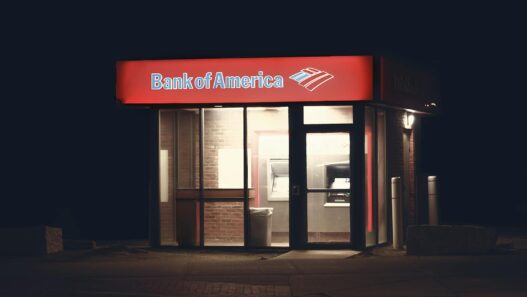
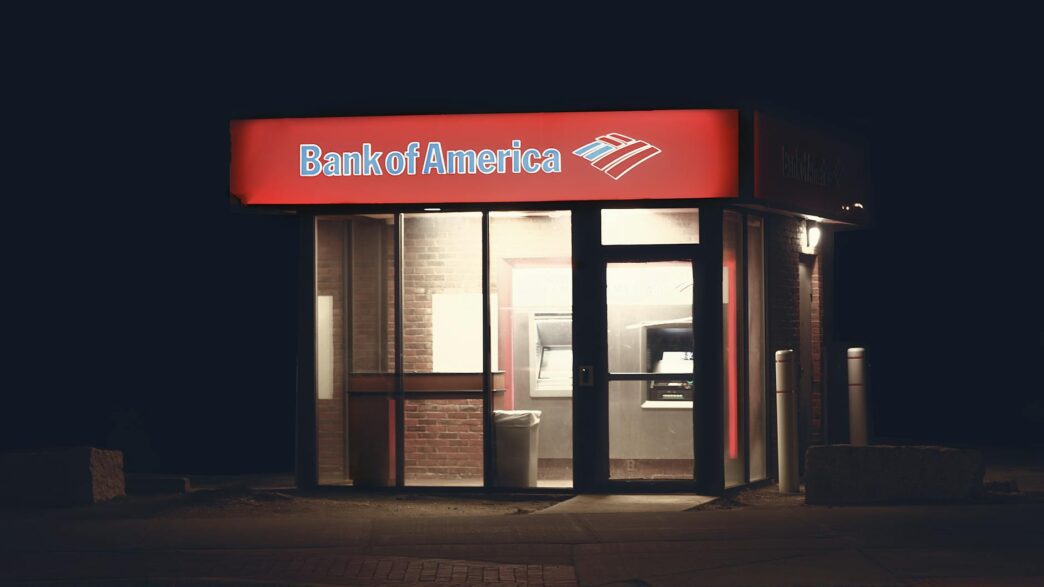
According to industry coverage, customers at Bank of America, Chase, PNC, Wells Fargo, Capital One, and Fifth Third Bank can typically get documents notarized for free at their branches, though Chase notes that not every branch has a notary on staff. Most credit unions also offer this service, often without any appointment required. The best practice is to call the branch first, confirm a notary is in that day, and bring two forms of ID along with any witnesses the document requires. Bank of America explicitly states on its signature services page that notary services are available at no cost to customers, and similar policies hold across most major banks.
A small word of warning: banks generally cannot notarize wills, deeds of trust, or certain real estate documents in states that require specific certifications, and a notary cannot sign anything they have not seen executed in person. Still, for the vast majority of everyday paperwork, your bank is the cheapest and fastest option in town.
Coin Counting Is Quietly Back at Many Branches
Remember when Coinstar machines started skimming roughly 12% off every coin jar you dumped in? That fee adds up to real money — turn in $400 in pennies, nickels, and dimes and you walk away with about $352. Many community banks and credit unions still offer free coin counting machines for customers, and a growing list of regional banks have added them back after the pandemic-era coin shortage forced everyone to think creatively about loose change.
First Citizens National Bank, Wintrust, Greenfield Cooperative Bank, and Hyperion Bank are a few examples of institutions that offer free coin counting to customers. Larger banks tend to send you home with paper rolls instead, but even that is a savings if you have the patience. The Federal Reserve has noted ongoing strain on coin circulation, and your bank actively wants the coins back. If yours does not have a counter, ask if they will accept rolled coins without charging a deposit fee. The five minutes of rolling beats handing over more than 10% of your savings to a vending machine.
ATM Network Reimbursements You Probably Forgot About
Many online banks and a surprising number of brick-and-mortar institutions reimburse out-of-network ATM fees, but only up to a certain limit each month. Charles Schwab Investor Checking famously refunds unlimited ATM fees worldwide. Fidelity Cash Management Account does the same. Ally Bank reimburses up to $10 of out-of-network fees per statement cycle. Even some traditional credit unions and community banks offer 4 to 8 free out-of-network withdrawals before fees kick in.
The trick is that you have to actually use the reimbursement. Many people see a $3.50 ATM fee on a statement and assume there is nothing to be done. If your bank advertises ATM rebates, those fees should be credited back automatically — usually at the end of the statement cycle. If you do not see the credit, call and ask. Customer service can usually push a manual credit through if there was a system glitch, and that is real cash back in your checking account.
Identity Theft and Fraud Monitoring You Already Pay For
A lot of premium and even mid-tier checking accounts now bundle in identity monitoring services that retail for $10 to $30 per month if you buy them standalone. Bank of America’s Advantage Relationship Banking, Wells Fargo Premier Checking, and Chase Private Client all include some form of credit monitoring, dark web scanning, or identity theft insurance.
The Consumer Financial Protection Bureau routinely reminds consumers that fraud monitoring is one of the most expensive standalone subscriptions people sign up for and forget about, when their existing bank account may include the same features. Log into your bank’s app, scroll to the benefits or membership tab, and see what is already attached to your account before paying for LifeLock, IdentityForce, or anything else in that price range. If you have multiple accounts at the same bank, ask about relationship pricing — Bankrate has covered how relationship banking tiers often unlock perks that more than offset their account minimums.
Free Cashier’s Checks, Money Orders, and Wire Discounts
A cashier’s check at a typical bank costs $8 to $15 each. Wire transfers run $15 to $35 for domestic and up to $50 for international. Money orders cost a few dollars at the bank, plus more at the grocery store or post office. If you are doing earnest money on a home purchase, paying a contractor, sending a security deposit, or wiring money to a family member, the fees stack up fast.
Many banks waive cashier’s check fees for customers who maintain a savings account, have direct deposit, or hold a premium checking tier. Credit unions in particular often offer free or reduced-price cashier’s checks as a member benefit. Some online banks like Capital One 360 will issue cashier’s checks at no charge through the mail, which is incredibly handy for one-off transactions. Always ask before you pay — a 30-second conversation with a banker has saved plenty of customers the full sticker price.
Safe Deposit Boxes, Travel Cards, and Other Niche Wins
Banks have been quietly reducing safe deposit box availability across the country, but if your branch still has them, many offer discounted or free boxes to customers who hit certain balance thresholds. Travelers should ask about foreign currency exchange, which is usually offered at a better rate to customers than to walk-ins, and some banks issue free travel debit cards with no foreign transaction fees specifically for international trips. Charles Schwab’s Investor Checking has built an entire following around this feature, and other banks are slowly catching up.
Beyond the obvious, banks routinely waive monthly maintenance fees with a single phone call if you have been a customer in good standing. NerdWallet has documented how bank fees often disappear with a polite request, especially for the $5 to $15 monthly maintenance charge that many checking accounts impose if you fall below a balance minimum. If a fee shows up on your statement, call and ask for a one-time courtesy waiver — you will get it more often than not, and an FDIC-insured account with a good service track record is worth keeping.
Make the Phone Call
The common thread running through all of these perks is that they are sitting there waiting, and almost nobody asks for them. A 15-minute call to your bank, or even a quick walk-in to the nearest branch, can unlock free notary work, coin counting, fee waivers, identity monitoring, and travel-friendly account features. Pair that with even a modest high-yield savings account earning 4% APY on your emergency fund, and you have a banking relationship that is paying you back instead of nickel-and-diming you to death.
The savings are small individually but add up over years. Three notarizations a year, a coin jar emptied twice, two avoided ATM fees a month, and a single waived maintenance fee in a difficult month can easily total $250 a year — money that should stay in your pocket instead of going to your bank or a third-party kiosk.