






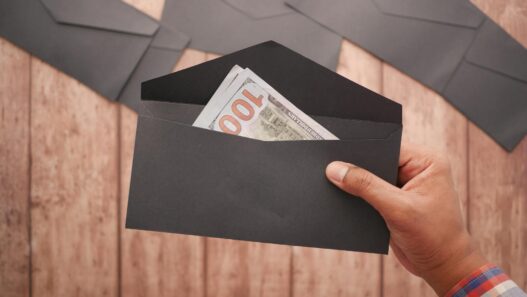
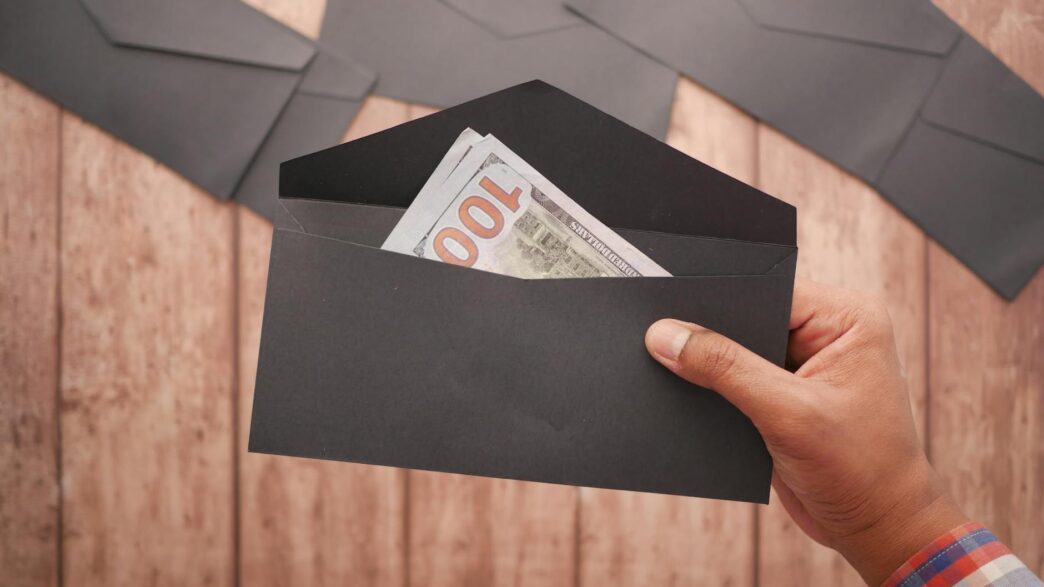
If you’ve spent any time on TikTok or Instagram lately, you’ve probably seen someone carefully tucking crisp twenty-dollar bills into labeled envelopes, ASMR-style, while narrating their monthly budget. It looks like a craft project, but it’s actually one of the oldest budgeting tricks in the book. Cash stuffing, which is really just the envelope method with a Gen Z rebrand, has quietly become one of the most talked-about money strategies of 2026. And the reason is pretty simple: when the cash is gone, it’s gone. There’s no tapping a debit card, no “buy now, pay later” magic, no accidentally draining the checking account by $40 at a time on DoorDash. You spend what’s in the envelope, and then you stop.
Your grandmother probably did a version of this. She’d cash her paycheck, divide the money into envelopes labeled “groceries,” “gas,” “church,” maybe “Christmas,” and that was the budget. Then credit cards and debit cards made all of that feel old-fashioned. But after years of rising prices, sneaky fees, and the bizarre psychological trick where tapping a card doesn’t feel like spending real money, a lot of people are deciding that old-fashioned was actually onto something.
Why Cash Stuffing Took Off Again
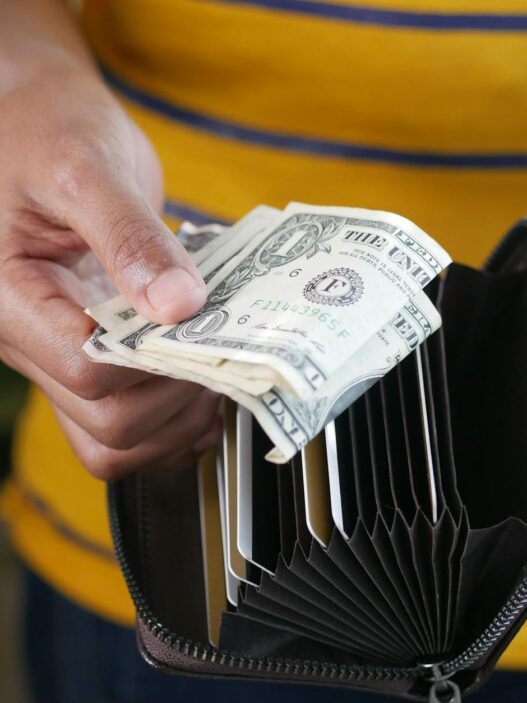
Part of the appeal is visual. When you physically peel a twenty out of an envelope labeled “eating out” and hand it to the cashier at Chipotle, your brain registers the transaction in a way a contactless tap just doesn’t. Researchers have found that people consistently spend more when they pay with plastic than with cash. The pain of handing over physical bills acts as a natural brake. A NerdWallet explainer on the envelope system points out that this friction is the whole point: the method works because it forces you to pause, count, and think before you spend.
The other reason it took off is that the rest of personal finance got complicated. Budgeting apps pull in dozens of transactions, categorize them automatically, and produce pretty pie charts, but a lot of people look at those charts once and then never again. Cash stuffing is aggressively simple. You decide how much you want to spend on groceries this month. You put that amount in an envelope. When the envelope is empty, you eat what’s already in the pantry. There’s no software to learn and no subscription to cancel.
How It Actually Works
The mechanics are straightforward. After you get paid, you list your variable spending categories, which are the ones that tend to blow up a budget. Think groceries, dining out, gas, entertainment, household stuff from Target, beauty and haircuts, kid activities, and a “buffer” envelope for the random expenses that always seem to pop up. Fixed bills like rent, utilities, insurance, and loan payments stay in the bank because you need to pay those electronically. Savings goals usually stay in the bank too, preferably in a separate high-yield savings account so they’re earning something while they sit.
Then you withdraw the cash for your variable categories and literally stuff it into labeled envelopes. Some people use binder inserts with zippered pouches. Others use the plain white envelopes from the office supply aisle. A growing number of creators sell elaborate binders with acrylic dividers, but the envelopes themselves are not the point. The point is the constraint.
During the month, you only spend from the relevant envelope. Ran out of the grocery envelope on day 22? You’ve got a week of pantry meals ahead of you. That sounds painful until you realize it’s also the month you didn’t end up $300 into credit card debt because you impulse-ordered Uber Eats three times in a row.
The Hybrid Version Most People Actually Use
Carrying a month’s worth of rent in cash through the parking lot at Kroger is not a great plan, and most practitioners know it. The modern version of cash stuffing, as Bankrate has covered, is usually a hybrid. You keep big fixed costs and long-term savings in the bank, you keep an emergency buffer in a savings account, and you use physical cash only for the categories where you tend to overspend. For a lot of people, that’s food and random discretionary purchases.
You can also go fully digital with the same psychology. Apps like Goodbudget, YNAB, and EveryDollar let you create virtual envelopes and deduct from them as you spend. Some banks and credit unions now offer multiple sub-savings accounts that do the same thing, letting you nickname a “groceries” pot and a “fun money” pot and a “car maintenance” pot inside a single account. The envelopes become line items in an app, but the discipline is the same: each dollar has a job, and when its bucket is empty, it’s empty.
What This Does For Your Savings
The reason cash stuffing has gotten so much attention isn’t really the aesthetic. It’s that people are actually reporting meaningful savings. A common experience shared online is that new cash stuffers find an extra few hundred dollars a month in the first couple of months, mostly from the categories they didn’t realize were out of control. The most common offenders are groceries, takeout, and the rolling total from Target and Amazon. When you can see the envelope emptying in real time, you make different choices.
Those savings don’t have to sit in a drawer. Once you’ve got your spending contained, the natural next step is moving the surplus somewhere it can grow. The Consumer Financial Protection Bureau has long pointed out that the single most powerful thing you can do for your finances is spend less than you earn and send the difference somewhere automatic. A high-yield savings account earning 4 percent or more is a much better home for that extra $200 a month than a checking account that pays nothing, and it keeps the money slightly out of reach, which is exactly what you want.
Where Cash Stuffing Falls Short
The method isn’t magic, and it isn’t for everyone. Carrying cash has real risks. If you lose a wallet stuffed with $800 in envelopes, that money is just gone, while a lost debit card can be frozen with a tap. Cash also doesn’t earn interest, so stuffing next month’s rent into a drawer actually costs you a little bit of yield compared to leaving it in a savings account until the bill is due. And cash stuffing does nothing to build credit, which is a real issue for younger budgeters who might need a solid credit score to rent an apartment or get a decent car loan later.
There’s also the question of how well it scales. If most of your bills are online subscriptions and you mostly shop online, physically pulling cash out of an ATM feels clunky. A lot of online cash stuffers are actually doing a digital version, where the envelopes are just labeled categories in a spreadsheet or app. That works fine, as long as you actually enforce the limits.
Making It Stick
The people who succeed with cash stuffing tend to share a few habits. They pay themselves first, moving a set amount into savings before the envelopes even get stuffed. They keep their envelope categories simple, usually five to eight at most, because fifteen envelopes becomes a chore. They do a quick weekly check-in, not a full budget rebuild, just a minute to see what’s left in each envelope and whether they need to slow down. And they’re honest about which categories need cash and which are fine on autopay, because the method is a tool, not a religion.
Done right, cash stuffing is less about envelopes and more about giving every dollar a clear assignment before the month starts. That’s the actual superpower, and it’s the reason a budgeting method your grandma used is suddenly the hottest thing on finance TikTok again. The envelopes are just the costume. The discipline underneath is what saves the money.