








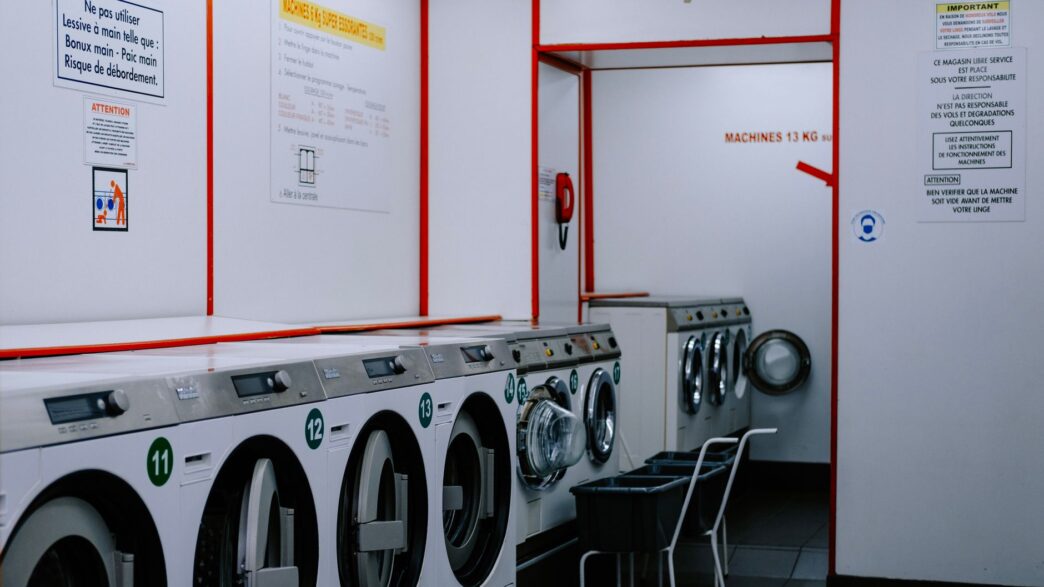
On Sunday, November 1, you got an extra hour of sleep. If Potomac Edison is your utility in Maryland, you also got a new peak window. Its residential time-of-use rate charges peak prices from 4 to 9 p.m. on weekdays during daylight saving time, then slides that window to 3 to 8 p.m. once Eastern Standard Time starts. So the load of laundry you started at 3:30 every afternoon in October, safely off-peak, now runs at the expensive rate. Nobody emailed you about it.
That is the November problem with time-of-use electricity rates. These plans pay you to run big appliances when the grid is quiet, and most advice stops at “do laundry at night.” Fine as far as it goes. But on some plans the schedule moves twice a year, and the timer you set in July keeps doing exactly what you told it.
My take: a time-of-use plan is worth it for most households willing to make two or three deliberate timer changes, and the first week of standard time is when you should check that you’re still collecting the savings you signed up for.
The gap between peak and off-peak hours is the only number that matters
Every TOU plan comes down to one spread: how much more a kilowatt-hour costs during peak hours than off-peak. Potomac Edison’s rate, launched April 20, 2026, priced on-peak supply and distribution at about 16 cents per kWh and off-peak at about 9 cents. That’s a 7 cent gap (the utility says supply charges change by season, so check your current tariff).
PG&E in California works very differently. EnergySage’s breakdown of PG&E’s March 2026 rates puts the popular E-TOU-C plan at roughly 32 to 40 cents on-peak in winter and 29 to 37 cents off-peak. A 3 cent winter gap, on a much higher base price.
The spread tells you how hard to work. On 3 cents, moving your dryer to midnight barely pays. On 7 cents it pays more than twice as much for the same effort. Find those two numbers on your bill or your utility’s rate page before you change a single habit.
Shifting 150 kWh a month is worth $126 a year on a 7 cent spread
The EIA’s October 2026 Short-Term Energy Outlook puts the average U.S. residential price at 18.2 cents per kWh this year, rising to 18.7 cents in 2027. Say your household uses 800 kWh in a winter month. At the national average, that bill is about $146.
Now move 150 of those kilowatt-hours out of the peak window. On a 7 cent spread like Potomac Edison’s, 150 times $0.07 is $10.50 a month, or $126 over twelve months. On PG&E’s 3 cent winter spread, the same 150 kWh saves $4.50 a month, which is $54 a year. Same chores, less than half the payoff.
Where does 150 kWh come from? A 3,000 watt dryer uses about 3 kWh in an hour-long cycle, according to EnergySage’s appliance figures. Five loads a week is 15 kWh, or roughly 65 kWh a month from laundry alone. The dishwasher, an electric water heater on a timer, or an EV charger covers the rest fast. If you charge a car at home, 150 kWh is a conservative guess.
Daylight saving time can quietly move the peak on time-of-use electricity rates
This is the part almost nobody writes about. Some utilities define peak hours by a clock time that never changes. PG&E’s E-TOU-C peak runs 4 to 9 p.m. every day of the year, weekends included. Others tie the window to the time standard, and Potomac Edison is the clean example: 4 to 9 p.m. under daylight saving, 3 to 8 p.m. under standard time.
On that kind of plan, the shift cuts both ways. A dishwasher set to start at 8:15 p.m. used to run inside the peak. Now it’s off-peak, and you got a small raise you didn’t notice. The 3 p.m. hour went the other direction. If you run laundry when the kids get home, or your smart thermostat preheats the house at 3:30, that hour is billed at peak rates until daylight saving returns on March 14, 2027.
Run it on laundry alone. Five 3 kWh loads a week in the 3 p.m. hour is 15 kWh. Standard time lasts about 19 weeks, so that’s 285 kWh billed at peak instead of off-peak. At a 7 cent spread you lose about $20 this winter for doing nothing different. Not a fortune. But it’s $20 you were already counting as saved, and it stacks with every other appliance parked in that hour.
The fix takes ten minutes. Pull up your utility’s TOU page, see whether the peak window changes with standard time, and reset any appliance timer, smart plug, or thermostat schedule that lands within an hour of the old boundary.
Two-thirds of customers come out ahead before changing a thing
Not enrolled yet? The best evidence for trying it comes from right next door to Potomac Edison. When the Brattle Group evaluated time-of-use pilots run by BGE, Pepco, and Delmarva Power in Maryland during their first year (June 2019 through May 2020), participants averaged bill savings of 5% to 10%. About two-thirds would have paid less even without changing their behavior. That makes sense once you think about it: plenty of households already use most of their power at night and on weekends, and a flat rate bills those cheap hours at the same price as 6 p.m.
On a $146 winter bill, 5% to 10% works out to about $7 to $15 a month, or roughly $88 to $175 a year. I’d treat the low end as realistic for winter. The same pilots cut peak usage by 10.2% to 14.8% in summer but only 5.1% to 6.1% from October through May. Winter load is harder to move, because the heat runs when it’s cold and evening is when it’s cold and you’re home.
Skip a time-of-use plan if your evenings are locked in
TOU isn’t for everyone, and I’d rather say so than sell it. If you work from home with electric heat and cook dinner at 6 every night, you’re using power exactly when it costs the most. Same if someone in the house runs medical equipment, or if you can’t control when the heat pump kicks on. For you, the flat rate is probably the better deal, and that’s a perfectly good outcome of doing the math.
The best test is your own data. Many utilities with TOU rates offer a comparison tool that runs your past twelve months of smart meter readings against each plan. Seattle City Light launched one in May 2026 for exactly this decision. Run it before you switch, then run it again in spring, because a plan that wins in winter can lose in July.
Your job this week fits in a coffee break. Find your utility’s peak hours for standard time, compare them with every timer in the house, and move anything that now lands in the expensive window. If you’re not on time-of-use electricity rates yet, run the comparison tool against last winter’s bills. The answer will either be $100 or more a year, or a clear “stay put.” Both are worth ten minutes. If you live in a deregulated market, pair this with shopping your electricity plan before winter, and before you plug in a space heater to save money, read why space heater heat often costs more than your furnace.