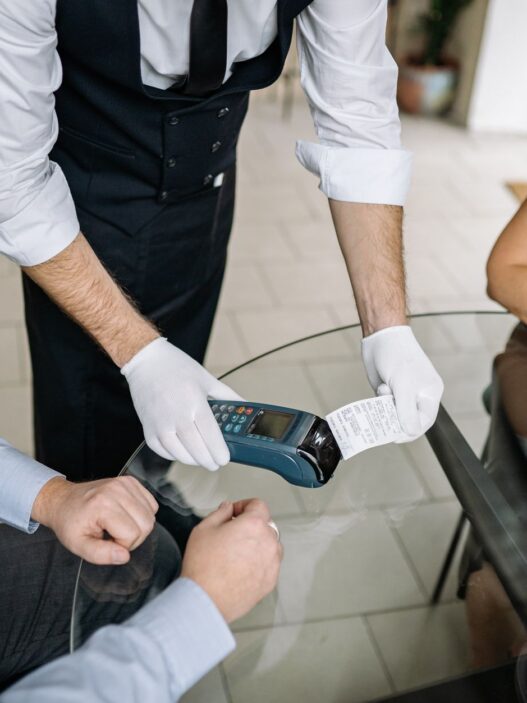










There was a stretch of about a decade where returning something you bought online felt free. You clicked a button, printed a label, dropped the box at the post office, and the money showed up in your checking account a week later. That era is over, and most people haven’t noticed yet because the fees are small enough to slide past you. A $9.99 charge here, a 15% restocking fee there, and suddenly the sweater you sent back cost you eighteen dollars to not own.
Roughly 72% of retailers now charge for at least some returns, up from 66% the year before, according to reporting on retail policy changes. What used to be reserved for opened electronics has spread to clothing, beauty products, and off-price stores. Macy’s charges $9.99 for mail returns. Marshalls and T.J. Maxx both charge $11.99. Best Buy applies a 15% restocking fee on opened electronics and a flat $45 on activatable devices like phones and tablets. Kohl’s has a 15% restocking fee on non-defective items in certain categories.
None of this is a scandal. Returns cost retailers real money — the National Retail Federation put the total value of returned merchandise at about $849.9 billion in 2025, roughly a 15.8% return rate overall and closer to 19.3% for online orders. Processing that flood costs the industry around $200 billion a year before you count the roughly 9% of returns that are outright fraudulent. Retailers are passing some of that cost back to us. Fine. But there’s no reason it has to land on your budget, and with a little bit of attention it usually doesn’t have to.
Know Which Retailers Still Eat the Cost
The single biggest lever here is simply choosing where you buy. Return policies vary wildly, and the difference between two stores selling the same $80 pair of shoes can be twenty dollars of downside risk.
Retailers with a lot of physical locations generally still take in-store returns for free, because getting you into the building is worth something to them. Free returns also remain a competitive weapon for a handful of chains that have built their brand on it — Zappos, Nordstrom, REI for members, Costco on most categories, and Target on the majority of items. When you’re comparing two sellers on price, treat a $10 return fee as part of the price, especially on clothing or anything where you’re guessing at fit.
Before you check out anywhere new, spend ninety seconds reading the return policy page. It’s tedious and it’s also the highest hourly rate you’ll earn all week. Look specifically for three things: whether return shipping is free, whether there’s a restocking fee, and how long the return window runs. Marketplace sellers on Amazon, Walmart, and Target operate under their own policies that differ from the host site’s, and that catches a lot of people. The Federal Trade Commission has long noted that stores are generally free to set whatever return terms they want as long as they disclose them, so the burden really is on you to read.
Return It in the Store Whenever You Can
This is the boring answer and also the one that saves the most money. Almost every retailer that charges for mail returns still accepts in-person returns free, because the shipping and processing cost is what they’re trying to recover. Macy’s, Kohl’s, T.J. Maxx, and most department stores fall into this category. If there’s a location within a reasonable drive and you’re already going that direction, the fee disappears entirely.
Amazon has quietly built out the same logic through drop-off partners. Returns handed to Whole Foods, Kohl’s, UPS Stores, or Amazon Fresh locations are usually free, while the exact same item shipped from your house through a non-partner carrier may carry a charge. Amazon also started flagging some items as “frequently returned” and applying fees on certain returns when a free option exists nearby. The system is telling you what it wants you to do. Do that.
The exception worth naming: if the drive is thirty minutes each way for a $9.99 fee, the gas and your time probably aren’t worth it. Batch your returns instead. Keep a designated bag by the door and clear it out when you’re already running errands in that direction.
Buy in a Way That Doesn’t Generate Returns
The cheapest return is the one that never happens, and most of the returns in your life are predictable. Clothing bought without checking a size chart. Furniture bought without measuring. The second color of something you weren’t sure about.
Look up actual measurements rather than trusting S/M/L labels, which vary enormously between brands. Read the reviews that mention sizing — those are usually the most useful sentences on the page. For furniture and appliances, tape out the footprint on your floor before you order. And resist the “order two sizes and return one” habit that free shipping trained everybody into. That strategy now costs money at a growing share of stores, and it’s exactly the behavior the fees are designed to stamp out.
If you buy a lot online, it also helps to keep a rough mental note of your return rate at each retailer. Several major chains, including Best Buy, Home Depot, and Sephora, use third-party tracking services to flag shoppers with unusually high return activity, and they can and do restrict returns for individual customers. Knowing that keeps you honest with yourself about the “I’ll just send it back” purchases.
Use the Protections You Already Have
A handful of credit cards still offer return protection, which reimburses you when a store refuses a return within a certain window — typically up to $300 per item and $1,000 per year. It’s become less common, but some Chase, Amex, and Citi cards still carry the benefit and most cardholders have no idea. Check your card’s guide to benefits before you assume the retailer’s answer is final. Sites like NerdWallet and Bankrate keep running comparisons of which cards still include it.
Separately, if a purchase arrives damaged, defective, or materially different from what was advertised, the fee usually doesn’t apply — most restocking policies specifically exempt defective merchandise. Say so clearly when you start the return. And if a merchant refuses to refund something you never received or that arrived broken, you have chargeback rights through your card issuer under federal billing-error rules. The Consumer Financial Protection Bureau explains the dispute process and the timelines that apply.
Put the Refund Somewhere It Does Something
One small habit that turns this whole exercise into a net positive: when a refund posts, move it out of checking. Refund money is psychologically weird — it feels like found money, so it tends to get spent within a few days of hitting your account. Set up a transfer to a savings account the same day the refund clears. With online savings accounts still paying meaningfully more than the national average checking rate, a few hundred dollars of refunds a year sitting in the right place quietly earns instead of quietly disappearing.
The bigger picture is that returns used to be a free option attached to every purchase, and now they aren’t. That changes the math on impulse buying more than it changes the math on returning. When sending something back costs ten or fifteen dollars, the pair of pants you’re only 60% sure about is a worse bet than it was two years ago. Buying a little more deliberately is the actual savings here. The fee-dodging is just cleanup.