







Here’s a small money leak most people never think about: you’re already buying groceries every single week, and at a lot of stores that spending is quietly earning you a discount on gas that you’re just… not collecting. It’s free money sitting on the table, and all it takes to grab it is scanning a loyalty card you probably already have in your wallet or phone. If you drive at all, grocery fuel rewards are one of the easiest, most painless ways to shave real dollars off a bill you can’t avoid.
I want to walk you through how these programs actually work, where the biggest savings hide, and a few tricks to stack the rewards so you’re filling up for a lot less than the person at the pump next to you.
How grocery fuel rewards actually work
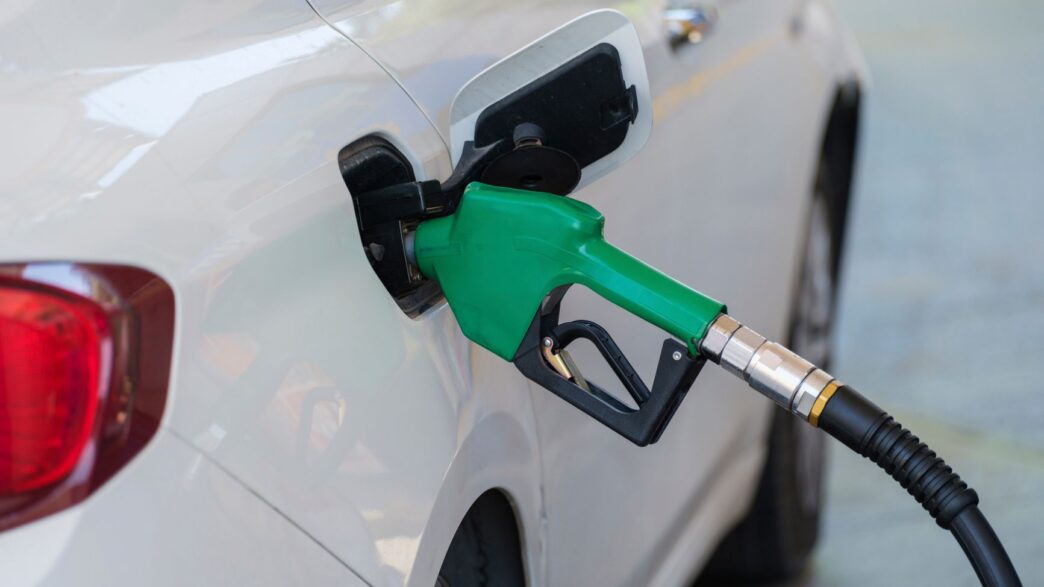
The concept is refreshingly simple. Most grocery chains that run a fuel program give you one point for every dollar you spend on groceries, and 100 points knocks 10 cents off every gallon at their fuel center or a partner gas station. So a normal $100 grocery trip earns 100 points, which is 10 cents a gallon off your next fill-up. Rack up 1,000 points across a few weeks of shopping and you’re looking at a full dollar off per gallon.
That dollar-per-gallon ceiling matters more than it sounds. If you drive a car with a 15-gallon tank and you redeem a full $1-per-gallon discount, that’s $15 off a single fill-up for groceries you were buying anyway. Kroger, for example, lets you redeem up to 1,000 points for $1 off per gallon on up to 35 gallons at its fuel centers and participating Shell stations, according to the details laid out on Kroger’s rewards pages. Safeway and its Albertsons family of stores run a nearly identical structure, letting members turn points into up to $1 a gallon in savings.
The chains that offer some version of this are everywhere once you start looking. Kroger’s umbrella includes Ralphs, Fred Meyer, Fry’s, King Soopers, Pick ‘n Save, Mariano’s and Harris Teeter. Albertsons covers Safeway, Vons, Jewel-Osco and others. Regional players like Hy-Vee, Winn-Dixie and Giant Eagle’s fuelperks all play the same game. Odds are strong that a store you already shop at has a program you’re not using.
The recent changes worth knowing about
Fuel rewards aren’t static, and 2026 brought a meaningful shift. In June, Kroger expanded its rewards program so shoppers can now choose what to do with their points instead of being locked into gas only. Under the new setup, you can redeem up to 1,000 points per day for $10 off your entire grocery bill, in-store or online through pickup and delivery, according to reporting on the change. So the same 1,000 points that buys you $1 a gallon off gas can instead take $10 straight off your groceries.
That flexibility is genuinely useful, but it also means you have to think for a second about where your points do the most good. If you’ve got a big tank and gas prices are high, redeeming for fuel usually squeezes out more value, especially if you can fill 30-plus gallons across a couple of vehicles. If you barely drive, taking the flat $10 off groceries might be the smarter play. The point is that you now get to decide, and deciding beats letting points expire unused, which is what happens to most people.
Where the real savings hide: gift cards and stacking
Now for the part that separates people who save a little from people who save a lot. The everyday grocery spending is the baseline, but the outsized rewards come from buying gift cards.
Most grocery fuel programs give you two, three, or even four times the points on third-party gift cards. Safeway, for instance, awards two points per dollar on gift card purchases versus one point on regular groceries. Think about what that means. You need a $200 payment to your streaming services, a restaurant, Amazon, a home improvement project, or a birthday present. Instead of paying those companies directly, you buy their gift cards at the grocery store, earn double or quadruple fuel points, and then spend the gift cards exactly as you would have spent the cash. You were going to make the purchase regardless, so the points are pure bonus.
This is the move that turns a modest 10-cents-a-gallon habit into a dollar-a-gallon windfall. A few hundred dollars of gift cards during a bonus-point promotion can single-handedly max out your fuel discount for the month. Watch for the periodic “4X fuel points on gift cards” events these stores run, because that’s when the math gets really good.
You can layer savings even further by paying attention to timing. Fuel points typically expire at the end of the month following the month you earned them, so plan your big fill-up before that deadline rather than letting a pile of points vanish. Bring your biggest tank to the pump on redemption day, and if your household has two cars, top off both to use more of your capped 35 gallons.
A word on the loyalty-versus-privacy trade-off
It’s worth being honest about the catch. These programs run on data. In exchange for the discount, the store tracks what you buy and uses it to market to you. For most shoppers that’s a fair trade for saving real money on gas, but if it bothers you, you can minimize the footprint by using the loyalty account only at the register and skipping the linked apps and emails. You still get the fuel points; you just share a little less.
There’s also a subtle behavioral trap to avoid. Rewards are only savings if you’d have made the purchase anyway. Buying extra groceries or gift cards you don’t need just to chase points is spending money to save money, which is exactly backward. The goal is to collect rewards on spending that was already going to happen, not to manufacture new spending.
Putting a few extra dollars back to work
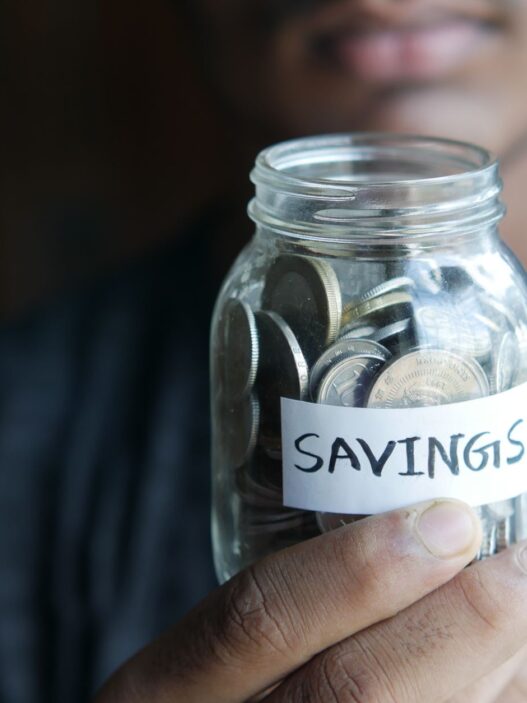
Here’s the part I always come back to. The gas savings themselves are nice, but the bigger win is what you do with the money you free up. If grocery fuel rewards save you even $15 or $20 a month, that’s $180 to $240 a year that used to disappear into your gas tank. Rather than letting it dissolve back into everyday spending, funnel it somewhere it can grow. Setting up a small automatic transfer into a high-yield savings account every time you fill up turns an invisible discount into a visible, growing balance you can actually see and use later.
That’s the SavingsRoll philosophy in a nutshell: find the money you’re already spending, trim it painlessly, and redirect the difference toward something that matters to you. Grocery fuel rewards check every box. You’re not clipping coupons, changing your diet, or driving across town to save two cents a gallon. You’re scanning a card you already have, being a little strategic about gift cards, and letting the savings pile up on a purchase you’d make anyway.
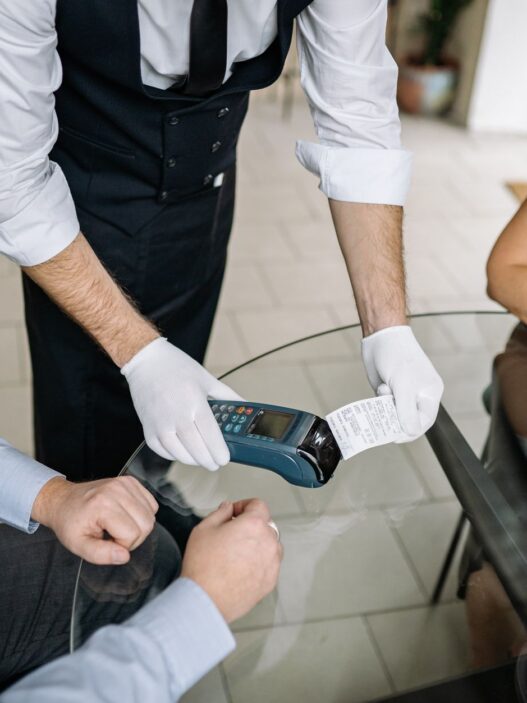
So next time you’re at the checkout, make sure that loyalty number gets entered. Then go enjoy watching the total at the pump drop before your eyes.