








If it feels like the back-to-school ads showed up before you’d even finished your Fourth of July hot dog, you’re not imagining it. Retailers start pushing pencils and backpacks in early July now, and plenty of parents are already buying. The National Retail Federation found that a majority of back-to-class shoppers begin picking up items well before August, spreading purchases across the summer to soften the blow to their budgets. That’s actually a smart instinct, because the blow is real.
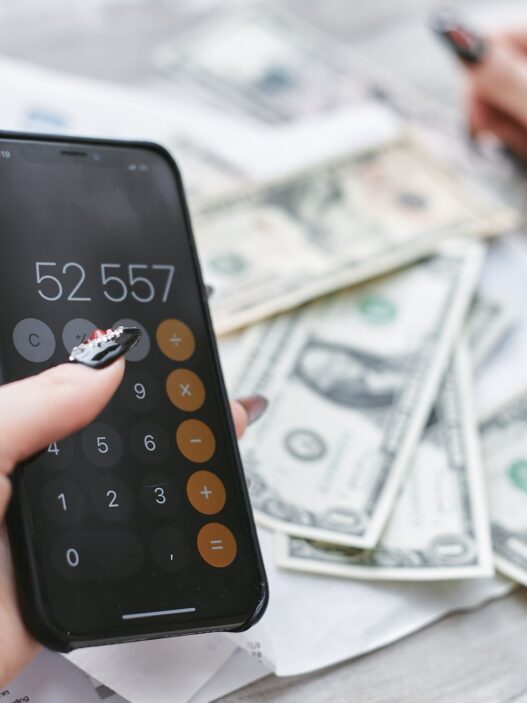
For the 2026 school year, families with kids in elementary through high school plan to spend an average of about $858 on clothes, shoes, supplies, and electronics, according to the National Retail Federation. Deloitte’s back-to-school survey pegs the number closer to $570 per student when you strip out the big-ticket tech. Either way, if you’ve got two or three kids, you’re staring down a four-figure summer expense. The good news is that back-to-school is one of the most predictable spending spikes on the calendar, and predictable expenses are the ones you can plan around and shrink. Here’s how to do it without your kids showing up on day one in last year’s too-small sneakers.
Shop Your Own House First
Before you set foot in a store or open a single shopping app, take fifteen minutes and dig through the drawers, closets, and that junk pile in the home office. Most families already own half of what ends up on the school supply list. Barely-used glue sticks, three-quarters of a pack of markers, a perfectly good backpack from two years ago hiding in the closet, folders that need nothing more than a fresh label. The average family throws money at duplicates every single August because nobody took inventory first.
Make a written list of what you actually have, then compare it against the school’s supply list. Whatever’s left over is your real shopping list, and it’s almost always shorter than you expected. This one habit can knock a meaningful chunk off that $858 average before you’ve spent a dime.
Time Your Purchases to the Calendar
Here’s the counterintuitive part: buying everything in one panicked trip the week before school starts is the most expensive way to do it. Prices on different categories bottom out at different times. School supplies like notebooks, pens, and folders hit rock-bottom loss-leader pricing in mid-to-late July and early August, when stores are practically giving them away to get you in the door. Clothing, on the other hand, is often cheaper if you wait until a few weeks after school starts, when summer inventory gets marked down and retailers clear the racks.
Electronics follow their own rhythm. If your kid needs a laptop or tablet, the deepest discounts tend to cluster around major summer sales events and the tax-free weekends many states run in late July and August. Speaking of which, more than a dozen states hold sales-tax holidays specifically timed for back-to-school season, and skipping sales tax on a $600 laptop plus clothes and supplies is free money. Check whether your state has one and build your bigger purchases around that weekend. Bankrate keeps a running rundown of which states participate and when.
Stack Your Savings Instead of Settling for One Discount
The parents who really win at back-to-school don’t just clip one coupon and call it a day. They layer. Start with a store sale, add a manufacturer or store coupon on top, pay with a card that earns rewards in that category, and then run the purchase through a cash-back shopping app or browser extension. Each layer is small on its own, but stacked together they can turn a 15% discount into something closer to 35%.
Buying online for store pickup often unlocks online-only coupon codes you can’t get at the register, and it kills impulse buys because you’re not walking past the seasonal candy display with a cart full of kids. If you’ve got a savings account you’re funneling money into anyway, consider routing whatever you save through stacking straight into it — turning a discount into actual dollars in the bank is far more satisfying than watching it evaporate into more stuff.
Don’t Sleep on Secondhand and Bulk
A backpack is a backpack whether it came off a clearance rack or out of a Buy Nothing group. Gently used clothing, especially for younger kids who outgrow everything in a season anyway, is one of the biggest untapped savings categories in the whole back-to-school budget. Thrift stores, consignment shops, and local parent swap groups are overflowing with barely-worn uniforms and jackets in August. For a growing eight-year-old who’ll need the next size up by Halloween, spending full price on brand-new clothes is money you’ll never see again.
For the consumable stuff you burn through all year — printer paper, tissues, hand sanitizer, glue — buying in bulk with another family and splitting it can cut the per-unit cost dramatically. A warehouse-sized box of pencils looks absurd for one kid but makes perfect sense split three ways among neighbors.
Be Careful With “Buy Now, Pay Later”
It’s tempting, when the total at checkout is bigger than you’d like, to break it into four easy payments. Back-to-school is peak season for buy-now-pay-later offers, and they’re marketed hard to parents feeling the squeeze. Splitting a purchase into installments can be fine if you treat it like a short-term budgeting tool and pay it off on schedule. The trouble starts when you stack three or four of these plans across different retailers and lose track of when each one hits your checking account. Miss a payment and the fees erase any savings you worked for.
If you’re using installment plans, keep them to one at a time and make sure the payment dates line up with your actual paydays. The Consumer Financial Protection Bureau has warned that layering multiple pay-later plans is where people get into trouble, and back-to-school season is exactly when that layering tends to happen.
Set a Number and Give Every Kid a Say
Finally, decide what you’re going to spend before the shopping starts, not after. A hard number turns a stressful open-ended spree into a game with clear rules. Older kids especially respond well to being handed a clothing budget and told that whatever they don’t spend, they keep. Suddenly the $80 sneakers become a real trade-off instead of a given, and you’ve taught a personal-finance lesson that’ll outlast the shoes.
Back-to-school spending is heading toward $39 billion nationwide this year, and a real slice of that is impulse, duplication, and paying full price out of pure August panic. None of that has to be your money. Start early, shop your own house, time the calendar, stack your discounts, and route the difference somewhere useful. Your kids will be just as ready for day one — and your budget will still be standing.