








If you’ve ever felt left out of the rewards game because you don’t carry a credit card, there’s good news waiting in your checking account. Cashback debit cards have quietly become one of the most underrated tools for stretching your dollar, and in 2026, the options are better than ever. You don’t need a credit check, you won’t risk going into debt, and you can still earn real money back on the purchases you’re already making.
For those of us who prefer spending only what we have — and let’s be honest, that’s a pretty smart way to manage money — cashback debit cards offer a way to get rewarded for financial discipline instead of being punished for it.
Why Cashback Debit Cards Deserve Your Attention
The credit card industry has spent decades convincing us that rewards are their exclusive territory. Points, miles, cashback percentages — all dangled like carrots to get you to swipe plastic tied to a line of credit. But here’s what they don’t advertise: you can earn meaningful cashback using a debit card, spending money you already have, with zero risk of interest charges eating into those rewards.
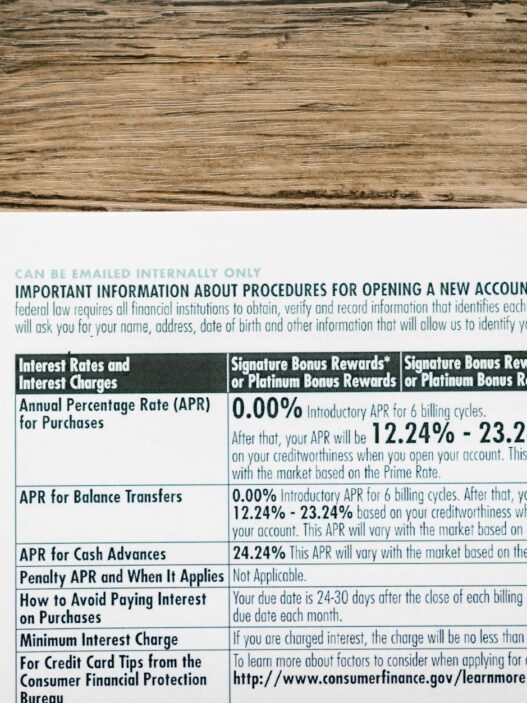
The math on credit card rewards only works if you pay your balance in full every single month. According to the Federal Reserve Bank of New York, total U.S. credit card debt surpassed $1.2 trillion in recent quarters, and the average credit card interest rate sits above 20%. That means millions of people chasing 2% cashback are actually paying 20% or more in interest — a losing proposition by any measure. Debit card cashback sidesteps this trap entirely.
The Best Cashback Debit Cards Right Now
The landscape has shifted dramatically over the past couple of years. Several banks and fintech companies now offer genuinely competitive cashback programs tied to debit cards. Here are some of the standout options as of April 2026.
The PayPal Debit Mastercard remains one of the most generous options out there, offering 5% cashback in a category you choose — restaurants, groceries, fuel, apparel, or rideshares. That cashback applies to up to $1,000 in monthly spending in your selected category, which means you could pocket up to $50 a month just by routing your everyday spending through one card. It’s worth noting, though, that PayPal is making changes effective August 2026 that will end the option to transfer rewards directly to your bank account, so keep an eye on how the program evolves.
For a simpler, no-fuss approach, the Discover Cashback Debit account hands you a flat 1% cashback on up to $3,000 in debit card purchases each month. That’s up to $30 back monthly — or $360 a year — just for using your debit card the way you normally would. There are no monthly fees, no minimum balance requirements, and Discover’s customer service reputation is consistently strong.
If you want cashback plus a solid interest rate on your balance, Axos Bank’s CashBack Checking account offers 1% cashback on qualifying purchases alongside no monthly maintenance fees and unlimited domestic ATM fee reimbursements. It’s a particularly good fit if you travel domestically and hate getting nickel-and-dimed at out-of-network ATMs.
Then there’s the American Express checking account, which earns 1 Membership Rewards point for every $2 spent — with no cap. If you’re already in the Amex ecosystem, those points can add up fast and transfer to travel partners or be redeemed for statement credits.
How Much Can You Actually Earn?
Let’s run some realistic numbers. The average American household spends roughly $6,440 per month on goods and services, according to the Bureau of Labor Statistics. Obviously not all of that goes on a debit card, but let’s say you channel $2,000 a month through a cashback debit card.
At 1% cashback, that’s $20 a month or $240 a year. Not life-changing, but it’s essentially free money for doing nothing different. At 5% in a bonus category where you spend $800 a month, you’d earn $40 monthly from that category alone, plus whatever you get on the rest. Over a year, a savvy spender could realistically pull in $400 to $600 in cashback rewards — all without a single cent of interest paid.
Now, stack that with a high-yield savings account earning 4% to 5% APY — which is very achievable in today’s rate environment — and your money is working for you from multiple angles. The cashback goes into savings, where it earns interest, and the cycle compounds over time.
What to Watch Out For
Cashback debit cards aren’t perfect, and it’s important to go in with your eyes open. Some programs cap the amount of spending that qualifies for rewards, so once you hit that ceiling, you’re back to earning nothing for the rest of the month. Others may require you to meet certain conditions — like maintaining a minimum balance or making a set number of transactions — to unlock the full cashback rate.
You’ll also want to check whether the cashback comes as a direct deposit to your account, a statement credit, or points that need to be redeemed through a portal. Direct cash deposits are the most straightforward and the hardest to lose track of. Points-based systems can be valuable but sometimes come with expiration dates or complicated redemption rules.
Finally, don’t chase cashback at the expense of good banking fundamentals. A card that offers 2% cashback but charges a $15 monthly fee is only worth it if you’re spending enough to overcome that fee — and even then, you might be better off with a no-fee account that offers a slightly lower rate. Always do the math for your specific spending patterns.
Making the Switch Without the Hassle
If your current checking account offers zero rewards, switching doesn’t have to be a headache. Thanks to open banking regulations that have been rolling out, moving your direct deposits and automatic payments to a new bank is getting easier every year. Many of the banks offering cashback debit cards will even help you set up automatic transfers from your old account during the transition period.
Start by opening the new cashback account — most can be set up online in under ten minutes. Move your direct deposit over first, since that’s usually the anchor of your banking relationship. Then shift your automatic bill payments one at a time over the next billing cycle. Keep your old account open with a small balance for a month or two just in case something slips through the cracks, then close it once you’re confident everything has moved.
The Bottom Line
Cashback debit cards won’t make you rich, but they will make your everyday spending a little more rewarding — and in the world of personal finance, small wins add up. If you’re already committed to spending within your means and avoiding credit card debt, there’s no reason your discipline shouldn’t come with a bonus. The best time to start earning cashback on your debit card was yesterday. The second best time is right now.