







Most people find out how expensive tolls have gotten the same way. An envelope shows up from a state you drove through two months ago. The toll on it is $1.75. The fees stacked on top of that $1.75 come to thirty or forty dollars.
That gap is the entire story of tolling right now. The tolls themselves have crept up, but they are still small money on most trips. What changed is the machinery around them. Cash lanes have vanished from enormous stretches of road, cameras read your plate and mail you a bill, and every point where that process can go sideways now has a charge attached. Miss the bill because it went to an old address, and the penalty can run twenty or thirty times the original toll.
This is one of those budget leaks that feels too small to bother with until you add up a year of it. It is also one of the easiest to shut off.
Cash Lanes Are Gone on Most of the Network
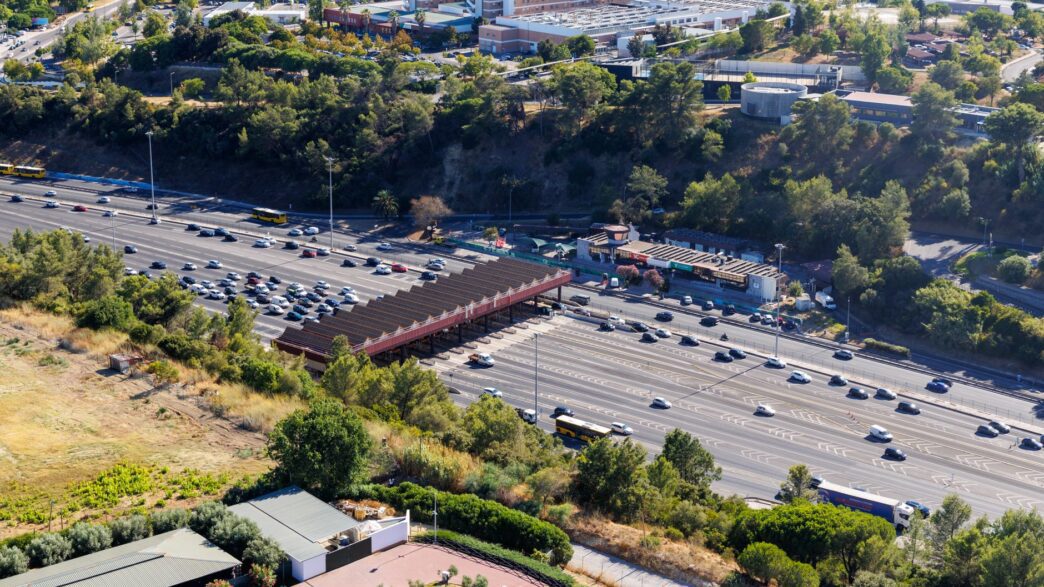
All electronic tolling, sometimes called open road tolling, means exactly what it sounds like. There is no booth, no coin basket, and no option to hand someone three dollars. Your transponder gets read, or your plate gets photographed and a bill goes out by mail.
The plate route is the expensive one, and not by a little. Toll authorities and rental companies both bill plate based tolls at what the industry politely calls the highest undiscounted rate. A trip that costs a transponder holder $2.10 might bill at $4.50 by plate. You are paying a surcharge for the privilege of being photographed.
Rates and structures vary wildly by state, which is part of why this catches people. The Ohio Turnpike runs one system. The Pennsylvania Turnpike runs another. Florida, Texas, and California each do it differently. Drive a vacation route that crosses four of them and you have four separate billing relationships you did not know you opened.
What a Missed Toll Actually Costs
Here is where the numbers stop being trivial.
In New York, if you get a Tolls by Mail bill and it sits unpaid for thirty days, you owe a $5 late charge. Let it go sixty days from the original bill date and the MTA adds a fee of $50 for each unpaid bridge or tunnel toll. Not $50 for the bill. Fifty dollars per toll. Keep ignoring it and you are looking at possible suspension of your vehicle registration, a civil judgment, or being barred from MTA bridges and tunnels entirely.
Pennsylvania escalates toward a $75 violation fee on the final notice, plus a few dollars in processing, and accounts that reach collections get billed at triple the toll amount on top of every fee already there. Ohio adds $5 per missed toll and then another $5 per toll if you ignore the first notice. Texas walks you up three rungs: a $2.50 administrative fee on the initial notice, $5 more per violation on the second, and a $14 collection fee per violation on the final one. North Carolina’s third invoice tacks on a $25 civil penalty.
None of those numbers are punishment for reckless driving. They are the price of a letter reaching the wrong mailbox.
The Rental Car Counter Is Where This Gets Ugly
Rental toll programs are their own category of expensive, and the pitch at the counter is deliberately confusing.
Take Budget, which runs a program called e-Toll Unlimited through Verra Mobility. Buy it at the counter and you pay one flat daily or weekly price covering every toll you incur. Decline it, then drive an all electronic tollway without a working compatible transponder, and the terms are spelled out plainly: your card gets charged each toll at the authority’s highest undiscounted rate, plus an administrative fee of $6.95 for every calendar day on which you incurred a toll, capped at $34.75 per rental month. Payless, a sibling brand, charges $7.95 per day with a $39.75 monthly cap.
Two details make this worse than it reads. First, the charges show up four to eight weeks after you return the car, long after you have closed out the trip in your head and stopped watching for it. Second, toll authorities generally cannot bill a rental customer directly, so you have no way to just pay the road and be done.
The workaround is real and it works. If the car has a transponder box mounted on the windshield, keep the shield closed. Bring your own transponder instead, make sure it is compatible with that region and your account is funded, and mount it properly. The toll authority reads your device and bills your own account at your own rate. One exception worth knowing: most entry points to the NYC Congestion Relief Zone only read plates, and short term rentals cannot be added to an E-ZPass New York account, so that charge will come through the rental company no matter what you do.
Before a trip, spend two minutes checking whether your pass covers where you are going. If you are renting in a region your transponder does not reach and the flat daily rate is cheaper than the toll plus $6.95 a day, buy the program. If you are driving one toll bridge on a seven day rental, do not.
Your Transponder Covers More Ground Than You Think
E-ZPass works across roughly nineteen states, and interoperability agreements stretch it further. An NC Quick Pass works on E-ZPass roads and the reverse holds too. Illinois I-Pass and E-ZPass read each other. If you live anywhere in the eastern half of the country and drive more than a few toll trips a year, not having a transponder is just choosing to pay the higher rate.
They are usually free or close to it. Some states charge a small deposit, some charge nothing, and a handful hand them out with a promotional toll credit.
The Failure Mode Nobody Plans For
Almost nobody gets a toll violation because they blew through a gantry on purpose. They get one because the payment method on file quietly stopped working.
Auto replenishment pulls from a card. That card expires, or gets reissued after a fraud alert, or you close the account. The transponder account balance drops below zero, the system stops honoring your reads, and you start generating violations on every trip without any signal that something broke. In New York, an E-ZPass balance below zero puts you out of compliance with the agreement and gets you a toll bill.
The other common failure is a plate that never got updated. You bought a car, moved the transponder to it, and skipped the step where you add the new plate number. Camera enforcement matches by plate on plenty of facilities, so the reads do not connect to your account.
Fixing both takes about fifteen minutes. Log into your toll account, confirm the card on file has not expired, verify every vehicle and plate is listed correctly, update your mailing address, and turn on low balance email or text alerts. Do this once a year, ideally when you renew your registration so it rides along with something you already do.
Where the Replenishment Money Should Sit
A toll account is a small, boring, recurring expense, which makes it a good candidate for the same treatment you would give any other bill you want on autopilot. Keep the cushion in an account that pays you something while it waits rather than in a checking account earning nothing. A high yield savings account linked to the card you use for auto replenishment does the job, and the balance stays FDIC insured while it sits there.
If you drive tolls regularly, estimate your annual toll spend and keep roughly a quarter of it as a buffer. Enough that a declined card does not immediately turn into violations, not so much that you have hundreds of dollars parked with a state agency.
One More Thing Worth Checking
If you have already racked up violations, look up whether your state runs an amnesty or settlement program. Several do, periodically, and they will often waive accumulated penalties if you pay the underlying tolls. Toll authorities would rather collect the $1.75 than chase you for the $50, and they know the fee structure generates disputes.
Also check your dispute window. Most authorities give you a short period to contest a violation, and the most successful disputes are the ordinary ones: you sold the car before that date, the plate was misread, you had a working transponder and the read failed. Those get resolved more often than people expect, but only if you respond before the notice escalates.