






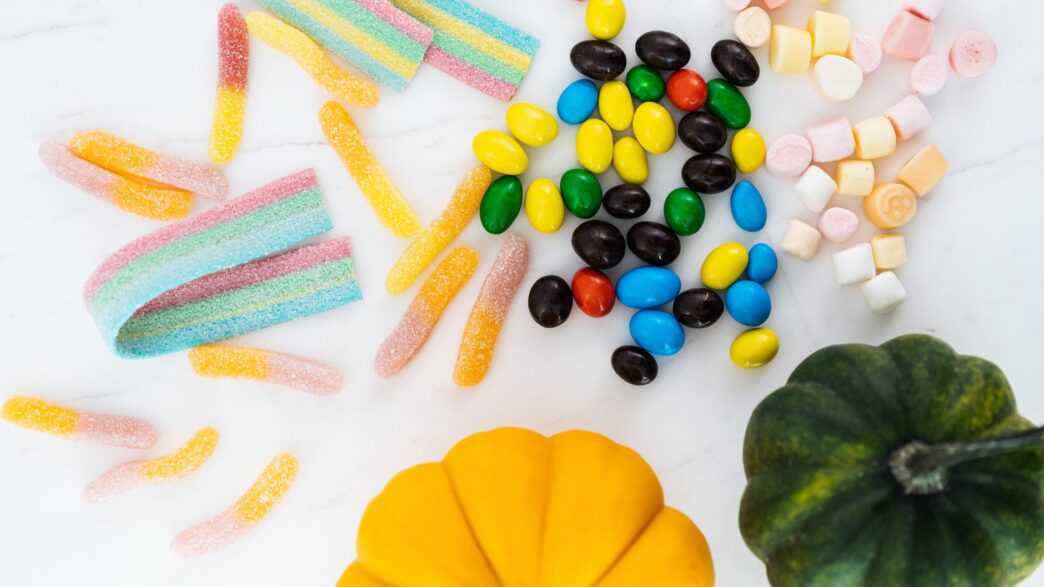
The Halloween aisle showed up in my grocery store the last week of August, which felt aggressive even by seasonal retail standards. But there was a bag of fun size chocolate bars sitting there with a price tag that made me do a double take, and that is really the story of Halloween this year. The holiday itself has not gotten more expensive to enjoy. The candy has.
The National Retail Federation’s most recent Halloween survey put total consumer spending at a record $13.1 billion, or about $114.45 per person, with roughly 73 percent of Americans saying they planned to celebrate. NRF usually releases the new year’s numbers in mid September, so we are still working from last year’s figures, but the direction is not mysterious. People are not skipping Halloween. They are paying more for the same night.
If you want to keep your version of it closer to $40 than $140, the moves have to start now, in early September, not the week of the 31st.
Why the candy aisle costs more this year
Sugar and sweets are the outlier in an otherwise boring grocery inflation year. The USDA’s Food Price Outlook forecasts all food prices rising 3.1 percent in 2026, which is close to normal. Sugar and sweets are forecast to rise 7.1 percent, more than double that, and the actual data has been running slightly hotter. Prices in that category were 7.4 percent higher this July than the July before. The subcategory doing most of the damage is candy and chewing gum, which is where nearly all chocolate lands.
Cocoa is the reason. The commodity crashed from above $12,000 per metric ton in late 2024 down to the $3,000 range early this year, which should have shown up as relief on the shelf. It did not. Manufacturers had already locked in expensive contracts and raised list prices, and then cocoa turned around and climbed again over the summer, trading near $6,300 per ton in early September. Lindt pushed through price increases of nearly 12 percent and watched its chocolate volumes fall 7.5 percent in the first half of the year, which tells you shoppers noticed.
So chocolate is the expensive part of your Halloween budget, and it is the part most people buy on autopilot.
Buy candy in the right window, not the last one
The worst time to buy Halloween candy is October 29th through 31st, when stores know you have no alternative. The second worst time is early September, when the seasonal display goes up at full price and nobody has marked anything down yet.
The good window is roughly the second and third weeks of October. That is when the drugstore chains and big box stores start running the buy one get one and $2 off coupon promotions to clear inventory ahead of the rush, and when store apps push digital coupons on specific candy brands. Walgreens, CVS, and Target all run this pattern every year. If you have a warehouse club membership you already pay for, the giant variety bags are usually the cheapest per piece, but do the math on unit price rather than trusting the size of the bag.
The bigger lever is buying less chocolate. Fruit chews, lollipops, gummies, and hard candy have not seen the same cocoa driven increases, and trick or treaters do not audit your bowl. Splitting your buy so chocolate is maybe a third of what you hand out instead of all of it can knock a meaningful chunk off the total without anybody noticing.
One more thing worth saying out loud. Count the kids who actually come to your door. Most people buy for a crowd that never shows up and then eat the leftovers themselves, which is a cost twice over.
Costumes are where the real money hides
Candy gets the headlines but costumes are the biggest single category in NRF’s breakdown, at around $4.3 billion, ahead of decorations and candy. A store bought adult costume runs $40 to $70 and gets worn for about four hours.
The thrift store route is obvious but underused, and September is when it works. Goodwill and local secondhand shops get their Halloween stock out early and it is picked clean by the second week of October. Facebook Marketplace and local Buy Nothing groups fill up with kids’ costumes right after Labor Day, since kids grow and parents want the closet space. If you have a group chat with other parents, a straight costume swap costs nothing at all.
For kids especially, the costume gets outgrown before it gets worn twice, so paying retail for a licensed character outfit is close to setting money on fire. If your child insists on a specific character, buy the accessory that identifies it, the mask or the cape or the hat, and build the rest from clothes that already exist in the house.
Decorations, pumpkins, and the stuff nobody budgets for
Decorations run neck and neck with costumes in total spending, around $4.2 billion, largely because inflatables and animatronics have crept up into the $80 to $200 range. Those are durable goods being sold as seasonal impulse buys. If you want one, buy it on November 1st for the following year at 50 to 75 percent off, which is the single most reliable discount in the entire Halloween calendar.
Pumpkins have quietly become expensive too. A carving pumpkin at a grocery store or pop up patch can run $8 to $15, and a family buying four is spending real money on produce that rots in ten days. Farm stands and u-pick fields outside metro areas are usually half that. Buying late in October also works, since patches discount hard as the 31st approaches.
Then there are the costs nobody writes down. The party contribution, the school class snack, the pet costume, the office thing, the last minute face paint. Individually they are small. Together they are frequently the difference between the budget you planned and the number on your statement in November.
Give the holiday a line item and a place to sit
The reason Halloween wrecks budgets is not that $114 is a lot of money. It is that $114 arrives as fifteen unplanned charges over six weeks, and it lands right before the much bigger holiday spending in November and December.
Pick a number now, before you buy anything. For a family of four, something between $100 and $150 covers candy, costumes assembled rather than bought, and a pumpkin or two. Then park that money somewhere separate from your checking account so it does not get spent on something else first. A lot of online banks let you open sub accounts or savings buckets inside one savings account at no cost, which makes it easy to keep a holiday fund distinct from your emergency fund.
While the money is sitting there, it may as well earn something. The national average savings account yield is about 0.63 percent APY as of early September, according to Bankrate, while the top high yield savings accounts are paying in the neighborhood of 4 percent. On $150 for a couple of months that difference is a rounding error, but the same account is where your November and December money should be sitting too, and there the gap is worth real dollars. NerdWallet keeps a current list if you have never moved your savings out of the bank where you keep your checking.
What to actually do this week
Set the number. Take an inventory of costumes and decorations you already own, because most households own more than they remember. Hit the thrift stores in September while the racks are full. Wait until mid October for candy and buy less chocolate than you think you need. Skip the animatronic until November 1st.
Then let the rest go. The kids at your door are not grading the bowl, and the neighbor with the fog machine did not spend that money wisely.