









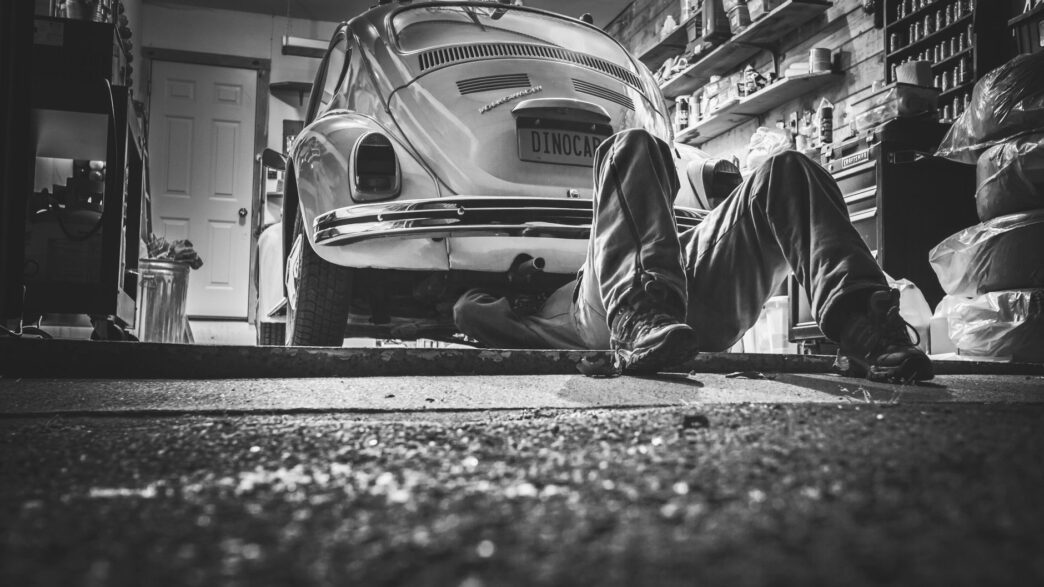
If you’ve taken your car in for anything lately, you already know the sticker shock is real. A repair that ran you a couple hundred dollars a few years ago somehow turns into a four-figure conversation at the service counter, and you walk out feeling like you got hit by a truck instead of just maintaining the one in your driveway. You’re not imagining it. According to the Bureau of Labor Statistics, vehicle repair and maintenance costs have climbed roughly 33% since 2021, and the average car repair bill has now reached about $838. The typical American spends somewhere in the neighborhood of $900 to $936 a year just keeping a car running.
Here’s the good news, though: a surprising amount of that spending is negotiable, avoidable, or both. You don’t have to choose between draining your savings and driving something that might strand you on the highway. With a little strategy, you can cut your car care costs meaningfully and still keep your vehicle safe and reliable. Let’s walk through how.
Why Everything Costs More at the Shop Now
Before we talk about saving, it helps to understand what’s actually driving the bills up, because that knowledge changes how you shop for service. Labor rates have jumped hard. By 2026, hourly shop rates run roughly $120 to $159 nationwide, with lower-cost states like Mississippi and Wyoming hovering in the low-to-mid $140s and pricier markets like California, Washington, and the Northeast pushing toward $145 to $160 an hour. On top of that, parts markups now make up an estimated 30% to 40% of a typical final bill.
Three big forces are behind this: general inflation in wages and parts, the fact that Americans are keeping their cars on the road longer than ever (older cars need more repairs), and the growing complexity of modern vehicles. A car packed with sensors, cameras, and computer modules simply costs more to diagnose and fix than the simpler machines of a couple decades ago. Knowing this tells you where your leverage is: labor and parts. Almost every saving strategy below comes back to controlling one or both.
Skip the Dealership for Routine Work
One of the fastest ways to lower your bills is to stop taking routine maintenance to the dealership once your car is out of warranty. Dealerships often charge premium labor rates and steer you toward manufacturer-branded parts that cost more than perfectly good equivalents. For oil changes, brake jobs, batteries, tire rotations, and most standard repairs, a reputable independent mechanic or a trusted local shop will frequently do the same work for noticeably less.
The key word is reputable. You want someone who’s been around, has solid reviews, and ideally holds ASE certification. Building a relationship with one good independent shop pays off over time, because a mechanic who knows your car and wants your repeat business is far less likely to pad the bill or upsell you on things you don’t need. If you’re still under a factory or extended warranty, check the terms first, since some require dealer service to keep coverage valid.
Get a Second Opinion and Always Ask for an Itemized Estimate
When a shop hands you a big repair quote, treat it as the opening of a conversation, not the final word. Ask for a written, itemized estimate that separates parts from labor. Once you can see the breakdown, you can ask smart questions: Is this part available aftermarket for less? Is this repair truly urgent, or can it wait a few weeks while I budget for it? Federal consumer protection guidance from the Federal Trade Commission encourages exactly this kind of transparency, and a trustworthy shop won’t flinch at the request.
For any repair over a few hundred dollars, getting a second estimate from another shop is well worth an hour of your time. It’s not unusual for quotes on the same job to vary by hundreds of dollars. You can also plug the repair into an online estimator from a site like Kelley Blue Book or RepairPal to get a realistic price range for your specific make, model, and region before you ever walk in. Showing up informed changes the whole dynamic of the conversation.
Buy Your Own Parts and Consider Quality Used or Aftermarket Options
Since parts can account for up to 40% of a bill, this is fertile ground for savings. Many independent shops will install parts you supply, though some charge a slightly higher labor rate or won’t warranty parts they didn’t sell. Ask upfront. For non-safety-critical components, quality aftermarket parts often cost a fraction of the dealer price and perform just as well. For pricier items on older vehicles, a part from a reputable salvage yard can save you a small fortune.
A word of caution: this is not the place to cut corners on anything tied to safety, like brakes, tires, steering, or suspension. There, you want quality parts and proper installation, full stop. Save your bargain hunting for the components where a generic option truly is equivalent.
The Cheapest Repair Is the One You Never Need
It sounds almost too obvious, but staying on top of routine maintenance is the single most powerful way to keep repair costs down. Skipping oil changes, ignoring that small coolant leak, or driving on worn tires doesn’t save money; it just delays and multiplies the cost. A neglected oil change can lead to an engine that needs thousands in repairs. A small brake issue ignored becomes rotors and calipers instead of just pads.
Pull out your owner’s manual and follow the manufacturer’s actual maintenance schedule rather than the more aggressive one some shops push (you often don’t need an oil change every 3,000 miles anymore). Learn to handle the truly simple stuff yourself, too. Replacing wiper blades, swapping a cabin air filter, topping off fluids, and checking tire pressure are all things most people can do in a driveway with a YouTube video and ten minutes, saving both parts markup and labor.
Build a Car Repair Sinking Fund So Bills Don’t Become Debt
Even with every smart move above, cars break. Tires wear out, batteries die, and timing belts reach the end of their lives. The difference between a stressful financial emergency and a minor annoyance is whether you saw it coming and set money aside. This is where a dedicated car repair fund earns its keep. If you quietly move $50 to $75 a month into a separate high-yield savings account earmarked for vehicle costs, you build a cushion that covers most repairs without reaching for a credit card at 24% interest.
Keeping that money in a separate account, ideally one earning a competitive yield, matters because it removes the temptation to spend it and lets your repair fund grow a little on its own while it waits. When the inevitable $700 brake job arrives, you pay it from money you’ve already set aside, sidestep interest charges entirely, and never touch your everyday checking account. That’s the quiet, unglamorous habit that turns car ownership from a source of dread into just another line in your budget.
Put these pieces together, and you’ve got a real plan: a trusted independent shop, the confidence to ask for itemized estimates and second opinions, smart choices on parts, religious attention to routine maintenance, and a sinking fund waiting in the wings. Car costs in 2026 are high, but they don’t have to run your finances. You just have to drive the spending instead of letting it drive you.