







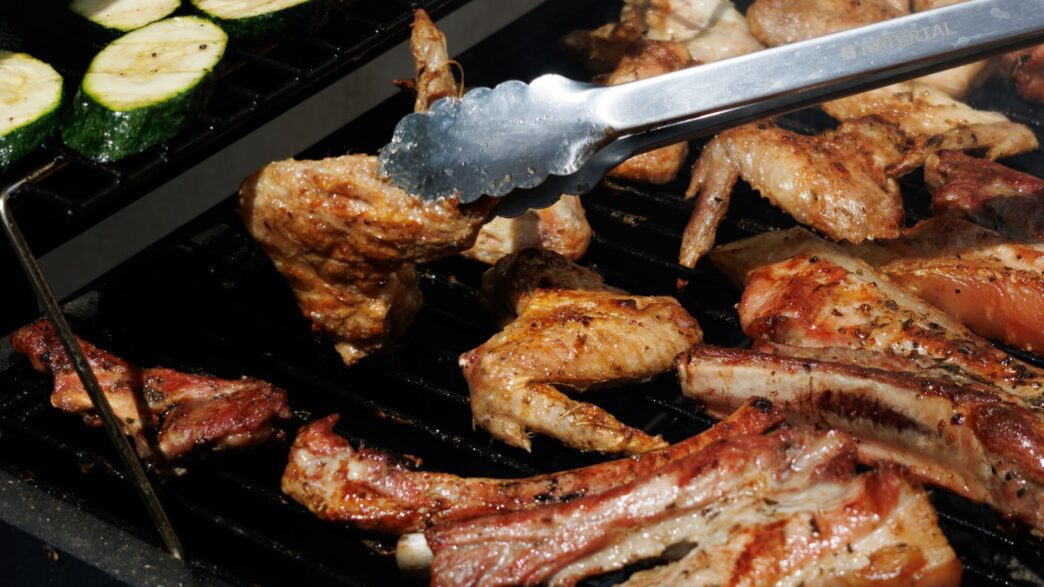
There’s a particular kind of dread that creeps in around late June, somewhere between buying the first bag of charcoal and realizing you said yes to hosting twenty people. The Fourth of July is supposed to be the easy holiday — burgers, a cooler, a folding table in the driveway — but the receipts have a way of sneaking up on you. A couple of grocery runs, a flat of soda, the “while I’m here” impulse buys, and suddenly your laid-back backyard hang costs more than a night out.
The good news is that the cookout is actually one of the most forgiving holidays for your wallet, because almost everything about it is negotiable. You control the menu, the headcount, the timing, and how much of the load you carry yourself. With a little planning, you can host a genuinely good party and keep the whole thing in the range of what most people spend without even trying. Here’s how to pull it off this year.
Start With a Real Number, Not a Vibe
Before you buy anything, decide what the cookout should cost. This sounds joyless, but it’s the single move that separates people who host happily from people who quietly resent the holiday afterward. The American Farm Bureau Federation runs a well-known annual survey on the cost of a classic cookout spread for ten people — burgers, chicken breasts, cheese, buns, chips, beans, potato salad, lemonade, and a couple of pies. In 2025 that basket came to about $70.92, or roughly $7.09 a person, and it had actually dipped slightly from the prior year’s record.
That figure is a useful anchor because it covers real food for real people. Grocery prices haven’t run away from us this year either — the government’s Consumer Price Index for May 2026 showed food-at-home prices up about 3.1% over the past twelve months, with food-at-home barely moving month to month and a few categories, like dairy and cheese, actually dropping. So if someone tells you a cookout has to cost a fortune in 2026, the data politely disagrees. Set yourself a target of seven to nine dollars per guest, write it at the top of your shopping list, and let that number quietly veto the impulse buys at the store.
Make It a Potluck Without Calling It One
The biggest lever you have is also the most obvious one that hosts hate to pull: you don’t have to feed everyone single-handedly. The instinct to provide every last item comes from a good place, but it’s expensive and exhausting, and most guests genuinely want to contribute. The trick is to assign rather than ask. “Can you bring a side?” gets you three bags of chips. “Could you bring your pasta salad and a bag of ice?” gets you exactly what the table needs and nothing it doesn’t.
Keep the things that benefit from a single cook — the grilling, usually — and farm out everything that travels well. Sides, desserts, drinks, ice, and paper goods are all easy handoffs. If you cover the proteins and the grill and split everything else among six or eight households, your personal outlay drops dramatically while the spread actually gets bigger and more interesting. Nobody leaves a potluck thinking the host was cheap. They leave thinking they got to show off their famous beans.
Shop the Holiday the Way Grocers Want You To — Selectively
Grocery stores and warehouse clubs lean hard into Independence Day, and that works in your favor if you stay disciplined. Ground beef, hot dogs, chicken, buns, and soda go on loss-leader pricing in the week or two before the Fourth precisely to get you in the door. Buy those items deep when they hit their low, especially anything freezer-friendly like patties and buns, and skip the surrounding displays of pricey marinades, novelty skewers, and themed paper plates that carry the real markup.
A warehouse club can be worth it for a big crowd, but run the math before you assume bulk is cheaper. Buying a 48-pack of buns when you need 20 isn’t a saving if the extra two dozen go stale. The smarter play is often to split a club run with the same friends coming to the party, or to lean on store brands, which is where the quiet money is. Switching from name-brand to store-brand on condiments, chips, soda, and paper goods routinely cuts those line items by a quarter to a third with no one at the table able to tell the difference. Consumer guidance from NerdWallet consistently points to generics and unit-price comparison as the lowest-effort grocery savings available, and a cookout is the perfect place to use them because everything’s slathered in ketchup anyway.
Build the Menu Around Cheap Crowd-Pleasers
What you cook matters as much as where you buy it. The cheapest cookout proteins per serving are almost always hot dogs, chicken thighs, and ground beef, and stretching those is easy. A pound of ground beef makes four burgers, but mixing it into a tray of baked beans, sloppy joes, or a big skillet of chili-topped nachos feeds far more people for the same money. Bone-in chicken thighs are a fraction of the price of breasts and more forgiving on the grill. Lean on filling, low-cost sides like pasta salad, watermelon, corn on the cob, and a giant bowl of chips, and you’ll find that people fill up long before they’ve worked through your most expensive items.
Drinks are where budgets quietly hemorrhage, so handle them on purpose. A couple of big drink dispensers of lemonade or iced tea made from scratch cost a few dollars and look far more festive than a recycling bin full of cans. If you want alcohol, ask guests to BYOB — it’s completely normal at a casual cookout and saves the host the single most expensive grocery category there is. And buy ice last, in bulk, the morning of, rather than letting bags melt in your freezer for a week.
Don’t Let the Extras Eat the Savings
The food is rarely what blows a cookout budget. It’s the periphery — the new cooler, the inflatable pool, the case of sparklers, the patriotic tablecloths you’ll use once. Decorations are the easiest place to spend nothing at all. A roll of red, white, and blue crepe paper from the dollar store, some mason jars, and whatever you already own will read as festive. Reuse last year’s stuff, borrow folding chairs and tables instead of buying, and check whether your town’s free fireworks display means you don’t need to buy your own at all. Public shows are spectacular, free, and don’t risk a trip to the emergency room.
If you do want to spend on one nice thing, spend it intentionally rather than letting twelve small impulse buys add up to the same amount with nothing memorable to show for it. One good cut of meat for the grill, or a real dessert, beats a cart full of forgettable extras every time.
The Quiet Win: Pay Yourself Back
Here’s the move that separates the people who feel good about hosting from the people who don’t. Whatever you budgeted and didn’t spend, move it. If you set aside $200, came in at $140, and the difference just sits in checking, it’ll evaporate into next week’s spending without a trace. Sweep that $60 into a separate savings account the day after the party — ideally a high-yield account where it actually earns something while it waits — and start a small “summer fun” or “next holiday” bucket. Do that after every gathering this season and you’ll have the Fourth of July, Labor Day, and the December holidays partly funded by your own restraint, instead of reaching for a credit card each time.
A great cookout was never about how much you spent. It’s about good food, people you like, and a host who isn’t secretly tallying the damage. Plan the number, share the load, shop the sales, and skip the stuff that doesn’t matter — and this Fourth of July you can flip burgers with the rare and excellent feeling of knowing you came in under budget.