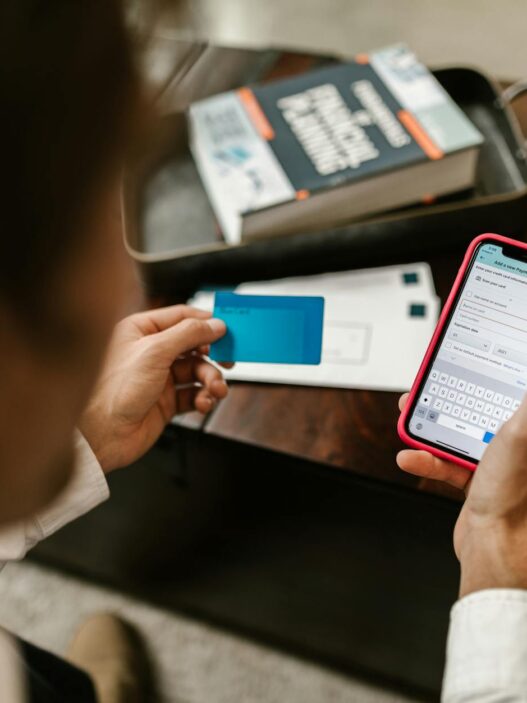








Your debit card is convenient. You can tap it, insert it, swipe it, and money comes straight out of your checking account. No credit card company, no waiting for a bill—just immediate, simple transactions. But convenience is actually costing you real money, and the difference between using a debit card and a credit card for most purchases is more significant than most people realize.
Let’s talk about why your debit card is the financial tool you’re using wrong, and what you should be doing instead.
The Fraud Protection Gap
Here’s the fundamental difference: when fraud happens on a credit card, the credit card company’s money is at risk, so they protect you aggressively. When fraud happens on a debit card, your bank account’s money is at risk, so you have to be the one protecting yourself.
Under federal law, if you report debit card fraud within two business days, you’re only liable for $50. That sounds reasonable until you realize what happens if you don’t notice the fraud quickly. If you report it after two business days but within 60 days, you could be liable for up to $500 of unauthorized transactions. After 60 days, you might be liable for the full amount.
Credit card fraud liability is capped at $50, but in practice, most credit card companies don’t even charge that. Report fraud to Visa, Mastercard, or your credit card issuer, and they typically eat the entire loss and refund you within days.
But here’s what matters even more: when someone uses your credit card fraudulently, your checking account is untouched. When someone uses your debit card fraudulently, someone is actively draining your actual money. You might discover unauthorized transactions in your account and have your bills bounce while the fraud investigation is happening. The credit card company is fighting to get their own money back, so they move fast. Your bank is investigating whether to reimburse you, which moves considerably slower.
No Purchase Protection
Credit cards offer purchase protection that debit cards simply don’t have. If you buy something with a credit card and it arrives damaged, the credit card company will help you get a refund. If a merchant charges you the wrong amount, the credit card company can dispute it. If you’re buying something and you never receive it, credit card companies have systems to handle that.
Debit cards have essentially no purchase protection. If you buy something online and it never arrives, you’re fighting with the merchant directly, and your money is already gone from your account. If you find out an item was damaged after the fact, you don’t have the credit card company as a buffer protecting you.
This matters particularly for larger purchases or when buying from merchants you’re less familiar with. Using a credit card essentially gives you insurance on the transaction. Using a debit card means you’re on your own.
The Rewards Problem
This one is purely mathematical. Credit cards offer rewards—cash back, points, miles, whatever form appeals to you. Debit cards offer… nothing. You’re getting 0% back on every purchase.
If you’re spending $20,000 per year on everyday purchases and using a credit card that offers even 1.5% cash back, you’re earning $300 per year in rewards. If you use a debit card, you earn $0. That’s not a small difference. Over ten years with inflation and spending growth, you’re talking about $3,000+ in rewards you just left on the table.
There are credit cards designed for regular everyday spending with no annual fee and rewards on common categories. Capital One and other major issuers offer options where you’re getting 2-5% back on categories like groceries, gas, or restaurants. That’s real money going into your pocket instead of the bank’s.
When Debit Actually Makes Sense
Let’s be honest—debit cards aren’t completely useless. There are specific situations where debit makes sense:
If you’re someone who absolutely cannot control your spending, and having money directly leave your checking account is the only way you stay disciplined, then debit might be your tool. It’s harsh but effective. You can’t spend money you don’t have, which makes it impossible to carry a credit card balance. (Though in this case, the real answer is working on budgeting discipline, not avoiding better payment methods.)
If you’re traveling internationally and you need to withdraw local currency from ATMs, a debit card is practical. International wire transfers are expensive; ATM withdrawals with a debit card are cheaper.
If you’re dealing with a merchant who doesn’t accept credit cards, debit is your only option.
But for normal everyday purchases—groceries, gas, restaurants, shopping, subscriptions, utilities—you should be using a credit card for the fraud protection, purchase protection, and rewards alone.
How to Actually Use This Strategy
The shift from debit to credit is simple in theory but requires one important mindset change. You have to use credit cards like debit cards—meaning you pay them off completely every month. You’re not borrowing money; you’re just using the credit card as a payment method.
Here’s the process: You make purchases on your credit card throughout the month. At the end of the month, you check your statement, verify the charges, and pay the balance in full from your checking account. You’re spending money that actually exists, just like with a debit card. The only differences are the fraud protection, purchase protection, and rewards you’re now getting.
The key is setting up automatic payments. Most credit card companies let you automatically pay your full balance every month. This removes the burden of remembering to pay and eliminates the risk of accidentally carrying a balance and paying interest.
For someone currently using debit cards, this actually becomes easier than managing debit because you get a grace period. You don’t have to pay immediately. You have a few weeks to get funds into your checking account to cover the bill. With a debit card, the money leaves immediately.
The Psychology of Credit Cards
Let’s address the concern most people have: won’t I spend more if I use a credit card?
The research is mixed. Some people do spend more with credit cards because it feels less “real” than physical cash. But conscientious people who budget carefully don’t spend more. They spend the same amount, but they get fraud protection, purchase protection, and rewards doing it.
The difference is awareness. If you’re someone who looks at your credit card statement every month and knows exactly where your money is going, you won’t overspend. If you’re someone who doesn’t pay attention to spending, you’ll overspend regardless of whether you’re using a debit card or credit card.
What About ATM Withdrawals?
One area where debit cards make sense is ATM withdrawals. You legitimately need cash sometimes. But even here, you can optimize: many credit card companies and banks offer ATM networks where you can withdraw cash for free. Check your bank’s ATM options before assuming you need your debit card for cash.
And when you do need to carry cash, take only what you need. This reduces the risk of losing cash (which has no fraud protection) and reduces the temptation to spend it impulsively.
The Bottom Line
Your debit card should be a backup payment method, not your primary one. For 95% of your everyday purchases, a credit card is genuinely superior: better fraud protection, purchase protection, rewards, and no real downsides if you’re paying it off monthly.
The only question is which credit card. Look for one with no annual fee and rewards in categories where you actually spend money—groceries, gas, restaurants, or straight cash back if you prefer simplicity. Then make the switch and let compound rewards start working for you.
That $300-500 per year in rewards you’re about to start earning? That’s money that could go straight into a high-yield savings account earning 4% APY. That’s the kind of financial momentum that builds real wealth over time. Your debit card was never going to get you there.
Sources
- Federal Trade Commission. “Debit Card Fraud.” https://www.consumer.ftc.gov
- Federal Reserve. “Electronic Funds Transfer Act.” https://www.federalreserve.gov
- Consumer Financial Protection Bureau. “Credit Card vs. Debit Card Protection.” https://www.consumerfinance.gov
- National Association of Consumer Advocates. “Payment Method Security Comparison.” 2026.
- Nilson Report. “Payment Card Security Study.” 2025.