







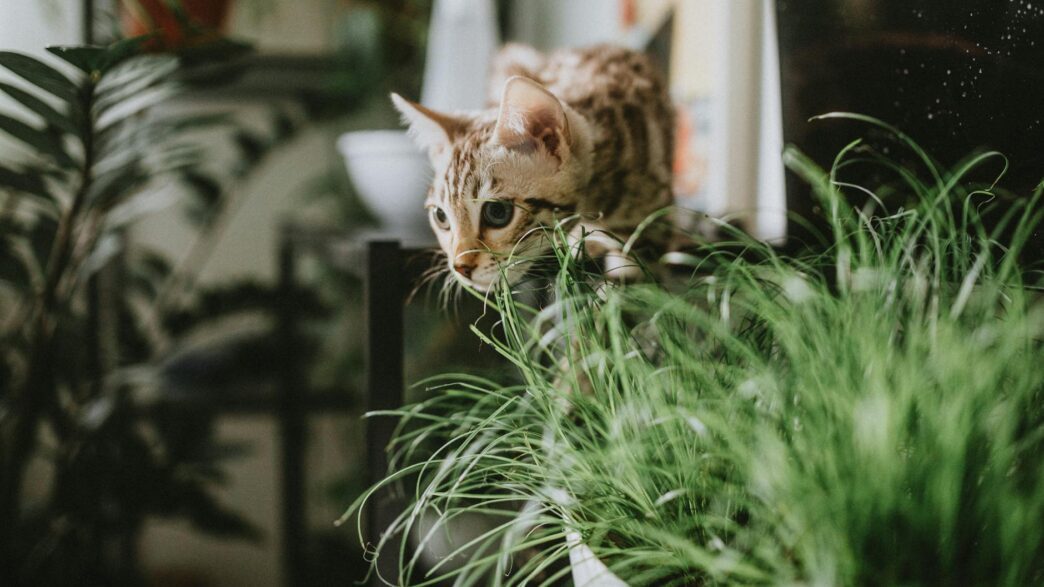
Houseplants are having a moment. Social media is filled with lush indoor jungles, and plant shops seem to be popping up on every corner. But if you share your home with a dog or cat, that trendy monstera or elegant lily arrangement might be hiding a real danger.
The ASPCA Poison Control Center receives over 200,000 calls per year related to potential pet poisonings, and houseplants are one of the most common categories. Many popular indoor plants contain compounds that can cause everything from mild mouth irritation to organ failure, depending on the species and how much your pet ingests.
The good news is that being informed doesn’t mean giving up indoor greenery entirely. You just need to know which plants to avoid and which safe alternatives can give you the same aesthetic without the risk.
The Most Dangerous Houseplants for Pets
Lilies
If you have cats, this is the most important plant to know about. True lilies — including Easter lilies, tiger lilies, stargazer lilies, Asiatic lilies, and daylilies — are extremely toxic to cats. Every part of the plant is dangerous: the petals, leaves, pollen, and even the water in the vase. Ingesting even a tiny amount can cause acute kidney failure within 24 to 72 hours, and without immediate treatment, it can be fatal.
Dogs are less sensitive to lilies, but they can still experience gastrointestinal upset. The safest approach for any household with cats is to keep all true lilies completely out of the home.
Sago Palm
Sago palms look beautiful and tropical, but they’re among the most toxic plants for dogs. All parts of the plant contain cycasin, a toxin that attacks the liver. The seeds (the orange nuts at the base of the plant) are the most concentrated source. Ingesting even one or two seeds can cause severe vomiting, bloody stool, liver failure, and death. According to the Merck Veterinary Manual, the survival rate for dogs with significant sago palm ingestion is roughly 50 percent even with treatment.
Pothos (Devil’s Ivy)
This is one of the most popular houseplants because it’s nearly impossible to kill and thrives in low light. Unfortunately, it contains calcium oxalate crystals that cause immediate pain and swelling in the mouth and throat when chewed. Symptoms include drooling, pawing at the mouth, difficulty swallowing, and vomiting. While pothos ingestion is rarely fatal, it’s painful and distressing for pets.
Dieffenbachia (Dumb Cane)
Similar to pothos, dieffenbachia contains calcium oxalate crystals. Chewing on the leaves causes intense oral irritation, excessive drooling, and swelling of the mouth and tongue. In severe cases, the swelling can interfere with breathing.
Philodendrons
Another hugely popular houseplant family, philodendrons contain the same calcium oxalate crystals as pothos and dieffenbachia. All varieties — heartleaf, split-leaf, and trailing — pose the same risk. Cats tend to be more susceptible to serious reactions than dogs.
Aloe Vera
Many people keep aloe vera for its medicinal properties, but the gel inside the leaves contains saponins and anthraquinones that can cause vomiting, diarrhea, lethargy, and tremors in pets. While small exposures are usually mild, larger ingestions warrant a call to the vet.
ZZ Plant (Zamioculcas)
Another trendy, low-maintenance plant that contains calcium oxalate. Chewing causes oral pain and gastrointestinal irritation. The ZZ plant’s waxy leaves are less appealing to pets than softer plants, but curious cats and puppies may still nibble.
Pet-Safe Alternatives That Look Great
You don’t have to sacrifice aesthetics for safety. Plenty of beautiful houseplants are non-toxic to dogs and cats:
Spider plants are practically indestructible and safe for pets. Boston ferns add lush greenery without any toxic risk. Prayer plants (Calathea and Maranta) have stunning patterned leaves and are completely pet-safe. African violets add a pop of color to any room. Peperomia varieties come in dozens of shapes and textures, all non-toxic. Cast iron plants are hardy, low-light tolerant, and safe for curious pets.
The ASPCA maintains a comprehensive, searchable database of toxic and non-toxic plants where you can check any plant before bringing it home.
Practical Prevention Tips
If you already have toxic plants and don’t want to part with them, strategic placement can minimize risk. High shelves, hanging planters, and rooms that your pets don’t access are all options. However, cats in particular can reach places you wouldn’t expect, so elevated placement isn’t foolproof.
Consider applying a pet-safe bitter spray to plant leaves as a deterrent. These sprays taste unpleasant without being harmful and can discourage nibbling.
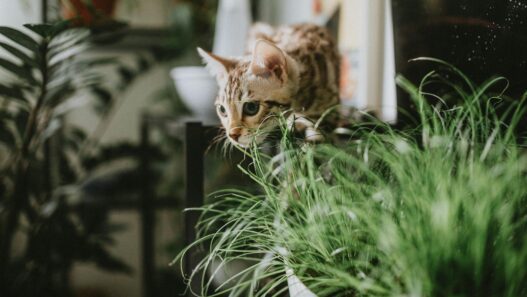
Provide pet-safe grass or catnip plants for your cat to chew on instead. Cats sometimes eat plants because they crave greens, and giving them a safe outlet reduces interest in your other plants.
Monitor your pets’ behavior around new plants. Some animals show zero interest in greenery, while others treat every leaf like a snack. Knowing your pet’s tendencies helps you assess how much precaution is necessary.
If Your Pet Eats a Toxic Plant
Remove any remaining plant material from your pet’s mouth if you can do so safely. Try to identify the plant and note how much was eaten. Call your vet, the ASPCA Poison Control Center at (888) 426-4435, or the Pet Poison Helpline at (855) 764-7661.
The cost of an emergency vet visit for plant toxicity can range from $200 for a mild case to several thousand dollars for severe poisoning requiring hospitalization. Pet insurance that covers illness and emergency visits can offset much of this expense.
Prevention is always cheaper than treatment. A $10 spider plant is just as satisfying to look at as a $10 lily — and it won’t cost you $2,000 at the emergency vet.