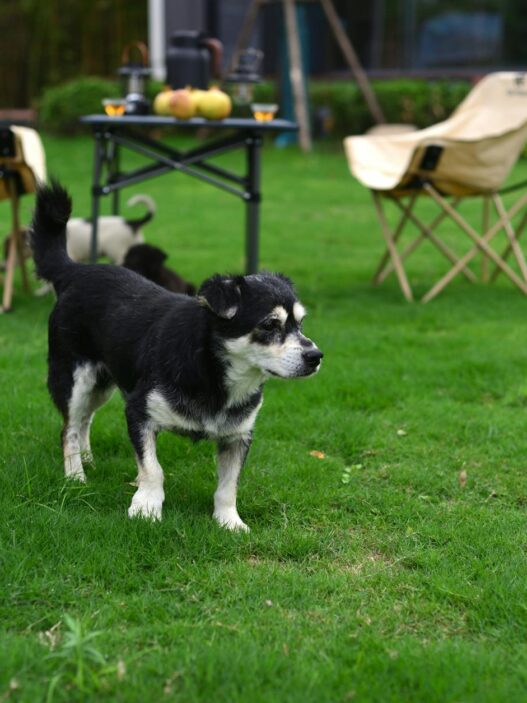










Your dog is talking to you all day long — just not with words. Every tail wag, ear twitch, yawn, and posture shift is communicating something specific. The problem is that most of us are only catching a fraction of what they’re saying, and sometimes we’re reading the signals completely wrong.
Understanding dog body language isn’t just interesting — it’s practical. It helps you spot health issues before they become expensive emergencies, recognize stress before it turns into behavioral problems, and build a stronger, more trusting relationship with your pet. When you can read your dog accurately, you respond better, and that saves time, money, and a lot of frustration.
The Tail: It’s Not Always What You Think
The biggest misconception about dogs is that a wagging tail means a happy dog. It doesn’t — at least not always. A wagging tail means the dog is emotionally aroused, but that arousal could be excitement, anxiety, frustration, or even aggression.
What matters is how the tail is wagging. A broad, loose wag with the tail at a neutral or slightly elevated position generally means happiness and friendliness. A stiff, rapid wag with the tail held high can signal alertness or potential aggression. A low, fast wag — especially with a tucked body — usually indicates insecurity or nervousness.
A tail tucked between the legs is almost always a sign of fear or submission. And a completely still tail, held rigid and high, is a warning sign that the dog is on high alert and may be about to react.
According to the American Kennel Club, the direction of the wag may even matter. Some research suggests that dogs wag more to the right when they’re feeling positive emotions and more to the left when they’re experiencing negative ones.
Eyes Tell the Full Story
Dogs communicate a lot through their eyes, and learning to read them can help you gauge how your dog is feeling in any situation.
Soft, relaxed eyes — where the eyelids are slightly drooped and the gaze is easy — indicate a calm, content dog. This is what you see when your dog is lounging at your feet or enjoying a belly rub.
Hard, intense staring is a very different signal. A direct, unblinking stare can be a sign of dominance or a precursor to aggression, especially if the dog’s body is also tense. This is particularly important to watch for when dogs are interacting with other dogs or with unfamiliar people.
“Whale eye” is a term veterinary behaviorists use to describe when a dog turns their head away from something but keeps their eyes fixed on it, showing the whites of their eyes in a crescent shape. This is a stress signal — the dog is uncomfortable with something in their environment and is trying to monitor it without directly confronting it.
Ears, Mouth, and Posture
A dog’s ears reveal a lot about their emotional state. Forward-facing or slightly perked ears usually mean the dog is alert and engaged. Ears pinned back against the head indicate fear, anxiety, or submission. Ears that keep shifting back and forth suggest the dog is trying to process something uncertain in their environment.
Mouth signals are easy to overlook but equally informative. A relaxed, slightly open mouth — what many people call a “doggy smile” — is a sign of contentment. Lip-licking in the absence of food is a classic stress signal. Yawning when the dog isn’t tired often indicates anxiety or discomfort. The ASPCA notes that excessive yawning is one of the most commonly missed stress signals in dogs.
Body posture ties everything together. A relaxed dog has their weight evenly distributed, with loose limbs and a gentle demeanor. A stressed or fearful dog often shifts their weight backward, lowers their body, or tries to make themselves appear smaller. A confident or potentially aggressive dog leans forward, stands tall, and may raise the hair along their back (called piloerection or “hackles”).
Stress Signals That Shouldn’t Be Ignored
Dogs have a whole vocabulary of stress signals that many owners don’t recognize. Beyond the lip-licking and yawning mentioned above, watch for:
Excessive panting when the dog hasn’t been exercising or isn’t hot. Sudden shedding in a stressful situation (like a vet visit). Refusing to eat — a dog who normally devours treats but won’t take one is likely overwhelmed. Avoidance behaviors like turning their head away, walking to the other side of the room, or trying to hide behind you.
Repetitive behaviors like pacing, circling, or obsessive licking can also indicate chronic stress or anxiety that needs attention.
When Body Language Signals a Health Problem
Sometimes what looks like a behavioral issue is actually a medical one. A dog who suddenly becomes aggressive when touched may be in pain. A dog who starts having accidents in the house may have a urinary tract infection. A dog who becomes clingy or withdrawn may be feeling unwell.
According to VCA Animal Hospitals, sudden changes in behavior — especially in dogs who are normally even-tempered — warrant a vet visit. Catching health issues early through behavioral cues can save you significant veterinary costs down the road, since early treatment is almost always cheaper and more effective than emergency care.
If you have pet insurance, diagnostic workups for behavioral changes are typically covered under illness provisions. This is one more reason why paying attention to your dog’s body language has real financial value — early detection means lower bills.
Building a Better Relationship
The more fluent you become in dog body language, the better you can meet your dog’s needs. You’ll know when they’re genuinely happy versus just tolerating a situation. You’ll catch stress before it escalates. You’ll understand what environments and interactions they enjoy and which ones they’d rather avoid.
This kind of understanding transforms the relationship from one where you’re guessing what your dog wants to one where you’re actually communicating. And that makes life better for both of you.