








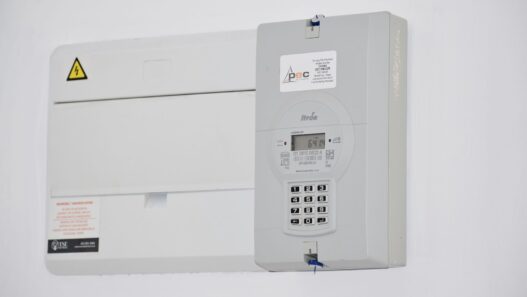
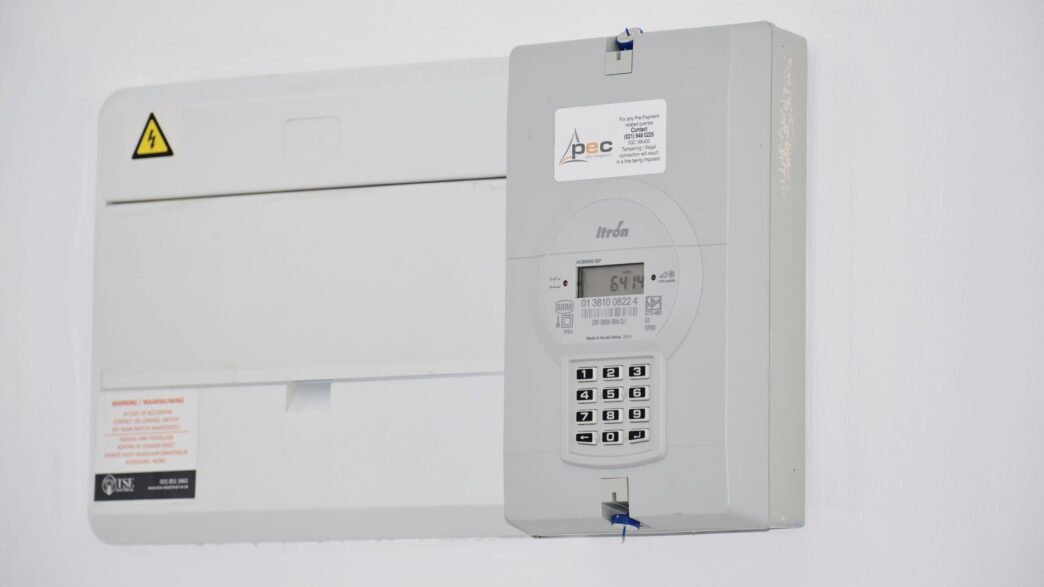
Most people treat the electric bill like weather. It arrives, it is whatever it is, and the only lever you have is turning the thermostat. That is true if you live in a regulated state. If you live in one of the 18 states (plus Washington, D.C.) with retail electricity choice, you have a second lever, and there is a decent chance you stopped pulling it a couple of years ago and never noticed.
The timing matters right now. The Energy Information Administration expects residential electricity to average about 18.02 cents per kilowatt hour in 2026, up from 17.29 cents in 2025. That is roughly a 4 percent bump on a bill that has already climbed for several years running. Winter bills from November through March are forecast to land near $1,130 for the average household, partly because natural gas is expected to average close to $3.90 per MMBtu this winter and gas sets the price of a lot of the electricity on the grid.
You cannot do anything about natural gas. You can do something about which company is selling you the electrons.
Check whether you can shop at all
Pull up last month’s bill and look for two separate line items: one labeled delivery (sometimes distribution) and one labeled supply (sometimes generation or energy charge). If both appear, you are in a market where you can choose your supplier. If there is one lumped charge for electricity, your state is regulated and this article is not for you. Go read the one about weatherizing before winter instead.
The delivery half never changes. Your local utility owns the poles and wires, they read the meter, they send a truck when a branch takes the line down, and the state regulates what they can charge for it. Switching suppliers does not change any of that. Same utility, same wires, same outage number. The only thing that changes is the per kilowatt hour rate on the supply line and the name printed next to it.
That is worth repeating because the fear of “what if the new company is bad” keeps a lot of people on a default rate. There is no new company showing up at your house. ElectricChoice maintains a state by state map if you want to confirm your state’s status before you spend any time on this.
The holdover rate is where the money goes
Here is the part that costs households real money without anyone making a bad decision.
When a fixed rate contract ends, the supplier does not cut you off. They roll you onto a default rate, sometimes called a holdover or month to month rate, and that rate floats. In Ohio, Pennsylvania, and Massachusetts, holdover rates commonly run 20 to 60 percent above what you could get on a competitive fixed plan. Nobody sends you a bill that says “you are now paying the penalty rate.” The supply line just quietly gets bigger, and it gets biggest in January when you are using the most power.
I have seen people sit on a holdover rate for three winters. The renewal notice came, it looked like junk mail, it went in the recycling, and the account defaulted. If your last memory of picking an electricity plan is fuzzy, you are probably on one.
The fix is a calendar reminder. Find your contract end date on the bill or in the welcome packet, then set a reminder for 45 days ahead. Shopping 30 to 60 days out gives you time to compare without the pressure of a rate that is already floating.
Read the quote the way the supplier hopes you will not
Retail electricity marketing has one reliable trick: advertise a headline rate that excludes some of the charges you will actually pay. A plan can post 9.2 cents per kilowatt hour and bill you 12 cents once capacity, transmission, and ancillary charges land on the statement.
Ask for the all in rate. That phrase is standard in the industry, and any supplier who will not give you a straight answer has told you something useful. Then check four other things before you sign.
The first is the term. A 12 month fixed rate is the easy default. Longer terms sometimes price lower, but you are betting on where wholesale power goes, and 2026 has not been a kind year for that bet.
The second is the cancellation fee. Anything above about $50 for a residential plan is worth arguing about or walking away from.
The third is the usage tier. Some Texas plans in particular price beautifully at exactly 1,000 or 2,000 kilowatt hours per month and terribly on either side of that number. Look at 12 months of your own usage first, because your house has a pattern and the plan should fit it.
The fourth is what happens at the end. Ask, in writing, what the rate becomes if you do nothing. That is the number that bites people.
The savings are boring, which is why they work
Run the arithmetic on a house that uses 1,000 kilowatt hours a month. Moving from a 15 cent holdover rate to an 11.5 cent fixed rate saves $35 a month, or $420 over a year. There is no lifestyle change attached to it. You did not stop running the dryer or sit in the dark. You spent twenty minutes on a comparison site and signed something.
For most households that beats a month of aggressive grocery couponing, and unlike couponing it keeps working while you forget about it.
A few states run their own comparison sites rather than leaving you to the marketers, and those are the ones to start with. Pennsylvania has PAPowerSwitch, Ohio has the Apples to Apples chart from the PUCO, Texas has Power to Choose, and Connecticut, Maryland, and Illinois all publish something similar. State run sites do not take commissions and they show the all in rate, which private lead generation sites often do not.
Where the savings should land
This is the part people skip. A $35 monthly reduction that stays in checking gets absorbed within a billing cycle, and by March you would swear nothing changed.
Move it. Set up an automatic transfer for the difference on the first of the month into a separate savings account, ideally one at a different bank so it is slightly annoying to raid. Right now the best high yield savings accounts are paying well above 4 percent while the FDIC national average for savings sits at 0.38 percent, so where you park it is not a trivial detail. Four hundred dollars a year from a supplier switch, sitting somewhere that actually pays interest, is the least dramatic way to build a small buffer I know of.
Some households use the same trick for the delivery side by enrolling in budget billing, which averages the year into twelve equal payments. That does not save money. It smooths cash flow, which is a different and sometimes equally useful thing.
Do it before October
Suppliers price ahead of demand. Fixed rate offers tend to look worse once the cold weather forecasts firm up, and the worst time to shop is the week your bill triples and you are angry about it. Late August and September are quiet months for retail electricity, which is exactly why they are the right ones.
Check your bill tonight. Find the supply line, find the contract end date, and set the reminder. If it turns out you are on a holdover rate, you just found the cheapest few hundred dollars you will save all year.