







Pet toys are one of those expenses that feel small in the moment but add up to a surprising amount over a year. A single rope toy costs $8. A Kong runs $12 to $15. An interactive puzzle feeder can set you back $20 or more. And if you have a dog who destroys toys in minutes flat, you know the frustration of spending money on something that barely lasts a day.
The pet toy market is projected to hit $5.4 billion globally by 2030, and companies are betting that pet owners will keep paying up. But here’s a secret that frugal pet owners have known for years: some of the best pet toys cost nothing at all. You can make engaging, safe, and durable toys from things you already have around the house.
Here are ten ideas that work, along with what makes them effective and how to keep them safe.
For Dogs
1. T-Shirt Braided Tug Toy
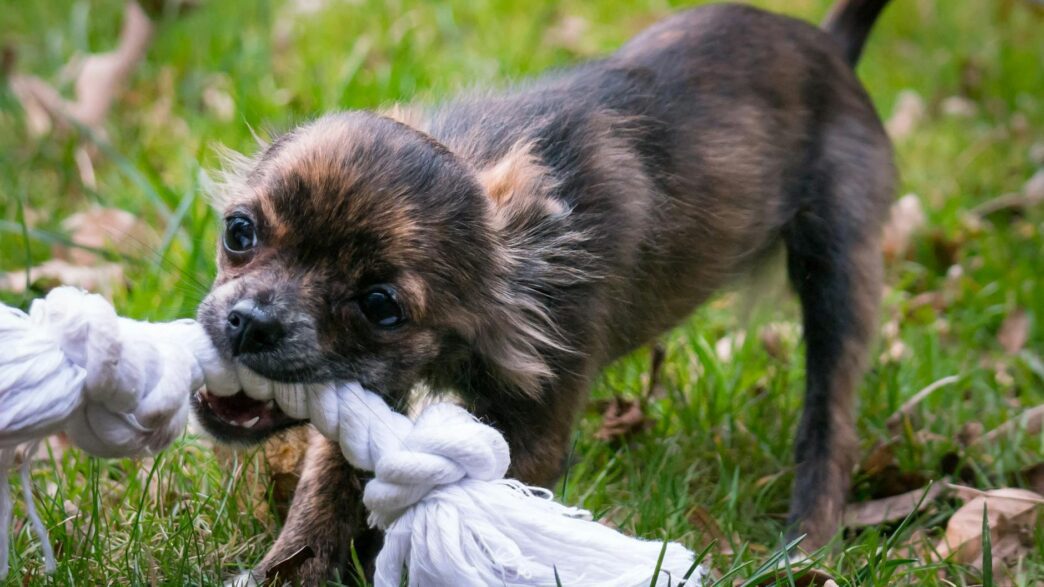
Cut an old t-shirt into three long strips, about two inches wide. Knot them together at one end, braid them tightly, and knot the other end. You’ve got a tug toy that’s surprisingly durable and completely free. Dogs love the texture, and the braided design holds up well to moderate chewers. Cost: $0.
2. Bottle Crunch Toy
Take an empty plastic water bottle, remove the cap and ring (choking hazards), and stuff it inside a sock. Tie the sock closed at the open end. The crinkling sound of the bottle drives most dogs wild, and when the bottle gets crushed, you just replace it with a new one. Cost: $0.
3. Muffin Tin Puzzle
Place small treats or pieces of kibble in the cups of a muffin tin, then cover each cup with a tennis ball. Your dog has to figure out how to remove the balls to get the food — it’s basically a free version of those $20 puzzle feeders. It provides great mental stimulation and slows down fast eaters. Cost: $0 (assuming you have tennis balls and a muffin tin).
4. Frozen Stuffed Kong Alternative
Take a clean, empty cardboard tube (paper towel roll works great), fold one end closed, fill it with peanut butter mixed with kibble, and fold the other end shut. Freeze it for a couple of hours. It provides the same kind of enrichment as a frozen Kong, and when your dog destroys the cardboard, you just recycle the scraps and make another one. Cost: $0.
5. Denim Knot Toy
If you have old jeans you’re getting rid of, cut the legs into strips and braid them into a thick, heavy-duty rope toy. Denim is tougher than cotton, making these last longer for heavy chewers. The thicker the braid, the more satisfying the chew. Cost: $0.
For Cats
6. Feather Wand Toy
Tie a piece of string or yarn (about two feet long) to the end of a wooden dowel, chopstick, or even a sturdy stick from your yard. Attach a few feathers from a craft store or an old feather duster to the end of the string. Wave it around and watch your cat go berserk. This mimics the interactive wand toys that sell for $8 to $12 at pet stores. Cost: under $1.
7. Cardboard Box Maze
Cats love boxes — this is universal and well-documented. Take two or three cardboard boxes of different sizes, cut holes in the sides large enough for your cat to climb through, and arrange them so your cat can move between boxes. Toss a few treats or a crinkly ball inside, and you’ve created a playground that will keep your cat entertained for hours. Cost: $0.
8. Sock Catnip Toy
Fill an old sock with a tablespoon or two of dried catnip (a jar costs about $3 and lasts for dozens of toys). Tie the sock in a knot. That’s it. Cats will kick, bite, and wrestle with these endlessly. When the catnip loses its potency after a few weeks, refresh it by opening the knot and adding more. Cost: about $0.10 per toy.
9. Paper Ball
Sometimes the simplest toys are the best. Crumple a piece of paper into a tight ball and toss it across the floor. Most cats find the light weight, the skittering movement, and the crinkly sound irresistible. You’ll go through a lot of paper balls, but since they’re free and endlessly replaceable, who cares? Cost: $0.
For Both
10. Ice Cube Treat Chase
Drop a small treat or a piece of kibble into an ice cube tray, fill with water or low-sodium broth, and freeze. Pop out the cubes and let your pet bat them around on a hard floor (works especially well for cats) or lick and chew them (great for dogs on hot days). The sliding, melting cubes provide stimulation and hydration at the same time. Cost: basically $0.
Safety First
DIY toys are great for your wallet, but safety should always come first. A few important guidelines from the ASPCA and AKC:
Always supervise your pet with homemade toys, especially the first time they use them. Remove any small parts that could become choking hazards — buttons, bottle caps, loose strings, or plastic rings. Replace toys as soon as they start falling apart. If your dog is an aggressive chewer, stick to the sturdier options like denim braids and skip anything with thin fabric or small pieces.
Avoid using rubber bands, staples, or glue in toy construction. And never leave string or yarn toys unattended with cats, as ingesting string can cause serious intestinal damage.
The Real Savings
If you typically spend $15 to $20 per month on pet toys, switching to DIY alternatives can save you $150 to $200 per year — money that’s better spent on quality food, routine vet care, or even tucked into savings. The irony is that many pets actually prefer these simple, homemade toys to expensive store-bought ones. There’s something about a crunchy bottle in a sock or a fresh paper ball that manufactured toys just can’t replicate.
Give a few of these a try this weekend. You might be surprised at which one becomes your pet’s new favorite.