







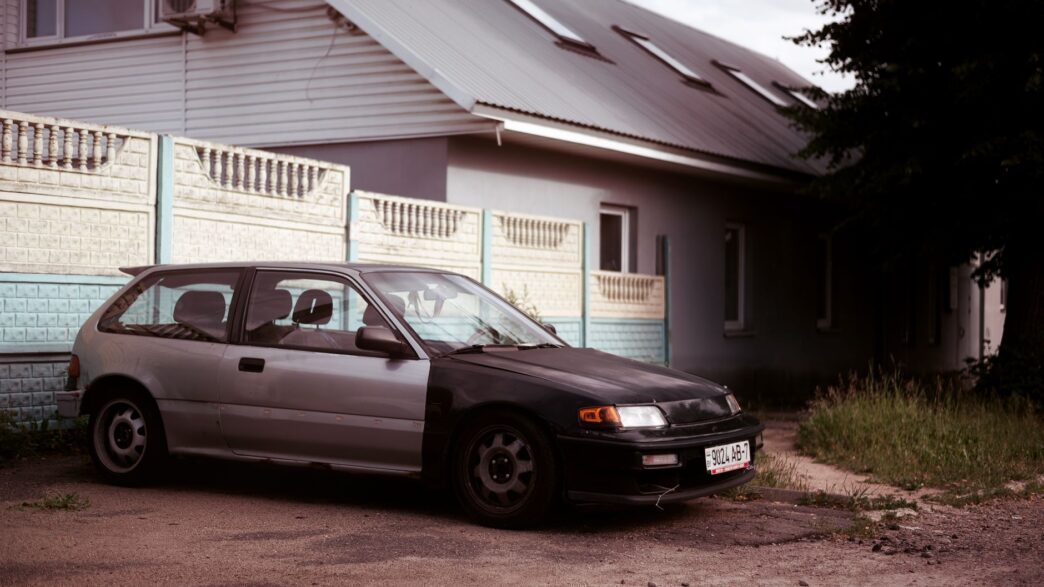
My neighbor sold her second car in March. It was a paid off sedan that sat in the driveway five days a week, and she kept telling herself she needed it for weekend errands and the occasional airport run. When she finally added up what that car cost her over twelve months, the surprise was not the size of the number. It was how little of it came from actually driving.
That is the part most households get wrong. A second vehicle does not cost what you think it costs, because the expensive parts do not show up as a single line item on a statement. They arrive as a June insurance renewal, a February registration, an October repair, and a slow bleed of resale value you never see until you try to sell.
The number behind a second car
AAA’s annual Your Driving Costs study puts the cost of owning and operating a new vehicle at $11,577 a year, or about $964.78 a month. That assumes 15,000 miles a year over a five year ownership period, and it covers fuel, maintenance and tires, insurance, registration and taxes, depreciation, and finance charges. The figure fell $719 from the previous study, which sounds like good news right up until you notice it still works out to close to a thousand dollars a month per vehicle.
Your second car probably costs less than that. It is usually older, often paid off, and driven a fraction of the miles. Depreciation slows down considerably once a car is past year five, and you burn less fuel when the thing mostly sits. Realistically you are looking at somewhere between $5,000 and $8,000 a year for a paid off second car in a two driver household.
Here is the catch. Most of that spending has nothing to do with how much you drive. Insurance is priced per vehicle, not per mile, unless you have specifically shopped a low mileage policy. Registration and inspection fees arrive on schedule. Tires age out and crack before they wear down. Batteries die on a four year clock whether or not you turn the key. A car that sits actually develops its own problems, including seized brake calipers, flat spotted tires, and rodents that find the wiring harness genuinely delicious.
The payment is the loud part of the bill
If the second car still carries a loan, the math gets worse fast. Experian’s first quarter 2026 data shows the average new car payment hit a record $770 a month, with used vehicle payments averaging $531. Average loan amounts came in at $43,925 for new and $27,070 for used, at rates of 6.39 percent and 11.43 percent respectively, according to figures reported by Bankrate.
A $531 used car payment on a vehicle you drive 4,000 miles a year works out to roughly $1.60 per mile in financing alone. Add insurance and everything else and you are into territory where a chauffeur would be cheaper. I am only half joking about that.
Run the audit before you list anything
Pull twelve months of bank and card statements and tag every dollar tied to the second vehicle. Loan payment, insurance premium (call your agent and ask what the policy would cost with that car removed, not what you assume the difference is), registration, inspection, fuel, oil changes, tires, repairs, parking, tolls, and any warranty or roadside plan attached to it. Add depreciation by checking a private party value estimate today against what the same year and trim sold for a year ago.
Then count the trips. Actual trips, not the imagined ones. Most households discover that the second car handles four to eight trips a week, and that half of those overlap with times the first car was parked anyway.
What actually replaces it
This is where people talk themselves out of the decision. They picture being stranded, and the picture wins.
Do the substitution math instead. Four rideshare trips a week at $18 each runs $3,744 a year. Renting a car for six weekends a year, at $75 a day for two days, adds about $900. Together that is under $4,700, and it covers a lot of the awkward gaps without owning a depreciating asset. A monthly transit pass in most metro areas costs less than a single car insurance payment. Car share services, where they exist, handle the two hour Costco run for less than the cost of the tires that trip is wearing out.
Some of those replacements will annoy you. Waiting fifteen minutes for a ride when you used to walk out to your own driveway is a real downgrade in convenience, and it is fair to price that annoyance into the decision. Just price it honestly against $6,000.
Call the insurer before you sell
One trap worth knowing about: dropping a vehicle usually costs you the multi car discount, which typically runs 10 to 25 percent depending on the carrier. Your remaining car’s premium can go up even as your total premium goes down. The total is almost always lower, but get the actual quote first so the renewal notice does not feel like a betrayal.
While you have the agent on the phone, ask about low mileage or usage based pricing on the car you are keeping. If your annual mileage is dropping because one car now does the work of two, that is worth checking. It sometimes cuts the wrong direction, since your remaining car will absorb more miles.
When keeping both is the right call
This does not work for everyone, and I would rather say that plainly than pretend otherwise. Opposite shift schedules, rural addresses with no rideshare coverage, jobs with unpredictable call outs, a household member with mobility limitations, or a teenager who needs to get to practice all argue for keeping two sets of keys. So does a commute where being late has consequences beyond embarrassment.
About 37 percent of American households own two vehicles and another 22 percent own three or more, so plenty of families have made the opposite call for reasons that hold up.
The question is not whether two cars are convenient. Of course they are. The question is whether that convenience is worth what it costs when you see the full figure written down.
Where the freed up money should go
If you sell, resist the urge to let the savings dissolve into ordinary spending, because that is exactly what happens by default. Set up an automatic transfer for the amount you were spending, on the day it used to leave your account.
Split it two ways. The first bucket is a repair fund for the car you kept, because one car households have no backup and a $1,400 transmission service becomes an emergency instead of an inconvenience. Two or three thousand dollars parked in a high yield savings account handles most of what a single vehicle will throw at you. The second bucket is whatever goal has been waiting, whether that is the emergency fund, a debt payoff, or the down payment on the next car you buy in cash.
Also worth a look while you are at it: your remaining vehicle’s coverage. Dropping to one car means that car matters more, so this is a reasonable moment to check whether your roadside assistance is real coverage or a credit card perk you never verified, and whether your deductible still fits your savings balance.
The sale itself is the small win. The recurring $500 a month you stop spending is the one that compounds.